
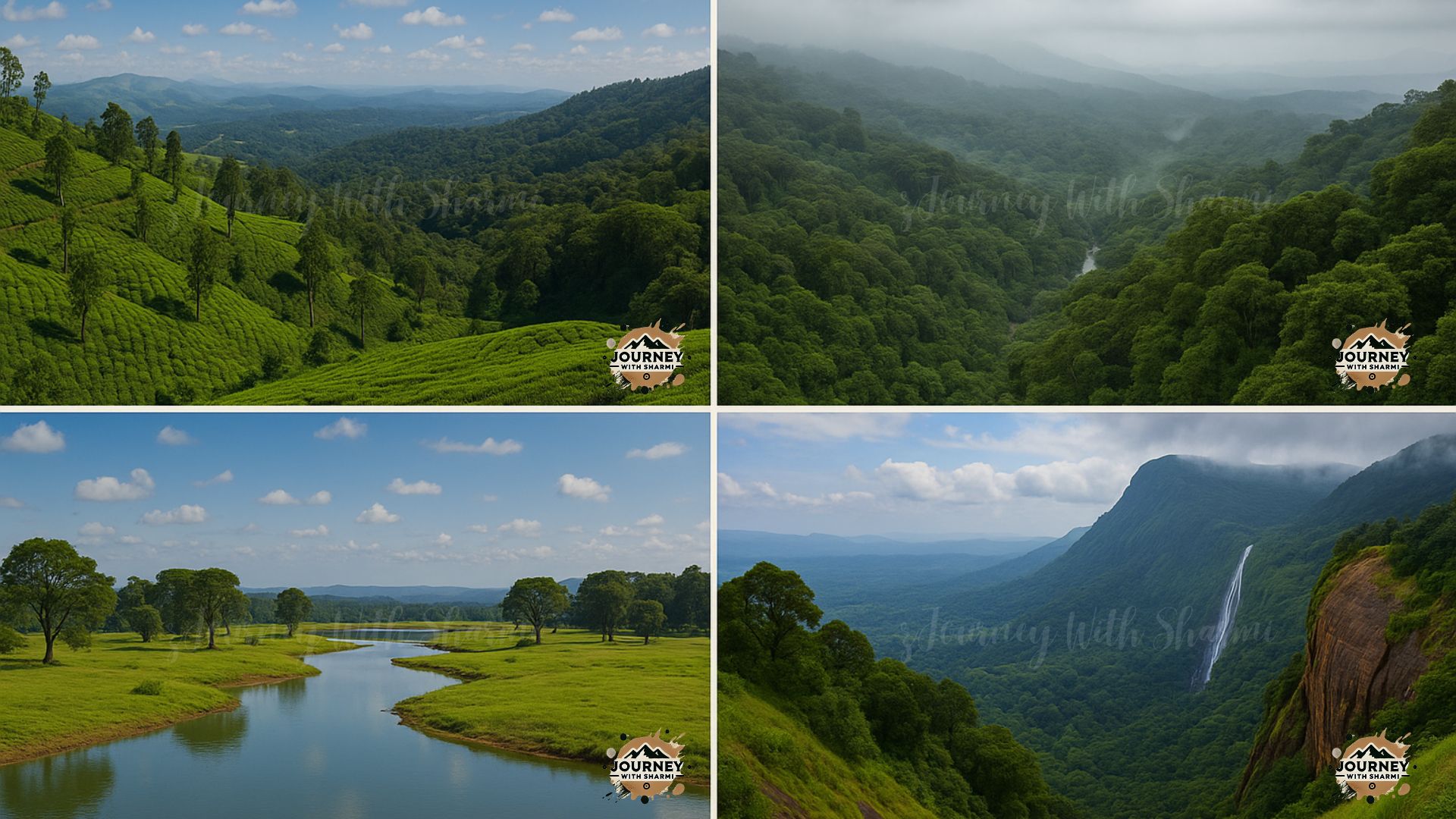
9 Eco Tourism Destinations in South India for a More Responsible Escape
Have you ever travelled to a place where the experience was about more than just visiting popular sights? Maybe it was a walk through a forest, a quiet stay surrounded by nature, a trek through the hills, or simply spending time away from busy city life. That is what makes eco tourism in South India so interesting. It is not simply about finding a green destination; rather it is more than that. Now, the question is HOW?
When you choose an eco tourism destination in South India, your experience can go beyond sightseeing. You can walk through rainforests with a local guide, explore a tea plantation, watch elephants from a responsible distance, stay at a locally run property, or trek through a protected landscape where visitor numbers are deliberately controlled.
With its rich biodiversity and varied landscapes, South India offers plenty of opportunities to experience nature while supporting responsible tourism and local communities.
Here, I’ve listed 9 eco tourism destinations in South India that combine biodiversity, responsible tourism, outdoor experiences and local participation. This guide will help you plan your visit while experiencing these fragile landscapes more thoughtfully.
1. Thenmala, Kerala
If you want to begin your eco tourism journey in South India somewhere specifically developed around the nature-based tourism idea, then Thenmala is a must-visit for you.
Located in Kollam district, around 20 km from Punalur, Thenmala is the first planned eco tourism destination in India and its name is associated with honey, and the forested surroundings, reservoir and hill landscape. Here, you can slow down and explore the destination through different nature-based experiences, instead of spending your entire day from one sightseeing to another.
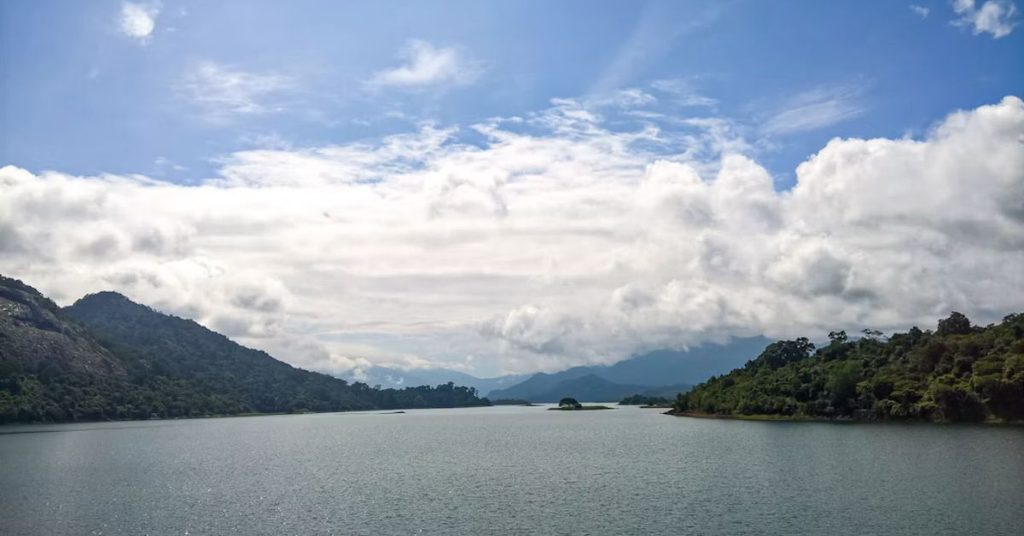
You can enjoy crossing the suspension bridge, boating on the Thenmala Dam reservoir, walk through forested surroundings and choose guided trekking experiences. The official Thenmala eco tourism programme also offers soft trekking routes through the outskirts of the Shendurney Wildlife Sanctuary, including a 4-km guided route through a Myristica swamp forest patch.
Thenmala in Kerala also has attractions such as the Musical Dancing Fountain, creating an unusual combination of recreation and nature.
Why Thenmala Is An Eco Tourism Destination
The idea behind Thenmala is to integrate tourism with the surrounding natural landscape rather than relying entirely on large-scale construction. Nature-based activities, local participation and facilities designed around the landscape form an important part of the destination’s tourism model.
- Location: Google Map
- Best time to visit: October to May is the perfect time for nature walks and outdoor activities with temperature ranging between 20°C to 32°C. However, the monsoon months bring lush greenery here but can affect trekking and other outdoor activities.
- Entry fee: There is no single ticket covering all attractions. Fees vary by attraction and visitor category, with separate tariffs for adults, children, excursions and international travellers.
- Timings: The main leisure zone generally operates from 9:00 AM to 5:00 PM. Activity-specific timings can differ, so before booking you must check official timings on the website.
- Safari options: Thenmala is not primarily a wildlife-safari destination. Instead, you can choose boating, guided nature walks, 4-km soft trekking, adventure activities and nature-based programmes.
- Nearest Main Airport: Thiruvananthapuram International Airport (TRV), approximately 72–75 km away.
- Nearest Main Railway Station: Kollam Junction, approximately 66 km away. Thenmala also has a local railway station, Tenmalai Railway Station, about 1 km from the destination.
Travel Tip: For the best experience, you can combine the Leisure, Butterfly Park, Parappar Dam, boating, nature trails and Adventure Zone rather than visiting only one attraction. Also, during peak season, advance booking is advisable.
DID YOU KNOW? Thenmala is included among Kerala’s recognised eco tourism centres, and the Kerala Forest Department’s statistics list Thenmala among the state’s major eco tourism centres.
2. Periyar Wildlife Sanctuary, Kerala
If wildlife and forest experiences are your priority, Periyar Wildlife Sanctuary in Thekkady gives you a very different form of eco tourism. It is a protected landscape around Periyar Lake that allows you to experience the forest from water and land.
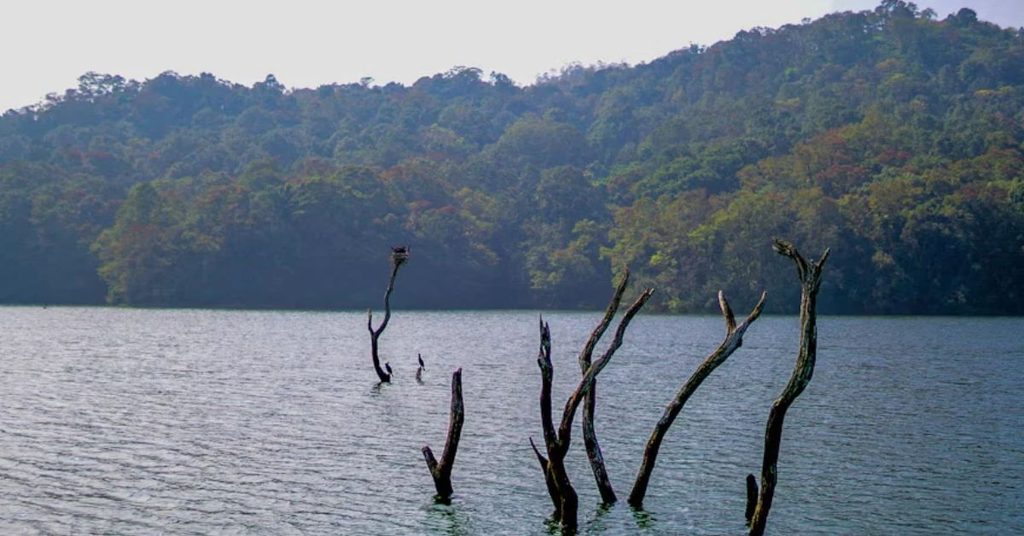
Here, you can enjoy the boat ride across the reservoir and watch the forest edges for elephants, gaur, deer, birds and tiger, if you’re lucky as wildlife sightings are unpredictable.
For a deeper experience, you can choose activities such as nature walks and other guided programmes led by trained personnel and local community members.
Periyar’s approach to tourism is closely linked with conservation and community participation. Instead of treating the forest simply as a backdrop for sightseeing, activities such as Bamboo Rafting, Border Hiking, Tiger Trail and Nature Walks allow visitors to explore its ecology while supporting the livelihoods and participation of local forest-dependent communities
The reserve’s official booking information also stresses the importance of using its authorised booking system and following programme-specific reporting and check-in requirements.
Why Periyar Is Ideal For Responsible Wildlife Tourism
In Periyar, you learn an important lesson about wildlife travel: the forest decides what you see. You may spot elephants, gaur or colourful birds, while another visitor may experience something entirely different. This unpredictability is part of responsible wildlife tourism.
- Location: Google Map
- Best time to visit: You can visit Periyar throughout the year, but October to February is generally comfortable for exploring the reserve, with temperatures around 13°C to 28°C.
- Entry fee: There is no single charge, depending on the activity you choose with park/bus charges additional. So, always check their official website if there are any changes in the recent tariffs.
- Timings: The reserve operates several programmes at different times. Periyar Lake boating has departures at 7:30 AM, 9:30 AM, 11:15 AM, 1:45 PM and 3:30 PM.
- Safari options: You can choose from Periyar Lake boating, nature walks, bamboo rafting, trekking, border hiking, jungle scout programmes, Gavi safari and other guided forest experiences.
- Nearest Main Airport: Cochin International Airport is the major airport generally used to reach Thekkady; Madurai Airport is another practical option depending on your route.
- Nearest Main Railway Station: Kottayam Railway Station is one of the principal rail gateways for Thekkady, with onward road travel required.
Visitor information: If you book boating, you need to park your vehicle at Anavachal Parking Area and travel approximately 4 Km by Periyar Tiger Reserve’s buses to reach the boat landing area. Also, don’t forget to carry the ID used for the booking.
DID YOU KNOW? Periyar’s tourism programmes include nature-based activities rather than relying only on conventional vehicle safaris. The reserve also works with local communities through conservation-linked tourism initiatives.
3. Silent Valley National Park, Kerala
The Silent Valley is one of the must visit places in Kerala if you want to understand what low-impact eco tourism really looks like. Located in the Nilgiri Hills of Kerala, Silent Valley protects an exceptionally important tropical rainforest ecosystem.
Your experience here is quite different from that of a conventional tourist destination in South India. Rather than commercial resorts, loud entertainment or unrestricted forest access, Silent Valley focuses on controlled entry and guided experiences that let you explore the landscape while keeping disturbance to the wildlife and environment to a minimum.
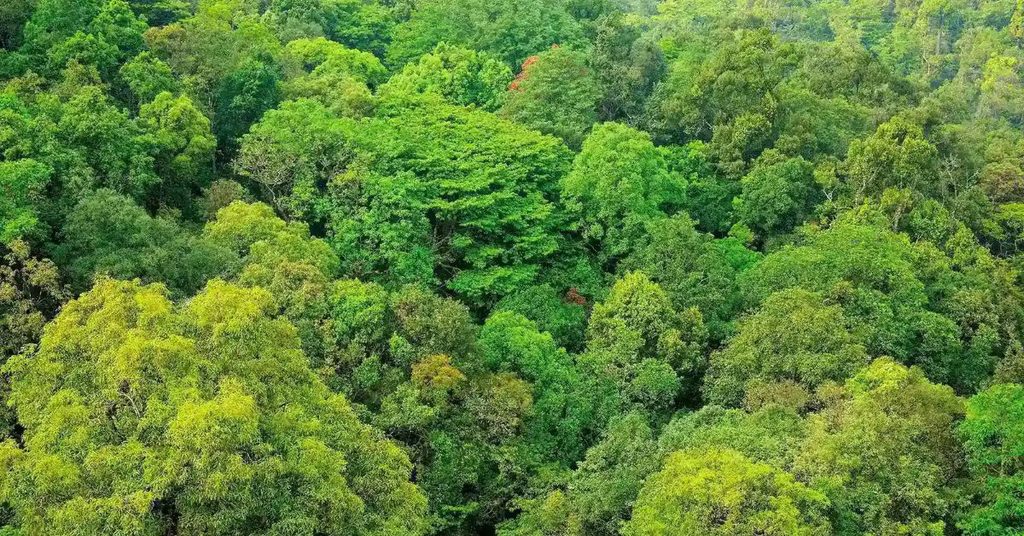
As you move through the forest, you are more likely to hear birds, insects, flowing water and wildlife calls than the sounds of traffic or commercial tourism. The Kunthi River adds to the landscape, while species such as the lion-tailed macaque highlight the ecological importance of these forests.
Why Silent Valley Is Special For Eco Tourism
The Silent Valley shows why controlled access can be an important part of conservation. Rather than opening the forest completely to visitors, tourism is managed in a way that keeps the protection of the ecosystem at its core. Periyar also has a long history of community participation through Eco Development Committees, while tribal communities live in settlements around the protected area.
- Location: Google Map
- Best time to visit: With temperatures ranging from around 12°C to 31°C, November to February is generally comfortable for exploring the forest. The monsoon period creates exceptionally lush conditions but can bring difficult weather and trail conditions.
- Entry fee: Kerala Forest Department considers the entry fee for Silent Valley, so always confirm the current tariff before travelling because protected-area charges can change.
- Timings: The park routinely opens from 8:00 AM to 1:00 PM. Entry permission is obtained through the park headquarters or the Range Office at Mukkali.
- Safari options: Silent Valley does not operate as a conventional jeep-safari destination. The main experience is a regulated forest visit with guided nature interpretation and trekking.
- Nearest Main Airport: Coimbatore International Airport; around 55 km from Mukkali.
- Nearest Main Railway Station: Palakkad Junction; approximately 60 km from Mukkali. Coimbatore Junction is another practical rail option at around 45 km from Mukkali.
Visitor information: Mukkali is the main logistical base and entry point for visitors. The core forest begins around 23 km beyond Mukkali, so you need to allow sufficient time for the complete journey.
Travel Tip: Don’t plan Silent Valley as a rushed sightseeing stop. Most importantly, check the latest entry conditions before travelling because access and activity schedules can change.
4. Munnar, Kerala
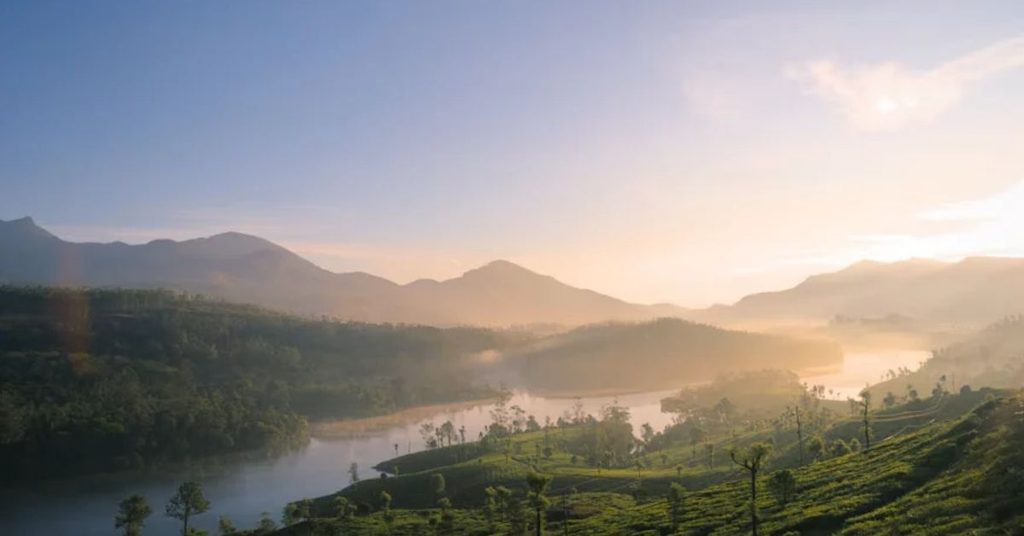
Munnar may be one of the most famous hill stations in South India, but its appeal goes well beyond tea gardens and viewpoints. Situated in Kerala’s Idukki district, Munnar sits amid high-altitude landscapes of tea plantations, shola forests, grasslands, streams and wildlife habitats.
If you’re in Munnar and want to explore this place responsibly, you can combine plantation experiences with nature and wildlife. You can walk through Munnar’s sprawling tea estates, including Lockhart, Kundala and Sevenmallay, learn how tea is cultivated and processed, and explore protected natural areas such as Eravikulam National Park, around 15 km from Munnar.
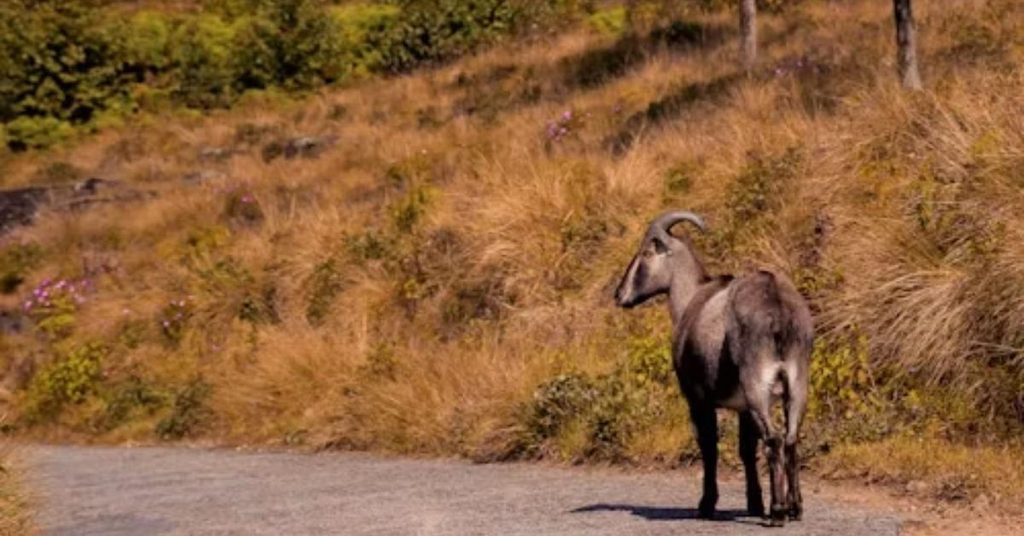
Eravikulam is particularly important because it protects the endangered Nilgiri tahr along with a variety of birds, butterflies and other wildlife. Kerala Tourism also highlights the park’s shola forests, grasslands and rare species.
What Can You Experience In Munnar?
In Munnar, you can:
- Walk through tea plantations.
- Visit Eravikulam National Park.
- Look for the Nilgiri tahr.
- Explore highland landscapes and shola forests.
- Visit tea museums and learn about the history of tea production.
- Explore destinations such as Mattupetty, Kundala and Top Station.
- Choose guided trekking and plantation experiences.
Travel Tip: If you are visiting Eravikulam National Park, check the current opening status before travelling because protected areas can close or restrict access for conservation and wildlife-management reasons.
- Location: Google Map
- Best time to visit: September to May is the best time suitable for sightseeing and outdoor activities with temperature ranging typically around 10°C to 25°C . If your focus is greenery and waterfalls, the monsoon months offer a different experience, although heavy rain can affect outdoor plans.
- Entry fee: Munnar itself has no general entry fee because it is a hill station rather than a single attraction. Individual places such as Eravikulam National Park, tea museums, viewpoints and boating facilities have their own charges.
- Timings: Munnar is a destination rather than one enclosed attraction, so there is no single overall opening time. Individual parks and attractions have separate timings.
- Safari options: Munnar is not primarily a safari destination. Your nature experiences include guided walks, trekking, wildlife visits and excursions to places such as Eravikulam National Park.
- Nearest Main Airport: Cochin International Airport, around 108–119 km from Munnar
- Nearest Main Railway Station: Aluva Railway Station, approximately 108–120 km away; Ernakulam/Angamaly are also used as rail gateways.
Visitor information: Munnar sits at roughly 1,500–2,500 metres above sea level, and weather can change quickly. So, don’t forget to carry light layers such as a full-sleeved top, light jacket or fleece. If you are visiting during the monsoon, pack a lightweight waterproof jacket or poncho and quick-drying clothes and walking shoes with good grip.
5. Agumbe, Karnataka
If heavy rain, rainforest trails and wildlife interest you, Agumbe in Karnataka is the perfect escape for you. It offers one of the most atmospheric eco tourism experiences in South India.
Located in the Western Ghats of Shivamogga district, Agumbe is popularly known as the “Cherrapunji of the South” because of its exceptionally high rainfall.
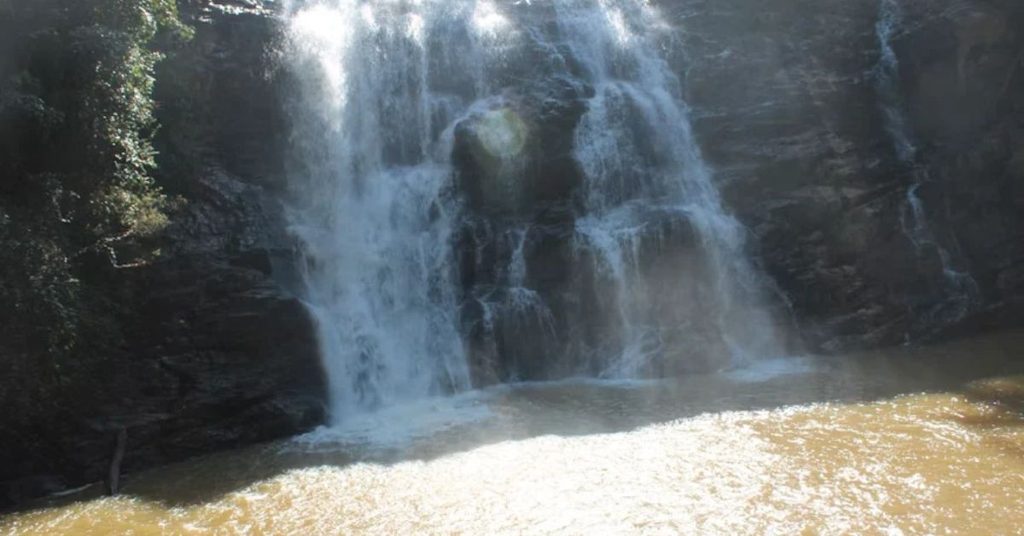
During the monsoon, the forest becomes intensely green, and you can experience the moss-covered trails, streams, waterfalls and mist. You can trek towards Onake Abbi Falls, visit rainforest research facilities and explore the region with experienced local guides.
Agumbe is particularly associated with the King Cobra. The Agumbe Rainforest Research Station has played an important role in research and conservation work involving this species. Karnataka Tourism also identifies the region as habitat for King Cobras and other rare species.
Why Agumbe Works For Eco Tourism
Agumbe gives you an opportunity to connect tourism with environmental education. Rather than looking for a heavily commercialised tourist circuit, you can choose local homestays, eat locally prepared food and use knowledgeable nature guides who can explain the rainforest ecosystem.
- Location: Google Map
- Best time to visit: June to September if you want Agumbe at its wettest and greenest, with temperatures generally around 20°C to 25°C. October to February is more suitable for relatively comfortable trekking and sightseeing, with temperatures typically ranging from 15°C to 28°C.
- Entry fee: No general entry fee applies to Agumbe village. Individual attractions, guided treks and research-centre visits may have separate charges.
- Timings: Agumbe itself has no single tourist-site opening time. Waterfalls, viewpoints, forest areas and guided experiences have different access conditions.
- Safari options: Agumbe is not a conventional jeep-safari destination. The main experiences are rainforest walks, guided treks, waterfall visits, birdwatching and nature interpretation.
- Nearest Main Airport: Mangaluru International Airport, approximately 100 km from Agumbe.
- Nearest Main Railway Station: Mangaluru Central Railway Station, around 1110-120 km away, and Shivamogga around 95 km away.
Visitor information: Agumbe receives exceptionally heavy rainfall. During the monsoon, trails can become slippery and leeches are common. If you are unfamiliar with rainforest trekking, use a local guide and check trail conditions before starting.
6. Kabini Wildlife Sanctuary, Karnataka
For wildlife lovers, Kabini offers an eco tourism experience centred around the forests and backwaters of the Nagarhole landscape.
Kabini is associated with one of Asia’s remarkable elephant habitats . During the dry season, particularly from February to May, elephants may gather around the Kabini backwaters and riverbanks, where remaining water sources and available vegetation attract wildlife.
When you visit, you can choose between jeep safaris and boat safaris, depending on the current operating arrangements. A jeep safari takes you into the forest, while a boat safari lets you experience the Kabini backwaters and watch for animals coming towards the water.
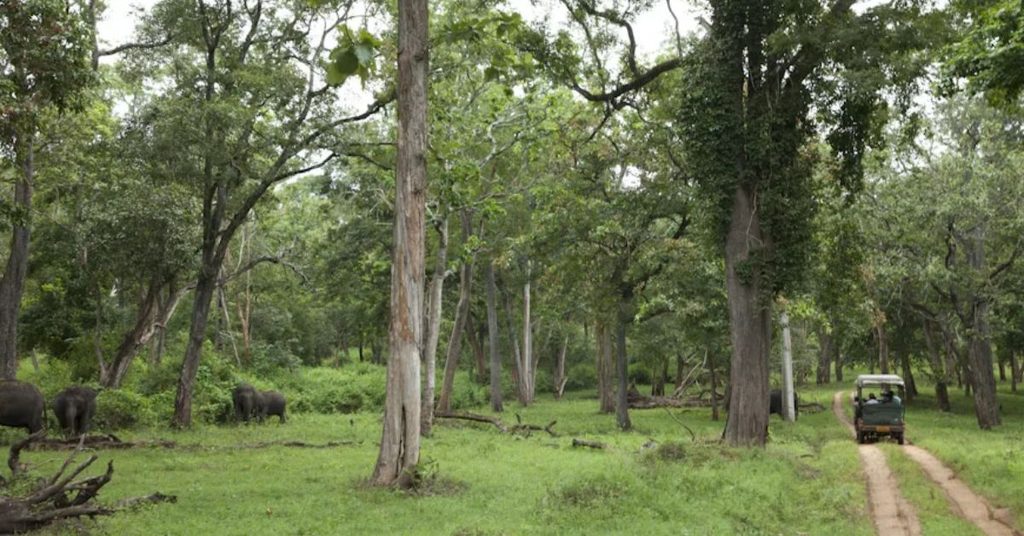
Karnataka Tourism describes Nagarhole as an important tiger-reserve landscape, home to elephants, big cats, birds and diverse wildlife. The Kabini region forms part of this larger wildlife landscape and is particularly known for its forest, river and reservoir habitats.
What makes Kabini an eco tourism destination?
Kabini offers a more responsible way to experience wildlife, with regulated access, designated safari routes and guided experiences that help minimise disturbance to sensitive forest habitats. Accompanying naturalists can also explain the ecosystem, animal behaviour and conservation challenges, allowing you to understand the forest rather than simply ticking species off a checklist.
- Location: Google Map
- Best time to visit: October to February offers cooler weather, with temperatures generally around 15°C to 30°C, and good conditions for wildlife viewing. March to May is hotter, with temperatures often reaching 35°C to 38°C, but the drier forest can make wildlife easier to spot around water sources.
- Entry fee: Entry and safari charges at Nagarahole Tiger Reserve can vary depending on the type of visit and safari option. Check the official Nagarahole Tiger Reserve website for the latest fees before travelling.
- Timings: Safari and visitor timings can change according to the season, forest regulations and operational conditions.
- Safari options: You can choose between jeep safari and boat safari. Boat safaris operate around the Kabini backwaters, while jeep safaris take you into the Nagarhole forest.
- Nearest Main Airport: Mysuru Airport, approximately 94 km away.
- Nearest Major Railway Station: Mysuru Junction, approximately 89 km from Nagarhole
Visitor information: Safari slots are limited, and advance booking is recommended. Don’t expect a guaranteed tiger, leopard or black-panther sighting; wildlife movements are unpredictable. Also, during the safari, avoid loud conversations, never feed wildlife and don’t ask your driver to chase an animal for a photograph.
DID YOU KNOW? Kabini was once associated with the hunting grounds of the Mysore Maharajas, but today the surrounding protected forests form part of an important conservation landscape.
7. Kudremukh National Park, Karnataka
If your idea of eco tourism involves trekking through mountains rather than watching wildlife from a vehicle, Kudremukh should be high on your South India travel list.
Located in Chikkamagaluru district, Kudremukh is known for rolling grasslands, shola forests, mist-covered ridges, streams and dramatic mountain scenery.
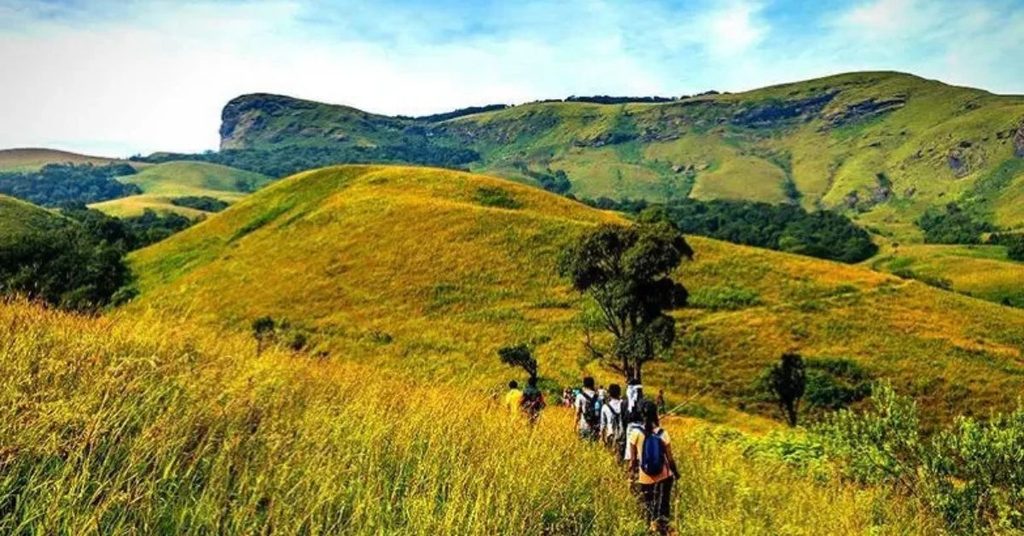
The Kudremukh Peak trek is the major attraction. The route is approximately 9 km one way and takes you through changing landscapes rather than following a simple uphill trail.
You cross streams, walk through grasslands and forested sections, negotiate muddy stretches during wet weather and gradually climb towards the distinctive peak whose shape resembles a horse’s face.
Why Kudremukh Is An Eco Tourism Destination
Kudremukh’s protected status means you cannot treat the mountain like an unrestricted trekking ground. Permits, designated routes, regulated access and local guiding help reduce pressure on the ecosystem. Night stays inside the protected trekking area are not permitted, making it important to plan your trek according to the permitted schedule.
- Location: Google Map
- Best time to visit: October to March is recommended for trekking and birdwatching, with temperatures generally ranging from 15°C to 30°C.
- Entry fee: Entry, trekking and guide charges at Kudremukh National Park can vary depending on the route and applicable permits.
- Timings: here are no fixed safari timings for Kudremukh National Park. Trekking and visitor access depend on the designated trail, Forest Department permissions, weather and current conservation or safety regulations.
- Safari options: A wildlife safari is available, although trekking is the experience for which Kudremukh is particularly known.
- Nearest Main Airport: Mangaluru International Airport, approximately 95 km away.
- Nearest Main Railway Station: Mangaluru Junction, approximately 100 km away; Kadur Railway Station is another option at around 110 km.
Visitor information: You need official permission for trekking, and Karnataka Tourism directs visitors to the Aranyavihara Portal for permits. Camping is not permitted inside the national park, and prior reservations are compulsory for trekking and safari.
DID YOU KNOW: The name Kudremukh literally refers to a “horse face”, describing the distinctive shape of the mountain profile.
8. Vattakanal, Tamil Nadu
If you want your eco tourism experience to be slower and quieter, head towards Vattakanal near Kodaikanal.
Often called “Vatta” by backpackers, Vattakanal developed a reputation as a laid-back mountain retreat attracting backpackers, yoga practitioners, artists and long-stay travellers.
The landscape is less polished than a conventional resort destination. You can stay in simple accommodation, walk through the hills, explore nearby trails and enjoy views over the surrounding valleys.
One of the popular experiences is trekking towards Dolphin’s Nose, where the landscape opens up dramatically over the hills.
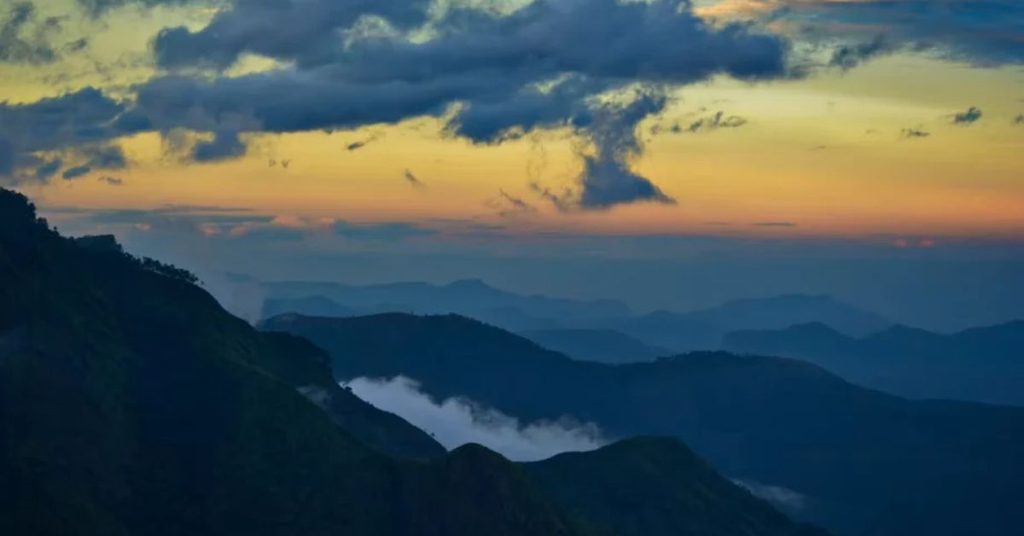
The appeal of Vattakanal lies partly in its slower rhythm. You are not necessarily coming here for a packed sightseeing schedule. Instead, you can spend your time walking, eating locally prepared food, practising yoga or simply enjoying the mountain environment.
What Makes Vattakanal Relevant To Eco Tourism
Small-scale accommodation, solar-powered facilities, composting and local food initiatives have been associated with the area’s alternative tourism culture.
However, it is important not to present Vattakanal as a perfectly sustainable destination. Like many popular mountain settlements, it faces the challenges that come with tourism, waste generation and increasing visitor numbers.
- Location: Google Map
- Best time to visit: October to March is generally comfortable for exploring Vattakanal and the surrounding Kodaikanal hills, with temperatures typically ranging from 10°C to 20°C.
- Entry fee: Vattakanal village itself has no general entry fee. Individual attractions such as Vattakanal Falls may also be accessed without a standard admission charge; charges can vary for locally managed activities.
- Timings: Vattakanal is a village and mountain settlement rather than an enclosed attraction, so there is no single official opening time. For waterfalls and forest trails, it is safer to go during daylight.
- Safari options: No regular wildlife safari is available. Vattakanal is better suited to walking, hiking, nature observation and exploring the surrounding Kodaikanal landscape.
- Nearest major airport: Madurai International Airport, approximately 120 km from Kodaikanal/Vattakanal.
- Nearest major railway station: Kodaikanal Road Railway Station, approximately 80 km from Kodaikanal
DID YOU KNOW? Vattakanal is sometimes referred to as “Little Israel” because of its long association with Israeli backpackers, although today the visitor community is much more diverse.
9. Kodaikanal Solar Observatory & Green Valley, Tamil Nadu
When you visit Kodaikanal, you can go beyond the usual viewpoints and include the Kodaikanal Solar Observatory, operated by the Indian Institute of Astrophysics.
Established in 1899, located in the Palani range at an altitude of about 2,343 metres, the observatory has accumulated more than a century of solar observations, making its historical scientific archive particularly significant.
The observatory also has an astronomy museum where visitors can see displays and, depending on observing conditions, a live solar image and Fraunhofer spectrum.
A visit here gives you a chance to understand how scientists study the Sun, including solar activity and long-term solar observations. You can then explore Kodaikanal’s green landscapes, including Green Valley View, formerly known as Suicide Point.
Why Include Kodaikanal In An Eco Tourism Itinerary?
Kodaikanal’s environmental story extends beyond viewpoints. The wider region has seen efforts involving waste management, reforestation, rainwater harvesting and environmentally conscious accommodation.
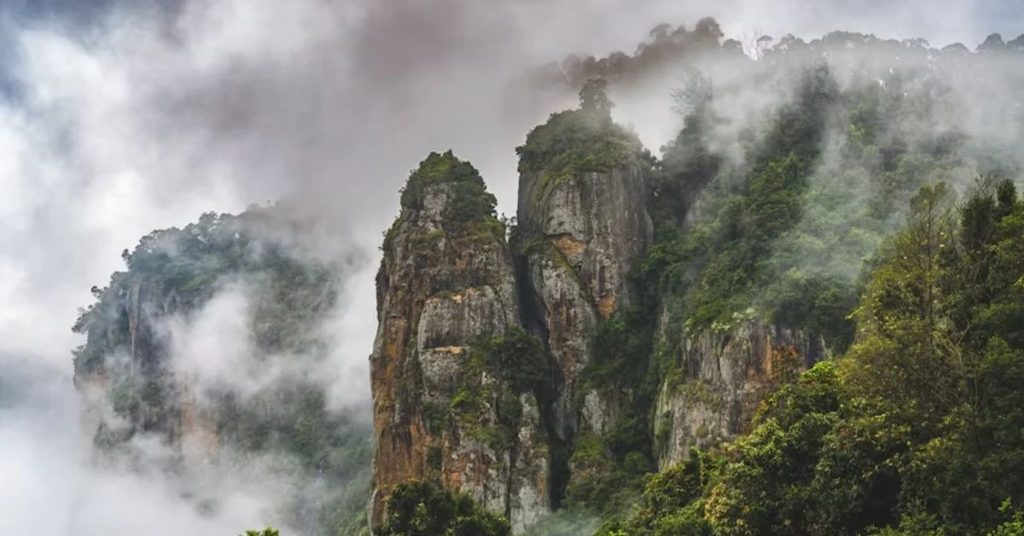
The important point is that responsible tourism here should involve more than photographing the scenery. You can contribute simply by reducing waste, respecting forest areas and supporting businesses that take environmental management seriously.
- Location: Google Map
- Best time to visit: October to March is generally pleasant for exploring Kodaikanal, with temperatures typically ranging from 10°C to 20°C. March to June is also popular for hill-station sightseeing, with temperatures generally around 15°C to 25°C. For the Kodaikanal Solar Observatory, your visit depends more on its permitted visitor schedule than on the season.
- Entry fee: Always check the official website before your visit. However, Government schools and colleges can receive free entry on request with supporting documents.
- Timings: Organised visits to the Kodaikanal Solar Observatory are subject to the Indian Institute of Astrophysics’ visitor guidelines and permitted visiting arrangements.
- Safari options: No safari is available. Your experience here centres on astronomy, the observatory campus and the surrounding Kodaikanal landscape.
- Nearest major airport: Madurai International Airport, approximately 120–130 km from the Solar Observatory.
- Nearest major railway station: Kodaikanal Road Railway Station, approximately 80 km from the observatory.
Visitor information: You need to submit the observatory visit form at least 15 days before your preferred date. Visitors can spend up to 90 minutes on the campus and must remain within areas designated by the coordinator.
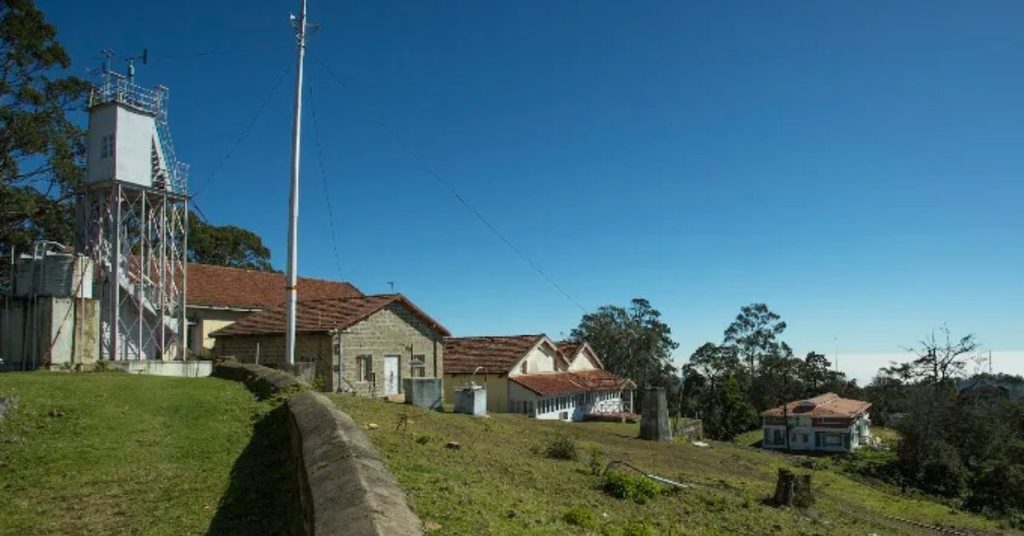
Additional experience: The on-campus Astronomy Museum displays astronomy material and, depending on observing conditions, visitors may see a live solar image and Fraunhofer spectrum.
Final Thoughts
Choosing an eco-tourism destination is only the first step. How you actually show up once you get there is what truly turns a standard vacation into a responsible journey.
When you visit these places, remember that you are stepping into living, delicate ecosystems and real local communities. You don’t need to overcomplicate it or aim for perfection. Responsible travel simply comes down to making conscious choices on the ground: stay on the designated trails, back local guides and family-run stays, carry out whatever waste you bring in, and let nature set the pace instead of rushing through a checklist.
Every choice you make on the road leaves a mark. By choosing to travel thoughtfully, you help protect these fragile South Indian landscapes so they stay wild, welcoming, and intact for whoever follows in your footsteps.
☛ Also Read:
- Chandramouleshwara Temple, Forgotten Glory of 900-year Chalukyan Era in Hubli, Karnataka
- Discovering Chanakya’s Arthashastra In The Oriental Research Institute, Mysore
- Nrupatunga Betta In Hubli, The Best Viewpoint That You Can’t Miss
- Dudhsagar Waterfalls Trek To The Top, Unforgettable Western Ghats Adventure
Frequently Asked Questions About Eco Tourism Destinations in South India
Which are the best eco tourism destinations in South India?
Notable destinations include Thenmala, Periyar, Silent Valley, Munnar, Agumbe, Kabini, Kudremukh, Vattakanal and Kodaikanal. Each offers a different nature-based experience, from rainforest walks and wildlife safaris to trekking, tea plantations and responsible nature stays.
Which eco tourism destination is best for wildlife?
Periyar and Kabini/Nagarhole are strong choices for wildlife-focused travel. Periyar offers guided forest and reservoir-based experiences, while Kabini provides access to wildlife safaris within the wider Nagarhole landscape. However, wildlife sightings are never guaranteed.
Is Munnar an eco tourism destination?
Munnar is primarily known as a hill station and tea-growing region, but its surrounding landscape includes protected forests, wildlife habitats, trekking routes and nature-based experiences. Eravikulam National Park, in particular, is important for biodiversity and the conservation of the Nilgiri tahr.
Which destination is best for a rainforest experience?
Silent Valley National Park is a notable choice if you want to experience a protected tropical rainforest landscape with regulated visitor access. Agumbe is another option, particularly if you enjoy rainforest walks, waterfalls, trekking and biodiversity.
Which eco tourism destination is best for trekking?
Kudremukh is well suited to challenging mountain trekking through grasslands, forests and streams. Agumbe is better suited to rainforest trekking, while Munnar also offers a range of nature trails and hikes.
Which is the best season to visit South India’s eco tourism destinations?
There is no single best season for every destination. Agumbe is particularly atmospheric during the monsoon, while post-monsoon and winter can offer more comfortable trekking conditions in places such as Kudremukh. Wildlife experiences in Periyar and Kabini also change with the seasons. Always check official opening, permit and weather information before travelling.
Which eco tourism destination is suitable for a family trip?
Thenmala, Munnar and Periyar can work well for family holidays because they offer a combination of nature, sightseeing and guided activities. Check age restrictions and activity-specific rules before booking.
Are eco tourism destinations in South India suitable for solo travellers?
Yes. Several destinations are suitable for solo travellers, particularly when you choose organised activities or authorised guides. In protected forests and wildlife areas, follow local entry regulations and avoid unfamiliar trails without appropriate guidance.
What should I carry for an eco tourism trip in South India?
Carry a reusable water bottle, comfortable walking or trekking shoes, rain protection, sunscreen, insect repellent and a small daypack. For forest and wildlife trips, avoid unnecessary plastic and follow the instructions issued by the relevant forest department or protected area.
How can I travel responsibly to eco tourism destinations?
Stay on marked trails, avoid single-use plastic, carry your waste with you when disposal facilities are unavailable, keep noise to a minimum, never feed wildlife and respect local communities. Where required, use authorised guides and operators and follow all conservation rules.
How can I check whether an eco tourism site is open before travelling?
Check the official website of the relevant forest department, national park, tourism authority or destination shortly before your journey. Weather, conservation work, wildlife-management requirements and seasonal conditions can affect visitor access, permits and activities.



Ramashis Banerjee
Very well described and informative..
Pingback: Top 10 Backpacking Destinations in India | Budget Friendly, Adventure and More