
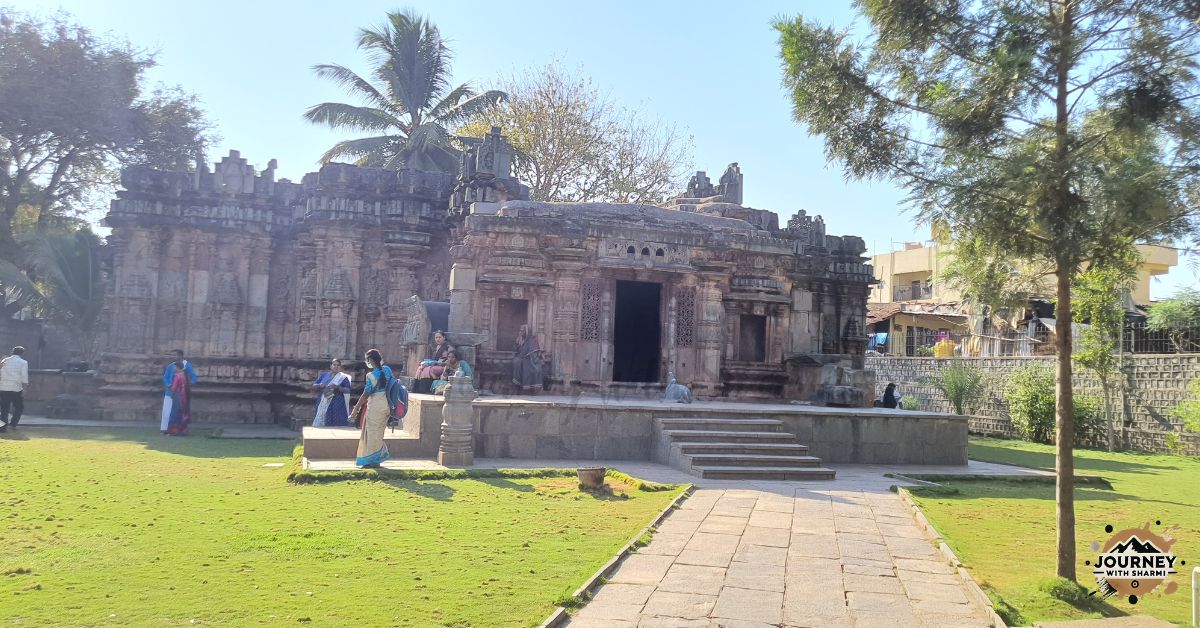
My Journey to Chandramouleshwara Temple Hubli, A Hidden Chalukyan Heritage
Have you ever stumbled upon a place so fascinating that you wondered why more people don’t talk about it? That’s exactly how we felt when we first visited Shri Chandramouleshwara Temple Hubli, near Unkal Lake.
We were just awe-struck to find this wonder hidden in Hubli—Shri Chandramouleshwara Temple, a 900-year-old Chalukyan marvel. While iconic historical places in Karnataka like Badami and Pattadakal have well-deserved fame, but this temple in hubli beautifully and quietly preserved a piece of history, waiting to be explored. You can say, it is primarily forgotten—or neglected by many, but believe me it holds stories that deserve to be told.
So, for those who love discovering forgotten history, Chandramouleshwara Temple in Hubli is an absolute treasure. It left a lasting impression on me, and I’m excited to take you on this journey.
Chandramouleshwara Temple Hubli Timings & Schedule
When we planned our visit, we mapped out the official timings and local schedule of this temple first. So that, we could experience both the architecture and the quiet spiritual atmosphere.
- Opening Hours: 6:00 AM to 6:00 PM daily.
- Pooja Timings: 6:00 AM to 11:00 AM and 5:00 PM to 6:00 PM.
- Entry Fee: Free (It is an ancient monument protected by the Archaeological Survey of India).
- Best Time to Visit: Mondays hold special significance for local Shaivite devotees. As it is Shiva Temple, the Maha Shivratri celebrations here are truly grand and mesmerising.
Chandramouleshwara Temple In Hubli Is An Unspoken Glory Of Chalukyan Architecture
We all know that Karnataka is a land of architectural brilliance, especially if we consider the most famous Hoysala dynasty. However, before the Hoysalas, the Chalukyas laid their foundation and created masterpieces of Dravidian art in this state that still stand tall today.
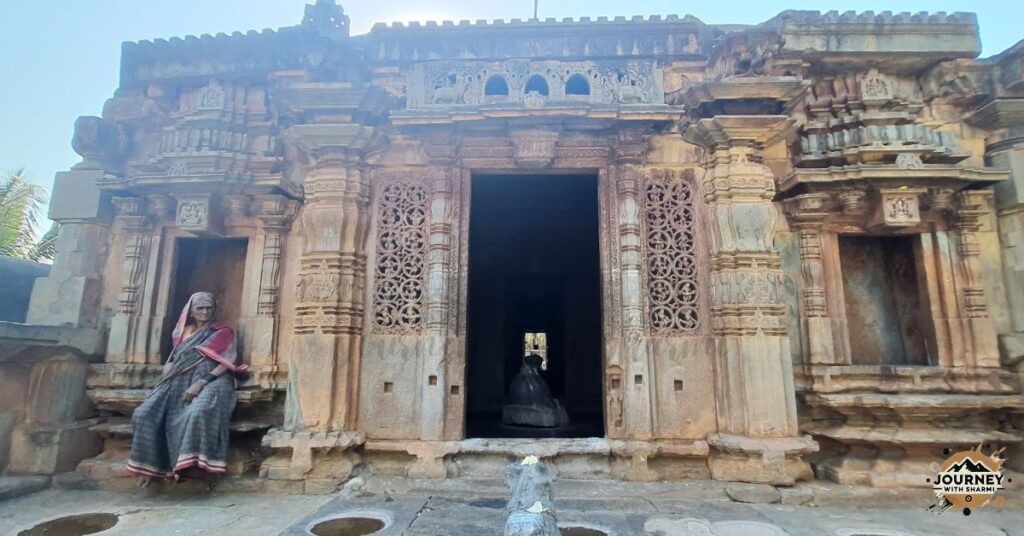
Built in the 11th or 12th century, Chandramouleshwara Temple in Hubli was once a grand symbol of Chalukyan craftsmanship and devotion. It is believed that Chalukyas built this temple not just as a place to worship but as a symbol of their power and cultural intricacy. But after the fall of the Chalukyas, the temple faded from its significance. And now, it is almost forgotten until local Shaivite devotees stepped in to restore it, keeping it alive as a place of worship.
Architectural Serenity Of Chandramouleshwara Temple
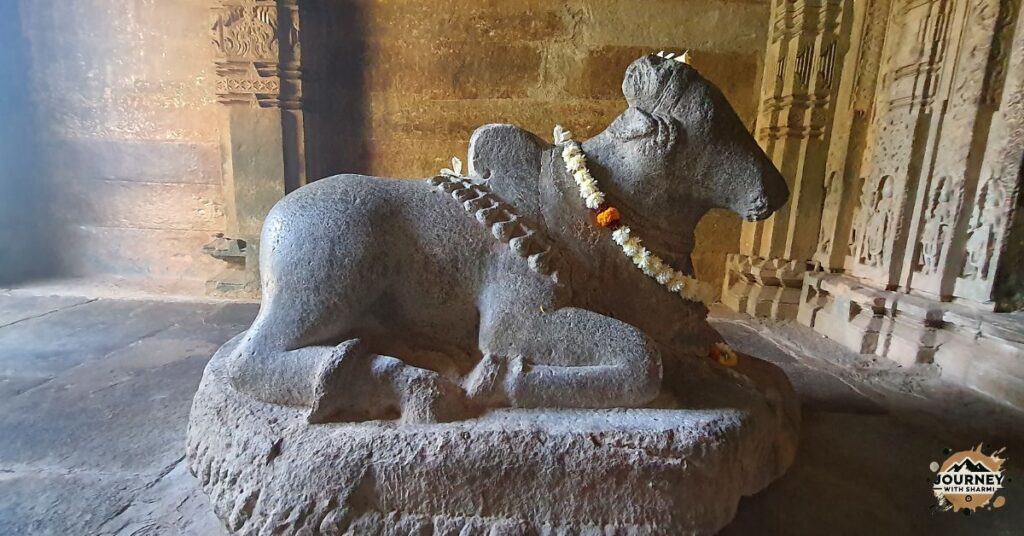
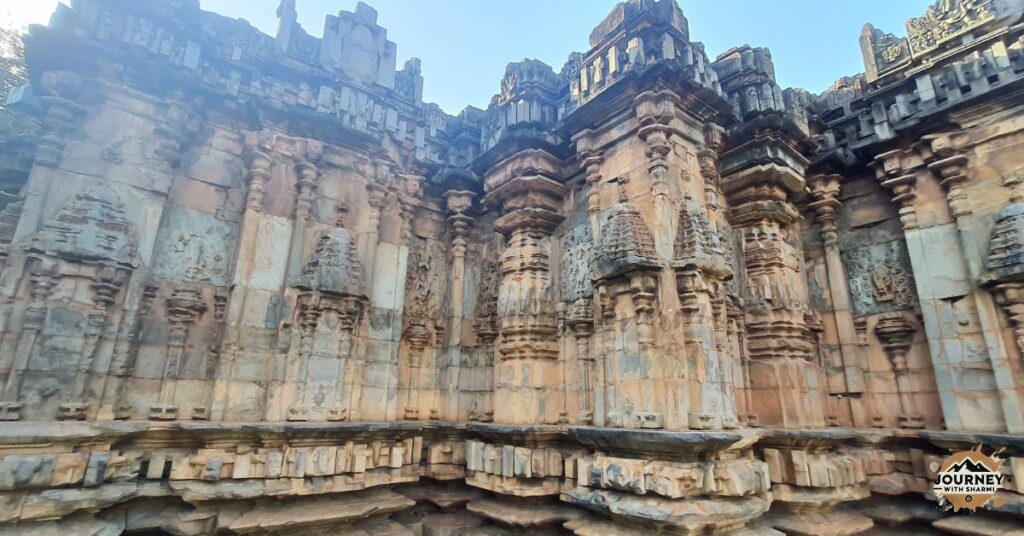
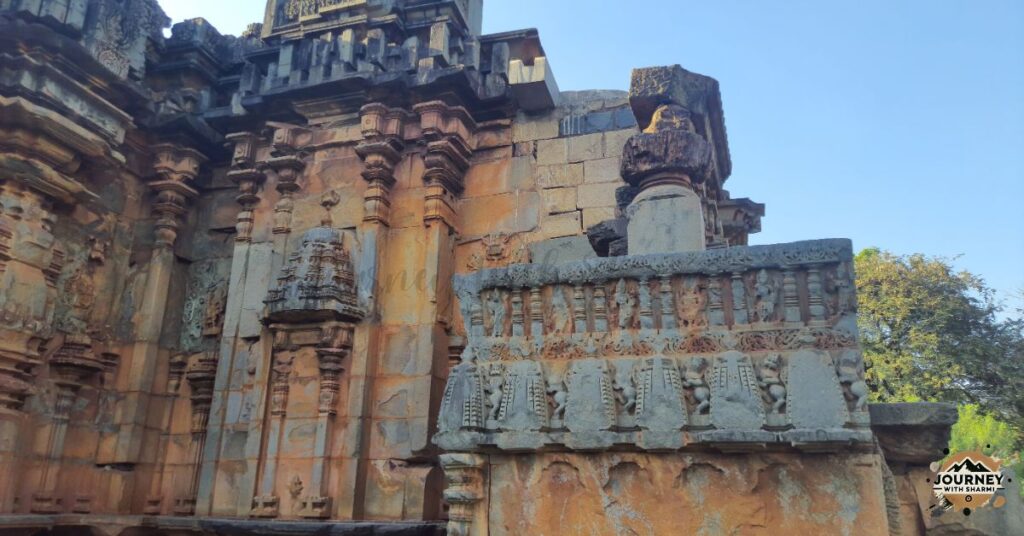
We paused and took it all in the moment we stepped closer to the temple. It stood there, grand and awe-inspiring, as if it had emerged from the earth directly. The raised platform, covered in intricate carvings of gods and goddesses, felt like a silent storyteller of a bygone era. At the entrance of this temple in Hubli, two majestic Nandi statues stood firm. Their calm yet powerful presence radiated a sense of devotion that had stood the test of time.
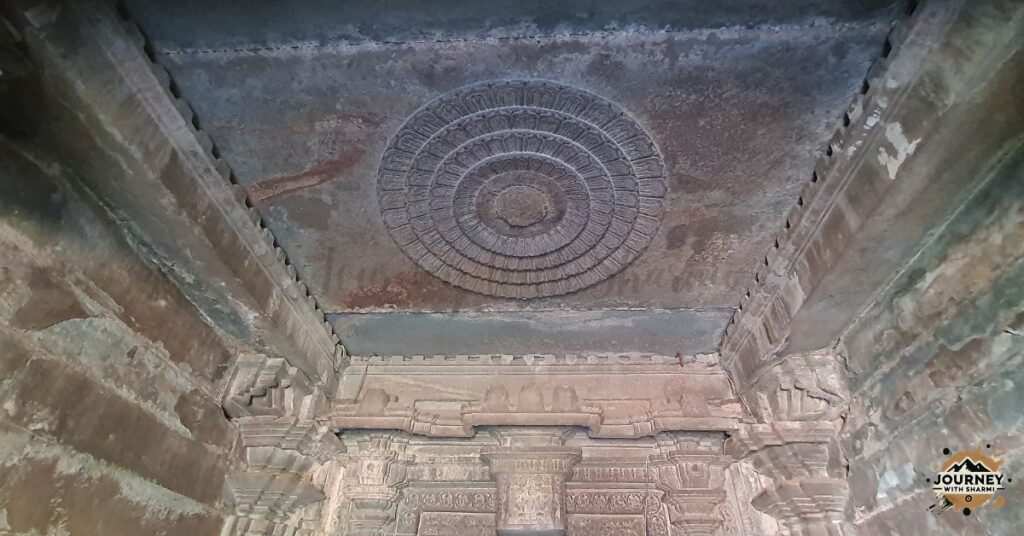
A wave of peace washed over me as I walked inside the temple. The air felt different—almost sacred. Though left unfinished in some places, the walls and pillars were alive with stories frozen in stone. Every carving on it seemed to whisper something—tales of gods and demons, creation and destruction, love and war.
Did You Know? Chandramouleshwara Temple is an unfinished yet perfectly aligned piece of Chalukya architecture. Legends say the temple was built overnight and left incomplete. Its cardinal directions and precise geometric design showcase the brilliance of its artisans.
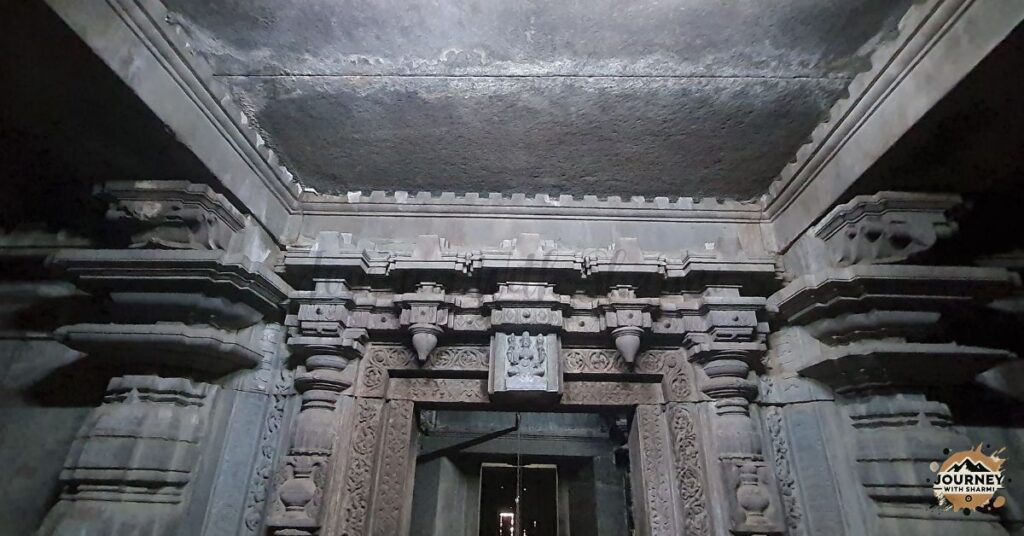
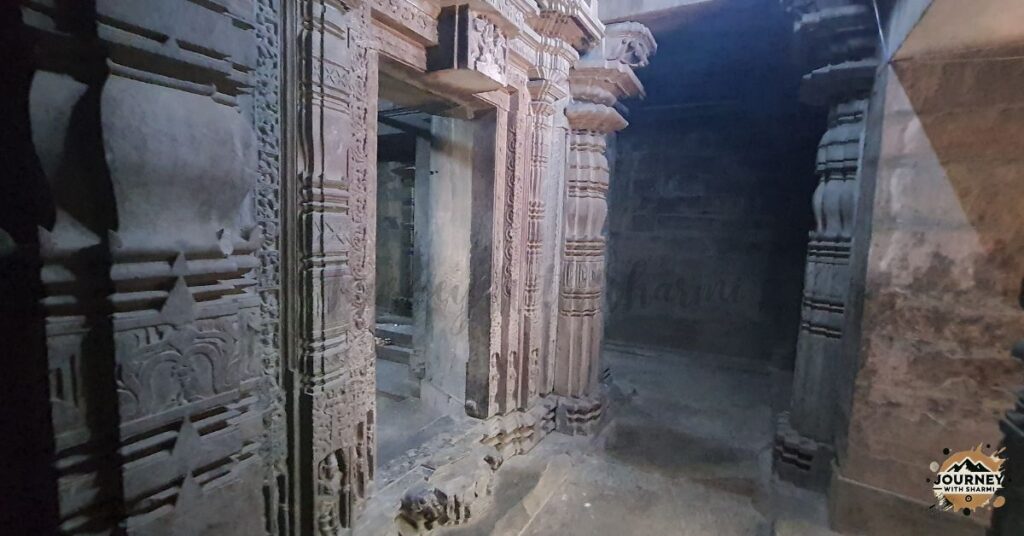
At the heart of the temple stands its most sacred treasure—the Chaturmukha Lingam, a rare four-faced Shiva Lingam. One of the most fascinating things about this temple in Hubli was that the Garbhagriha (sanctum) has four doors, one in each direction, something we had never seen before.
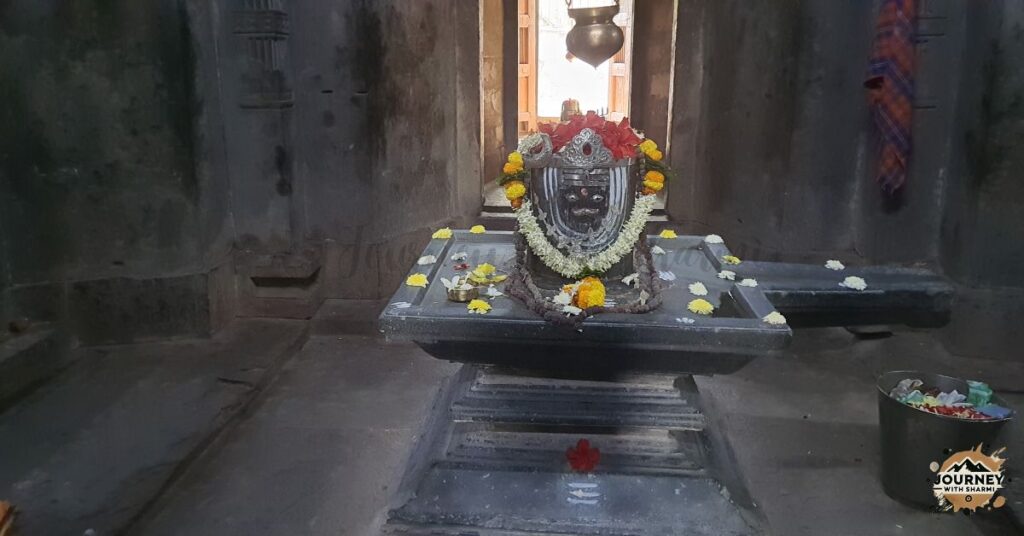
After stepping inside, leaving behind the noise of the bustling city, we were struck by how peaceful it felt. The temple opens up into a spacious hall, almost as if shielding you from the outside world. Don’t miss the beautiful Ganesh temple and idol nestled inside.
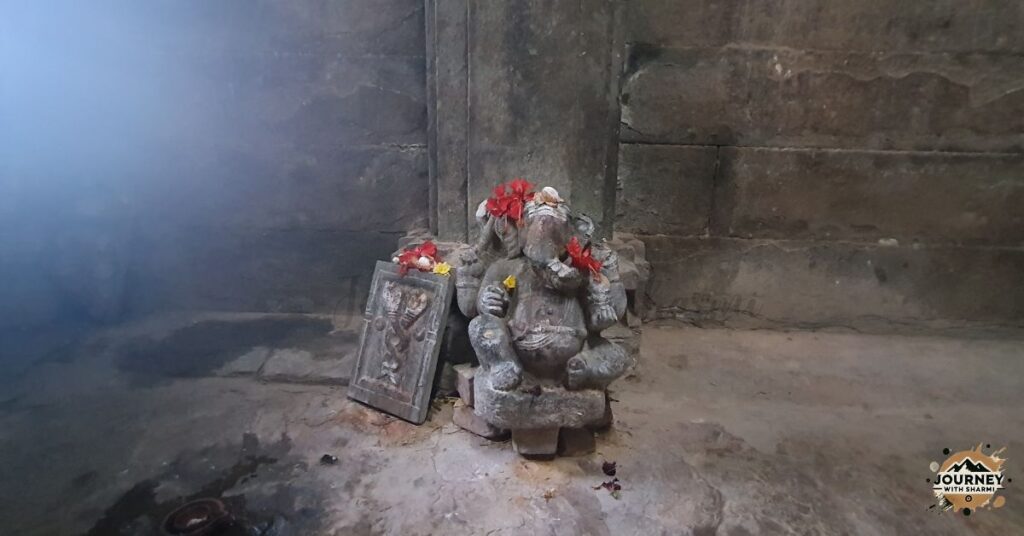
As the sun set, we found that devotees gathered in the temple, their eyes filled with devotion. The air was thick with the sound of quiet chants and the warm flicker of oil lamps. That moment had an overwhelming sense of peace as if Lord Shiva’s presence was woven into every stone around me.
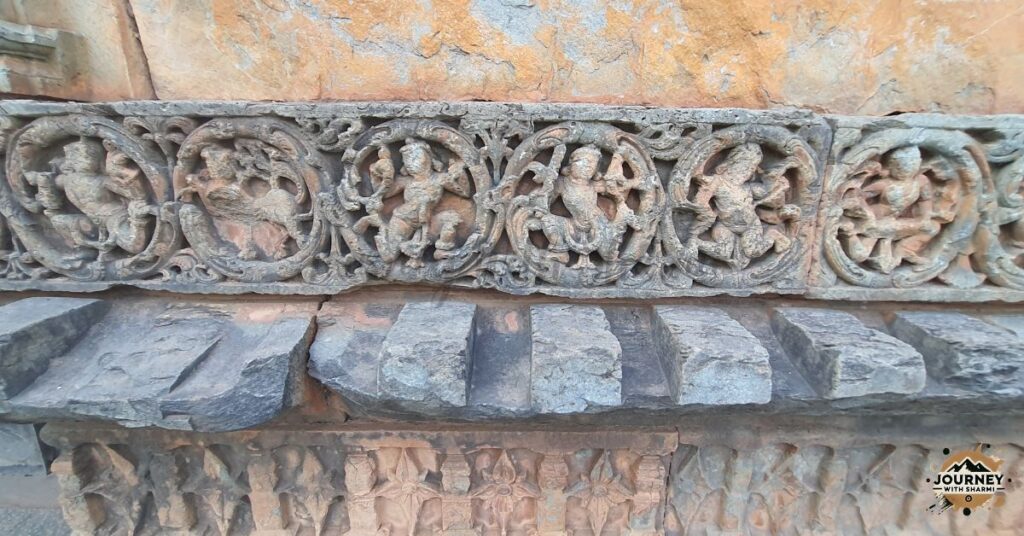
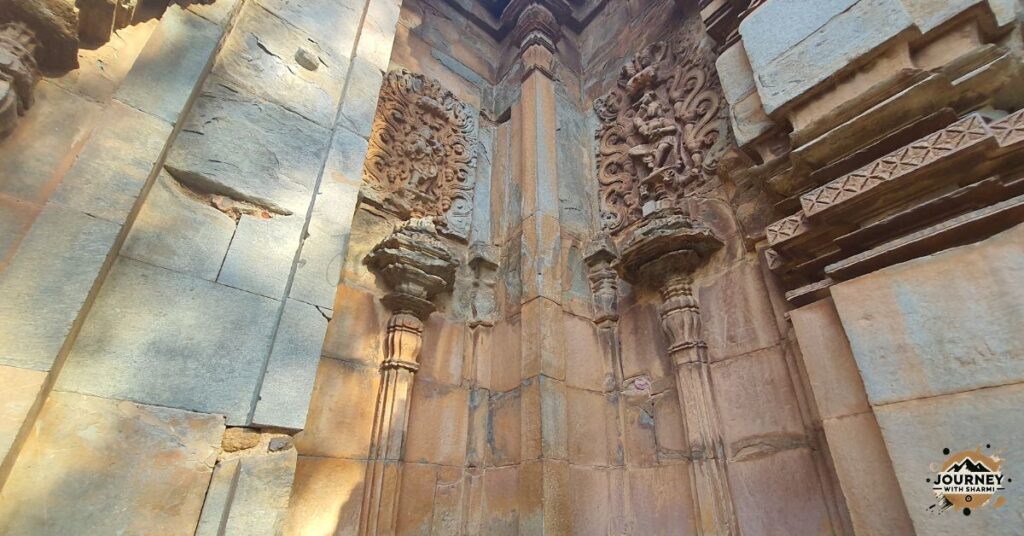
The Chandramouleshwara Temple in Hubli is a treasure trove for anyone who loves history, art, and architecture. Every red granite stone of this temple tells a story: the grand Dwarapalas (gatekeepers), Nataraja in a graceful dance pose, the fierce Narasimha, a beautifully detailed Saraswati, Brahma, Vishnu, Maheshwara and Mahishasuramardin, the delicate Jaladharas, and the majestic Nandis—each a testament to the extraordinary skill of the Chalukyas.
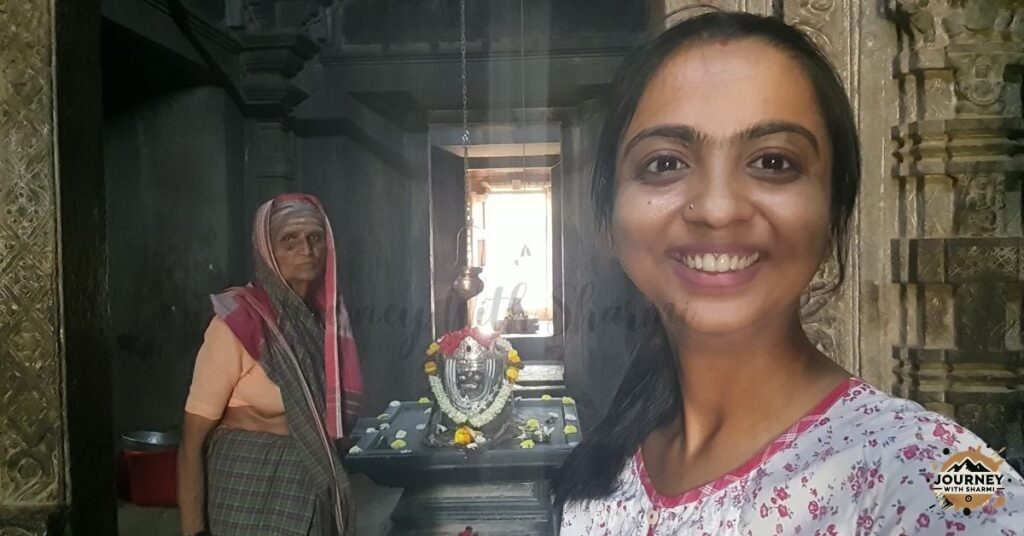
How to Reach Chandramouleshwara Temple (My Local Travel Tips)
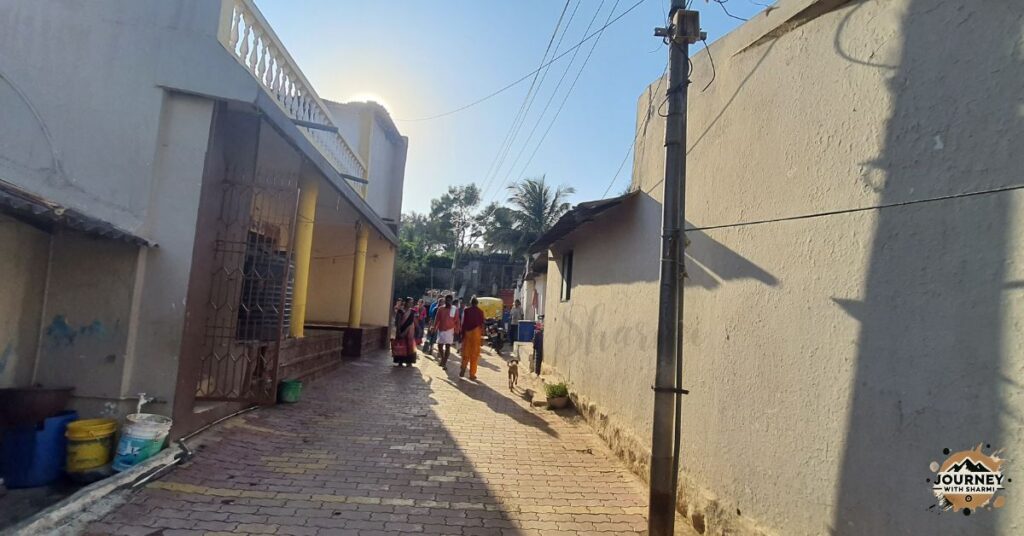
Navigating to this temple in Hubli can be a bit tricky if you don’t plan ahead, as it is located within a congested residential area of Unkal.
1. By Car (Important Warning): If you are arriving in a four-wheeler, I strongly suggest parking your car on the main road near Unkal Lake. The approach roads are very narrow with almost zero parking space near the actual monument entrance; a short walk will save you massive traffic hassles.
2. By Public Transport: You can easily take a local bus or the Hubli-Dharwad BRTS to the Unkal BRTS Bus Stop. From there, the temple is just a short 1 to 1.5 km commute.
3. By Two-Wheeler (My Experience): We used a scooter for my visit, which made navigating the narrow lanes incredibly easy.
However, Hubli is well-connected by railways, an airport, and interstate bus services, making it easy to reach from different cities. You just need to get down at the mentioned bus stop.
Places Nearer to Chandramouleshwara Temple
You might come across a Hanuman Temple located near the Chandramouleshwara Temple. The idol inside is uniquely black in colour, which sets it apart from traditional Hanuman idols. Also, a Siddappajja Math is located nearby and is known for its spiritual significance. Devotees visit this place to seek blessings and experience a sense of peace.
Apart from these two places, you can explore several other attractions near Chandramouleshwara Temple within a few kilometres. Each site offers a unique experience, making your visit even more memorable. These include
- Nrupatunga Betta
- Unkal Lake
- Iskcon Temple
- Bansankari Temple
- Shree Siddharoodha Math
- Indira Gandhi Glass House Garden
Unknown Facts About Chandramouleshwara Temple In Hubli
- This temple is recognised and maintained by the Archaeological Survey of India.
- This temple doesn’t have a gopura (the gateway of a temple in Southern India). It is believed that the temple was constructed overnight, and this gopura couldn’t be completed.
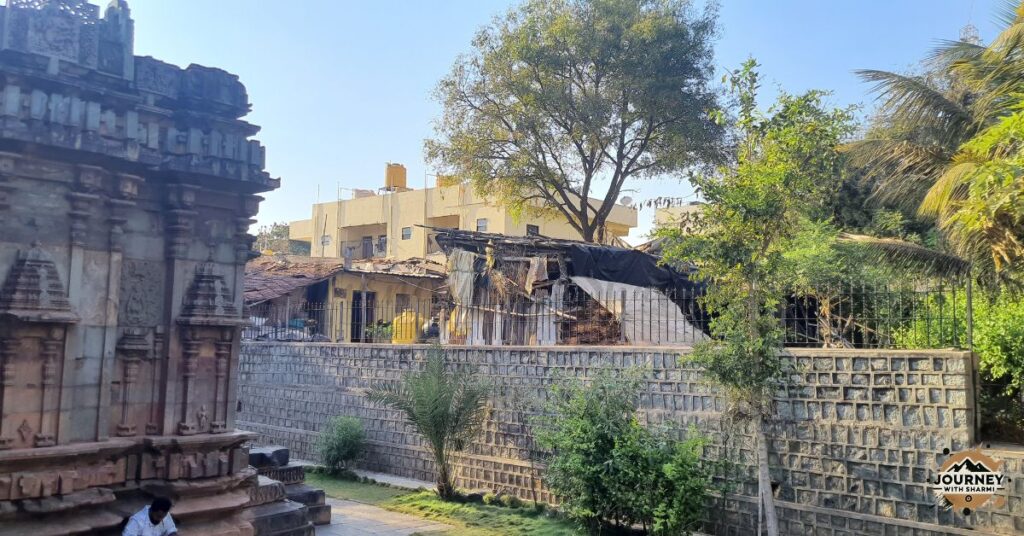
- The Chandramouleshwara Temple in Hubli once stood amidst a vast open space, but encroachment has left little to no room around it. Restoration efforts are still in progress, so don’t expect basic facilities at the moment.
- If you visit this temple in the evening, don’t forget to witness the sunset views from Unkal Lake, which is located right next to the temple.
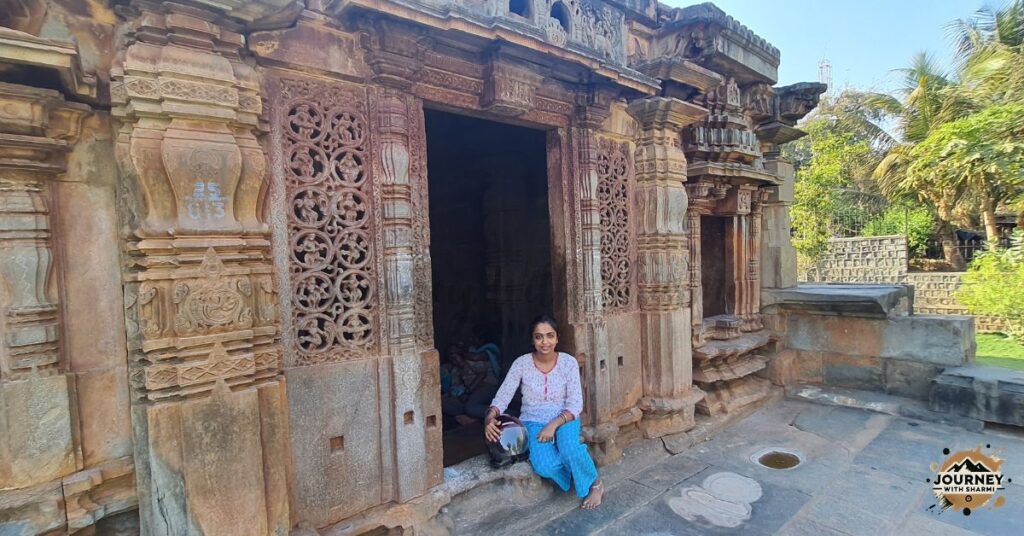
- The temple features stunning, perforated stone lattice windows called Jalandharas. If you look closely at these screens, you can spot miniature carvings of entwined Naga-Nagini (serpent deities), musicians, and dancers woven right into the stone mesh.
- The temple actually holds a second major shrine dedicated to Lord Mallikarjuna. This explains why the temple uniquely features two distinct Shivalingas and two massive Nandi statues.
Summary From My Own Experience: A Must-Visit Place If You’re In Hubli
Trust me, visiting the Chandramouleshwara Temple in Hubli was like stepping into a forgotten chapter of history for me. While it once stood amidst a vast open space, modern urban encroachment has left very little room around the perimeter wall.
Because it is a protected heritage site currently undergoing gradual restoration by the ASI, do not expect commercial souvenir shops, modern facilities, or typical tourist crowds. It remains a raw, peaceful, and deeply authentic spiritual sanctuary. If you ever find yourself traveling through Karnataka, I highly encourage you to make time for this hidden treasure.
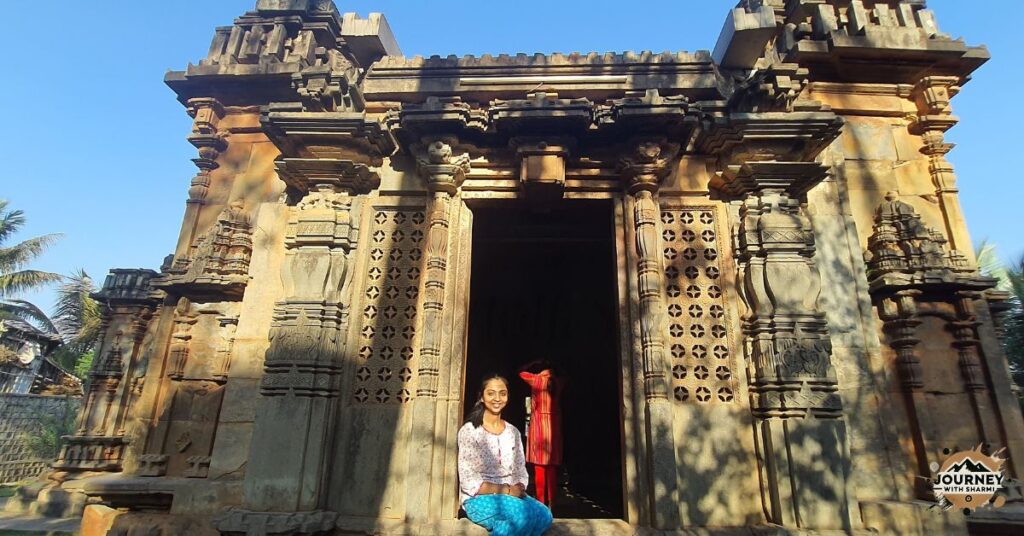
If you ever find yourself in Hubli, I highly recommend to visit this forgotten marvel in Karnataka. Though it might not be as famous as other historical landmarks, it holds a special kind of magic that’s hard to put into words.
☛ Chandramouleshwara Temple Address: Google Map
Frequently Asked Questions About Chandramouleshwara Temple, Unkal, Hubli
1. What do the four doorways of Chandramouleshwara Temple Hubli, represent?
The four entrances in this temple in Hubli—east, west, north, and south—symbolise Lord Shiva’s omnipresence, which means “He” can be reached from any direction.
2. What do you mean by the word “Chandramauleshwara”?
Chandramouleshwara means “Lord Shiva, the wearer of the crescent moon.” The name comes from “Chandra” (moon), “Mouleshwara” (Lord of the crown), symbolising Shiva’s cosmic power and tranquillity.
3. Who built the Chandramouleshwara Temple in Hubli?
According to folklore, skilled artisans of the Chalukyan Era attempted to build the temple in a single night. However, they couldn’t complete it, so parts of the structure remain unfinished.
4. Are there any shops around Chandramauleshwara Temple Hubli, where I can buy souvenirs?
No, there are no such shops around the temple. The locality is very congested with small houses. The road towards the temple is narrow.
5. Is photography allowed inside the Chandramouleshwara Temple?
Yes, standard photography with smartphones or personal cameras is completely allowed and free throughout the exterior grounds and the main pillared hall (mandapa). However, out of respect for religious sentiments, you should avoid taking close-up flash photography of the deities inside the active inner sanctum. If you plan to use professional tripods, commercial setups, or drones, you must get prior written permission from the Archaeological Survey of India (ASI).
6. Is the temple wheelchair accessible or senior-citizen friendly?
Unfortunately, the temple is not fully accessible for individuals with mobility challenges. To match historical Chalukyan architectural styles, the entire structure is built on a high, raised stone platform (jagati). Accessing the inner halls requires climbing a flight of steep, narrow stone steps that do not have side handrails or ramp alternatives.
7. How much time should I plan to spend at the temple?
You should plan to spend about 45 to 60 minutes at the site. This gives you plenty of time to admire the mirror-polished black granite pillars, look closely at the fine carvings of dancing Ganesha and Saraswati, take photos of the unique four-door layout of this temple in Hubli



Pratyusha Bhowmick
Very nice and informative article.
Pingback: Top 10 Backpacking Destinations in India | Budget Friendly, Adventure and More