
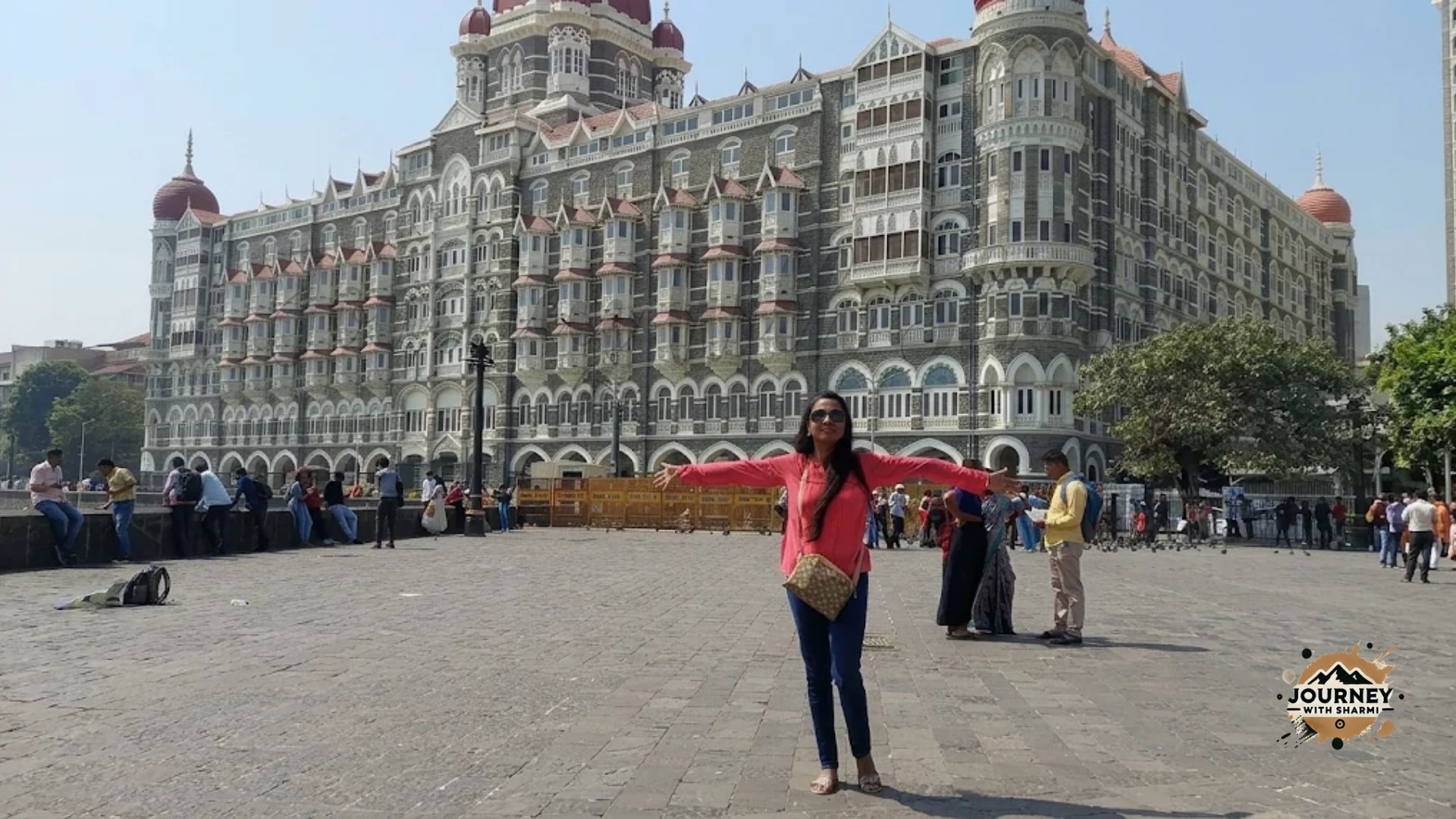
My 22 Favourite Places to Visit in Mumbai, India
Mumbai is one of those cities in India I never seem to experience in quite the same way twice. Yet, somehow, it always feels familiar; I can honestly say that, after my hometown, Kolkata, this is a city I know from the heart.
I’ve visited Mumbai many times because my aunt lives here in Chembur, and that’s why this city has become much more familiar to me than a destination I simply visit for a few days. So, what I particularly love about Mumbai is how effortlessly different experiences exist alongside one another.
If you’re visiting Mumbai for the first time, however, it can feel overwhelming. There are beaches, heritage buildings, temples, museums, markets, caves, parks and neighbourhoods spread across the city.
You can begin your morning among centuries-old rock-cut Elephanta Caves, walk through a UNESCO-listed railway station, spend an afternoon exploring art and museums, eat Mumbai street food, and finish the day watching the sunset beside the Arabian Sea.
So, based on my own repeated visits, here is my note for the best places to visit in Mumbai, including what each place is known for, what you can experience there, and how you would plan a visit.
1. Gateway of India
If you ever ask me what to see first in Mumbai, Gateway of India will be one of the places I’ll mention.
Standing beside the Arabian Sea at Apollo Bunder, the Gateway of India is one of the best places to visit in Mumbai. It was built during the early 20th century and has become closely associated with the city’s colonial-era history and waterfront.
I particularly like visiting this place as part of a larger South Mumbai sightseeing walk, particularly the Taj Mahal Palace area, Colaba, Fort and Kala Ghoda, rather than treating it as a standalone attraction.
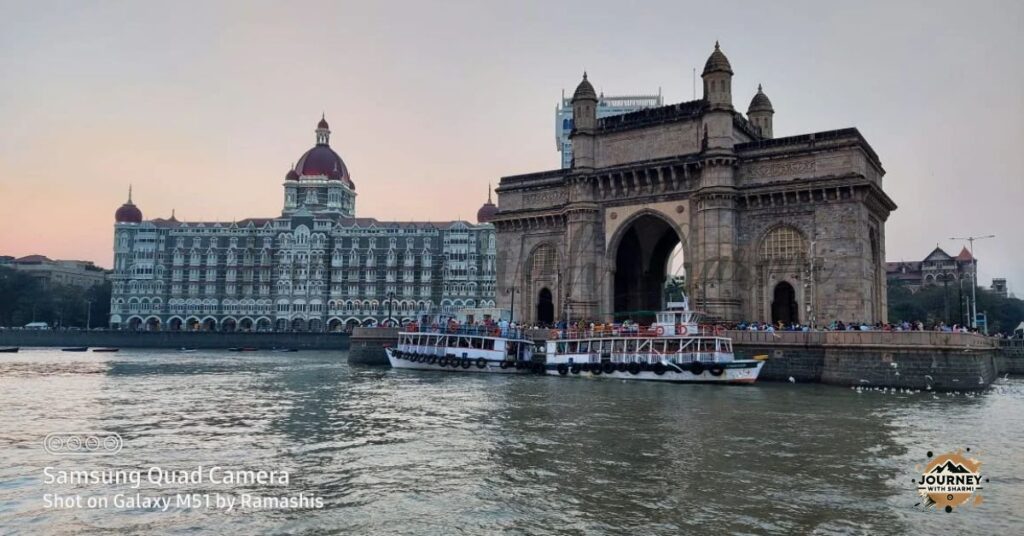
Also, from here you’ll get a ferry for visiting another UNESCO heritage site, Elephanta Caves, which’ll take approximately 1 hour each way (approximately 13 km across the Arabian Sea).
So, if you’re visiting Mumbai for the first time, love photography, heritage walks and waterfront views, don’t miss this place.
- Location: Google Map
2. Elephanta Caves
For me, Elephanta Caves are among the most rewarding places to visit in Mumbai if you want to experience something beyond the city’s modern skyline.
Located on Elephanta Island, approximately 13 km from Mumbai, you can reach these caves by ferry or private speedboat from the Gateway of India. Believe me, this journey itself is a most memorable experience once you leave the city’s waterfront behind and sail away to the caves across the Arabian Sea.
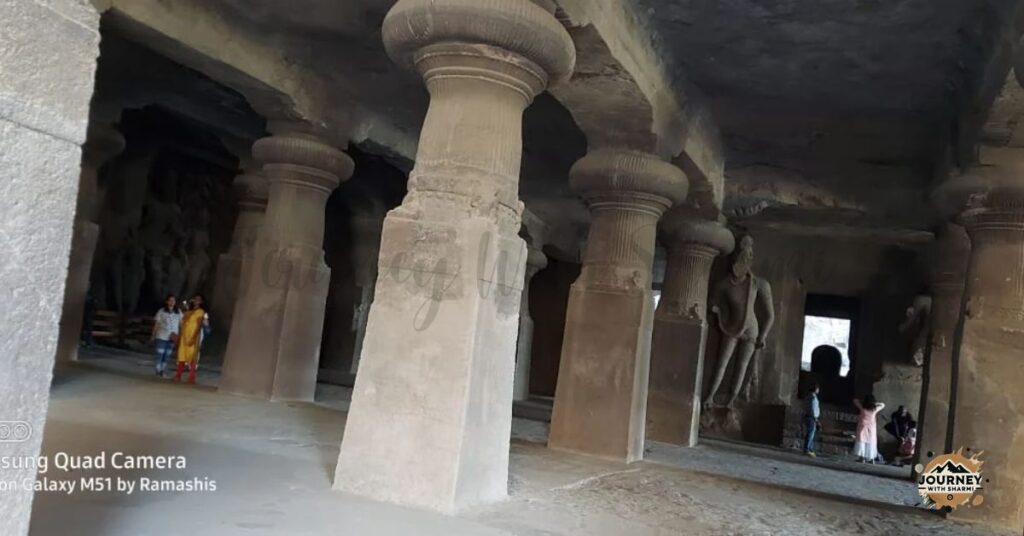
The cave complex is famous for its rock-cut sculptures, particularly the monumental Trimurti of Shiva, along with depictions of Nataraja, Ardhanarishvara and other forms of Shiva. In 1987, this place was listed in UNESCO World Heritage Site, and after that, Maharashtra Tourism added it as an important example of India’s rock-cut architectural and artistic heritage.
If you’re interested in history, architecture, photography and culture, don’t forget to include this place in your Mumbai itinerary.
3. Marine Drive
If Gateway of India represents historic Mumbai, then Marine Drive represents the city’s everyday personality. This is the long promenade that curves along the Arabian Sea and is particularly beautiful during sunset and after dark, when the streetlights create the famous “Queen’s Necklace” effect.
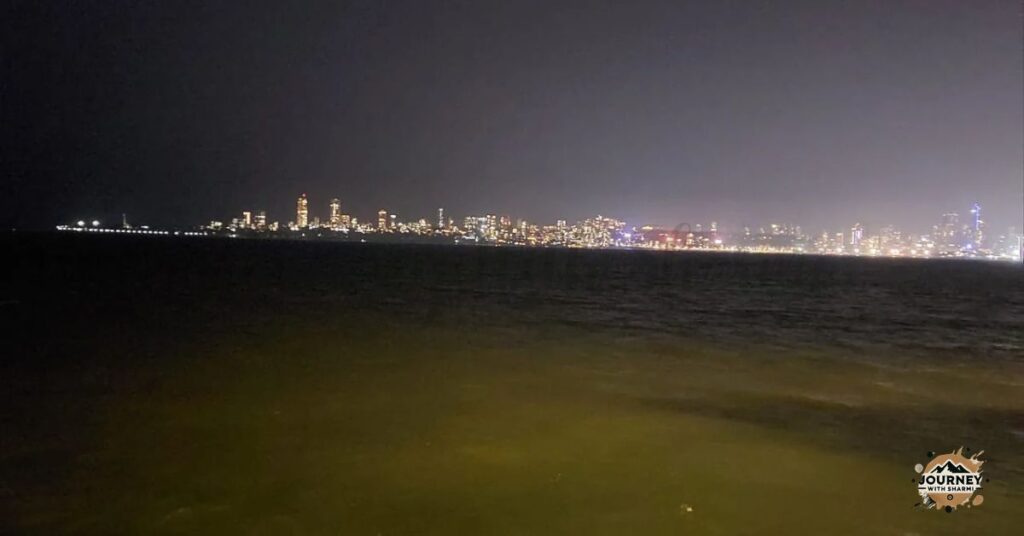
I would personally recommend you not to make a rush to visit this Marine Drive. Try to spend some time, especially after the evening, and what you do here is simply walk along the promenade, sit facing the sea and watch Mumbai move around you.
- Location: Google Map
4. Chhatrapati Shivaji Maharaj Terminus
I find its historic architecture and bustling railway platforms particularly captivating, so I want to suggest this place to add in your Mumbai itinerary if you enjoy railway journeys.
Previously known as Victoria Terminus (VT), this is not merely a railway station; it is an elaborate architecture representing Victorian Gothic Revival. It influences Indian architectural elements, creating one of the most recognisable buildings in Mumbai.
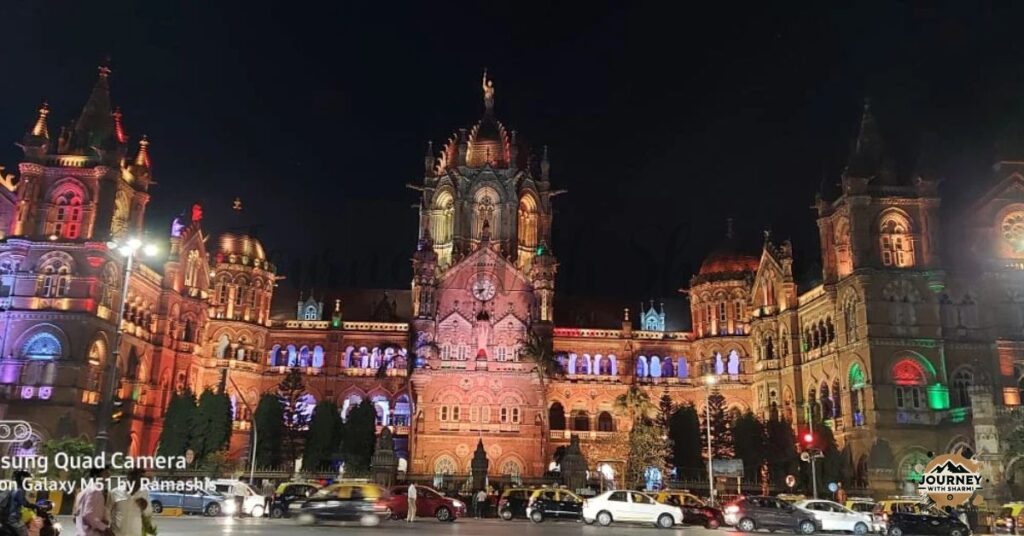
Even if you’re not catching a train, don’t forget to miss this UNESCO World Heritage Site, the South Mumbai heritage walk.
- Location: Google Map
5. Chhatrapati Shivaji Maharaj Vastu Sangrahalaya
Formerly known as the Prince of Wales Museum, Chhatrapati Shivaji Maharaj Vastu Sangrahalaya (CSMVS) is one of my recommendations for anyone who wants to understand India’s history and art beyond Mumbai’s famous monuments.
Located in the historic Kala Ghoda art district, a short distance from the Gateway of India, this museum houses an extensive collection of archaeological discoveries, paintings, sculptures and decorative arts. Its exhibits offer a fascinating glimpse into different historical periods, artistic traditions and cultures of the Indian subcontinent.
As per Mumbai City government’s tourism portal, it is one of India’s major art and history museums, with more than 60,000 artefacts.
- Location: Google Map
6. Colaba Causeway
For anyone who wants to experience a livelier and more commercial side of South Mumbai, I would recommend Colaba Causeway, and believe me, you’ll love the energy of this place.
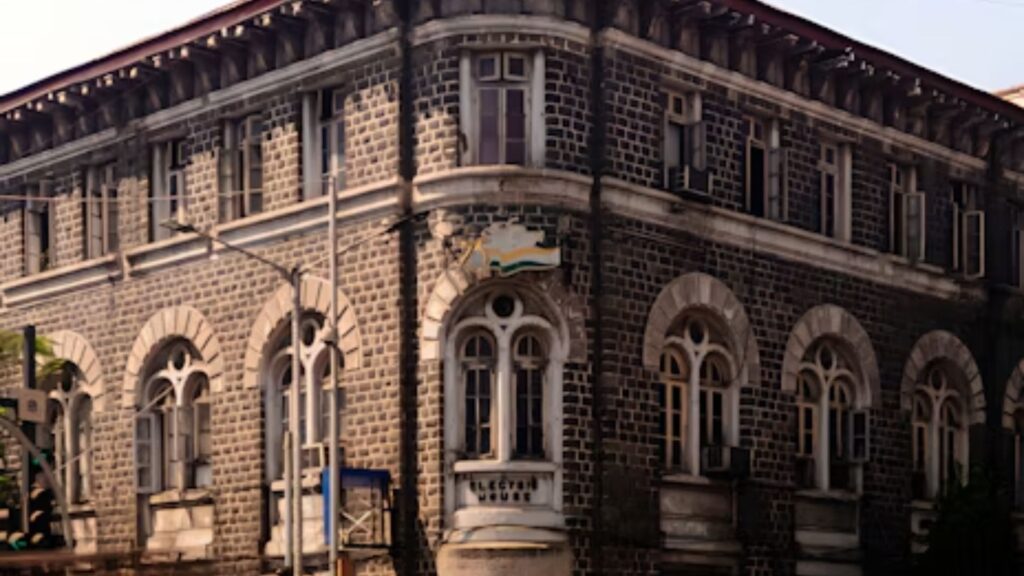
Popularly known for its street shopping, Colaba Causeway is lined with shops and stalls selling trendy clothing, jewellery, accessories, souvenirs, handicrafts and much more. Whether you enjoy browsing through local markets, picking up quirky finds or simply soaking in the bustling street atmosphere, there’s plenty to explore here.
Actually, this is one of the best places to visit in Mumbai for its vibrant atmosphere, street-side charm and the mix of locals and foreign tourists that give it a distinct character.
- Location: Google Map
7. Haji Ali Dargah
The Haji Ali Dargah is one of the best places to visit in Mumbai because of its location on an islet off the Worli coast. The shrine is connected to the mainland by a narrow causeway, making the approach itself part of the experience.
Additionally, it is an important religious site in Mumbai visited by people from different communities and is also notable for its Indo-Islamic architectural character. The Mumbai City government lists Haji Ali Dargah among the city’s major tourist and religious attractions.
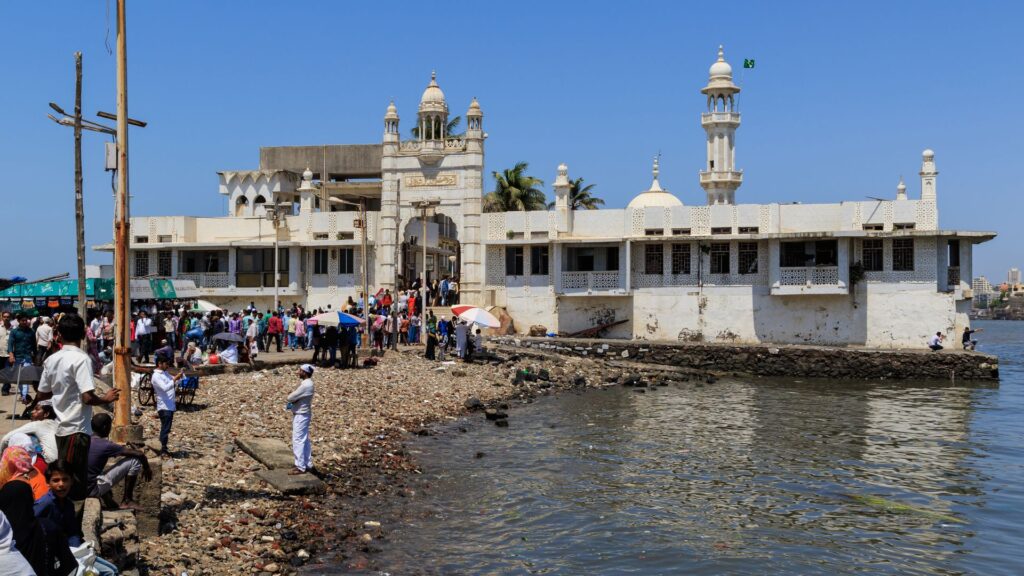
If you enjoy exploring spiritual landmarks and experiencing the cultural diversity of a city, I would definitely recommend adding Haji Ali Dargah to your Mumbai trip plan.
Visitors’ Information: Access along the causeway can be affected by tides, so check local conditions before visiting.
- Location: Google Map
8. Siddhivinayak Temple
When you’re planning to stay in Mumbai for 1-2 days, you must visit the Siddhivinayak Temple. As the name suggests, this temple is dedicated to Lord Ganesha and is an important landmark of the city.
The temple’s spiritual significance and beautiful architecture make it worth visiting, even if you have already explored Mumbai’s famous monuments and attractions.
I’ll suggest, don’t plan your visit like a conventional sightseeing stop. Allow extra time for queues and follow the temple’s current visitor and security arrangements.
- Location: Google Map
Travel Tip: Always check the official Siddhivinayak Temple official website for the latest changes in timings and darshan details.
10: Juhu Beach
It is one of the most recognisable beaches in Mumbai and offers a very different experience from the formal waterfront of Marine Drive.
I particularly love Juhu for its relaxed evening atmosphere and its famous street-food culture. You can sample Mumbai favourites such as vada pav, pav bhaji, bhel puri and sev puri, although hygiene and crowd conditions can vary between vendors.
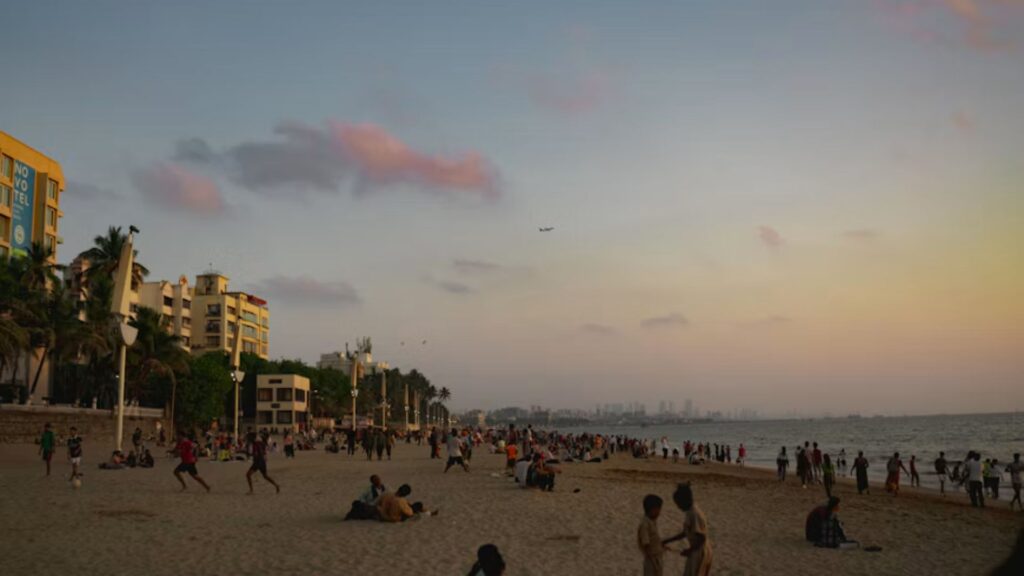
For me, Juhu Beach is one of the best places to visit in Mumbai as an evening outing rather than a swimming destination. Additionally, if you’re looking for the best sunset spot apart from Bandra Fort and Marine Drive, along with some space for family outings, then this beach is one that you must not miss.
- Location: Google Map
10: Bandra Bandstand
If you want to experience modern Mumbai beyond the historic landmarks of South Mumbai, head to Bandra Bandstand. This beautiful seaside promenade offers a refreshing coastal escape, with sweeping views of the Arabian Sea, rocky shorelines and a relaxed atmosphere.
I particularly enjoyed walking along the breezy promenade, watching the waves crash against the rocks and soaking in the lively surroundings. As I strolled past, I couldn’t miss the Bollywood celebrity homes lining the coast: Mannat (Shah Rukh Khan).
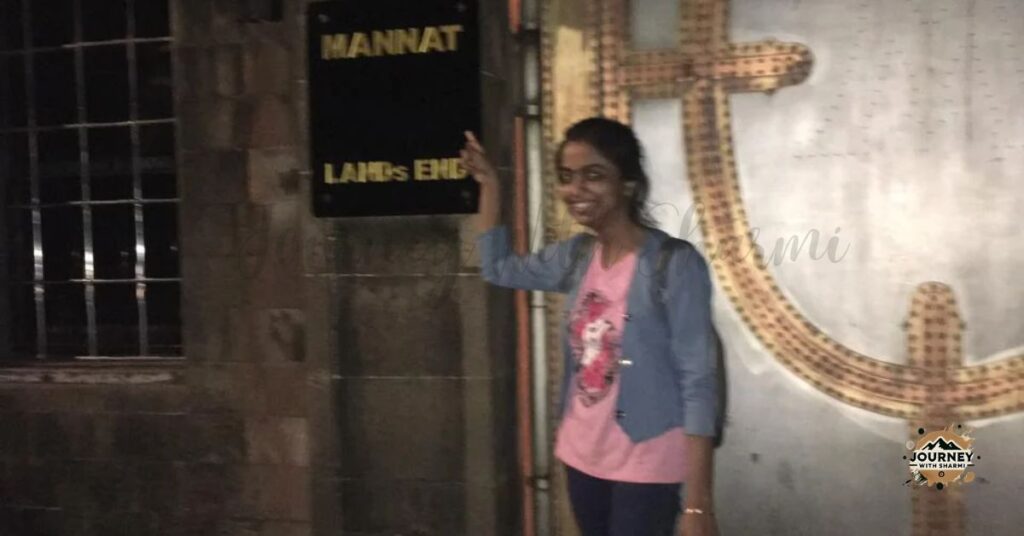
So, if you’re looking for the best sea views in Mumbai along with the best photography location, then this is a must-visit.
- Location: Google Map
11. Bandra Fort
Formally known as Castella de Aguada, Bandra Fort is one of the best places to visit in Mumbai for anyone who loves photography and history, along with sea views.
Located at Land’s End in Bandra, this historic fort offers a wonderful vantage point overlooking the Arabian Sea and the Bandra-Worli Sea Link. As you walk around its grounds, you’ll notice how close the fort sits to the water, with uninterrupted views across the bay.
What makes this place particularly interesting is the contrast between its old coastal stone defences and one of Mumbai’s most impressive modern engineering landmarks. Standing here, you can look at centuries-old fortifications on one side and the sleek Bandra-Worli Sea Link stretching across the sea on the other.
- Location: Google Map
12. Sanjay Gandhi National Park
One of the things that makes Mumbai unusual is that such a large urban centre has access to a substantial protected green landscape. Located in northern Mumbai, Sanjay Gandhi National Park (SGNP) provides opportunities to experience nature without leaving the metropolitan area.
Spread across a large forested area, the national park is home to diverse flora and fauna, including several species of birds, butterflies and mammals. One of the park’s major attractions is the ancient Kanheri Caves, a group of Buddhist rock-cut monuments dating back more than 2,000 years.
Anyone who loves wildlife or wants to spend some time with families in nature, it is the best place to visit in Mumbai.
Visitor Information: The park remains closed on Mondays, so make your plan from Tuesday to Sunday.
- Location: Google Map
13. Kanheri Caves
Located inside Sanjay Gandhi National Park, the Kanheri Caves provide one of Mumbai’s most fascinating historical experiences.
The complex consists of 109 rock-cut caves, which were used as Buddhist monastic residences, meditation spaces, prayer halls and places of worship over many centuries. Maharashtra Tourism dates their use broadly from the 1st century BCE to the 10th century CE.
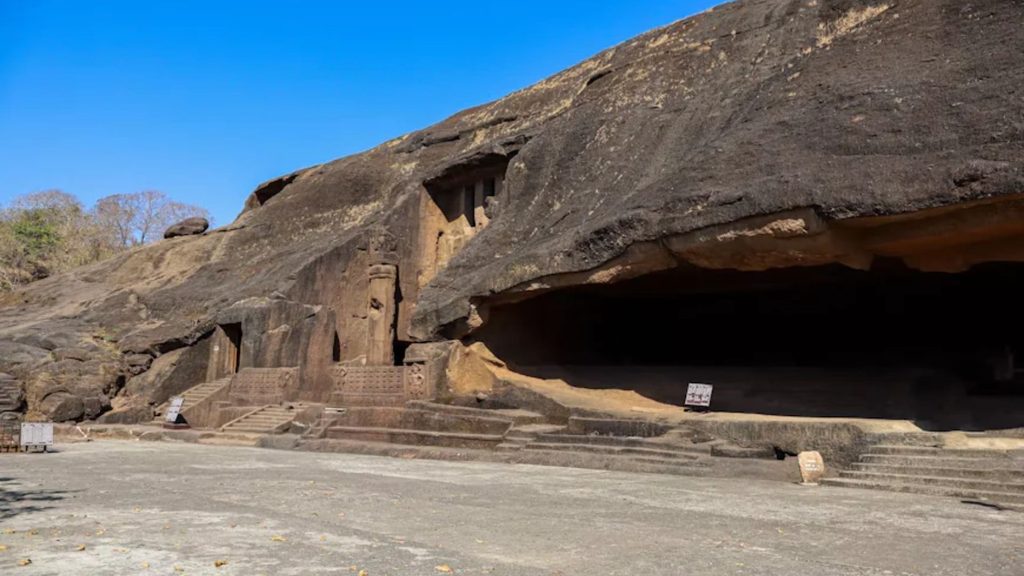
What you’ll find especially interesting about these caves is the contrast between their historical setting and modern Mumbai. Although you’re technically still within the metropolitan city, the surrounding forest, rocky hills and peaceful atmosphere make you feel miles away from its crowded streets and towering buildings.
14. Global Vipassana Pagoda
If you’re interested in meditation, spirituality and remarkable architecture, the Global Vipassana Pagoda at Gorai is one of the most peaceful places to visit in Mumbai.
The first time I visited, I was completely stunned by its enormous golden dome and impressive architectural design. Surrounded by greenery and the Arabian Sea, the pagoda offers a calm atmosphere that feels a world away from Mumbai’s busy streets and crowded neighbourhoods.
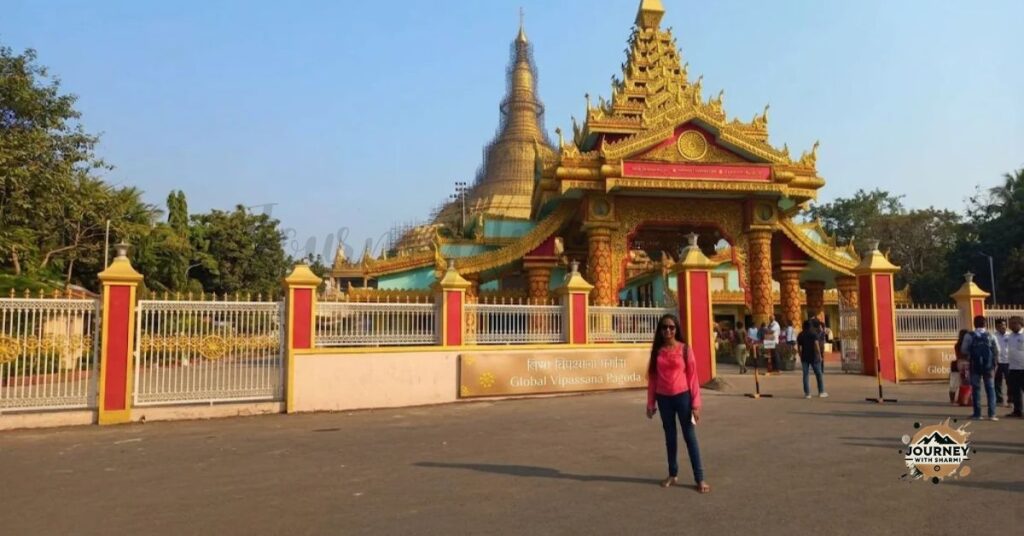
Built as a meditation centre and a tribute to the teachings of Gautama Buddha, the pagoda promotes the practice of Vipassana meditation. You can explore its architectural features, learn about the principles of Vipassana and experience the peaceful surroundings.
So, if you want to take a break from conventional Mumbai sightseeing and experience a quieter, more spiritual side of this city, don’t miss this place.
- Location: Google Map
15. National Museum of Indian Cinema
Mumbai and Indian cinema share an inseparable bond, and that’s the reason that you must visit the National Museum of Indian Cinema in Mumbai.
Located at Gulshan Mahal, the museum explores the development of Indian cinema, including its technological, cultural and historical evolution.
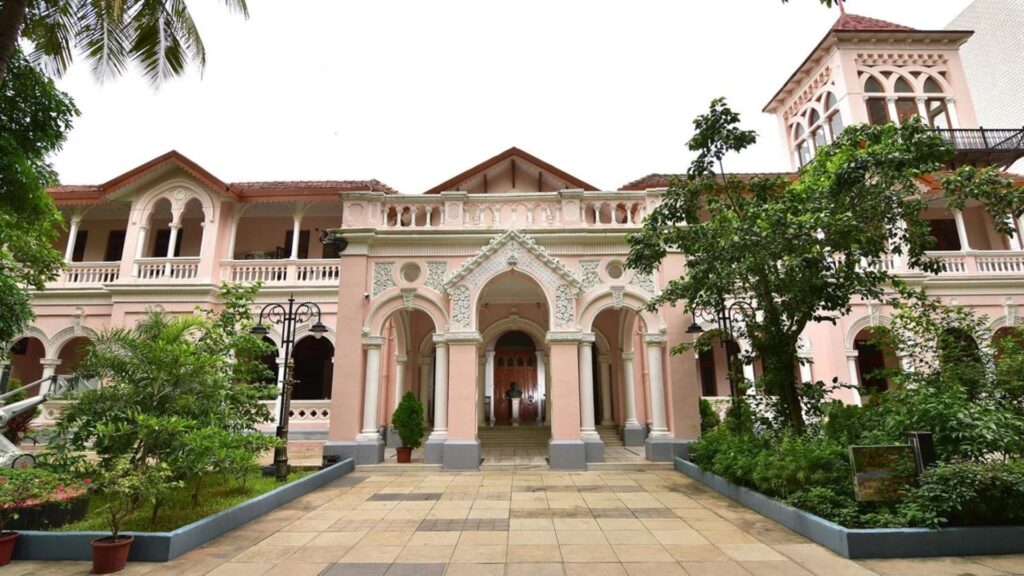
Inside, you can notice how the contrast between the restored 19th-century Gulshan Mahal bungalow and the modern glass building beautifully bridges past and present eras of filmmaking. You can wander through rich exhibits filled with vintage cameras, iconic costumes, rare posters, and classic editing gear that tell the story of Indian cinema from silent films to modern Bollywood.
The visitor hours are from 11:00 AM to 6:00 PM, Tuesday to Sunday (Monday close), but I recommend checking the latest official information before travelling.
- Location: Google Map
16. Nehru Science Centre
If you are exploring Mumbai with children or simply enjoy discovering how things work, the Nehru Science Centre in Worli is the other best place to visit in Mumbai. It is one of the city’s popular educational attractions, offering an engaging combination of science, technology, innovation and interactive learning.
As you explore its expansive galleries and three-acre outdoor Science Park, you will come across more than 500 hands-on exhibits covering subjects such as physics, optics, mathematics and human biology. You can also explore immersive 3D shows, scientific demonstrations and educational activities that make even complex concepts easier to understand.
- Location: Google Map
17. RBI Monetary Museum
Hidden in Mumbai’s historic Fort district, the RBI Monetary Museum offers you an intriguing look into how trade and currency shaped the subcontinent.
As you walk through its carefully curated galleries, you will encounter rare punch-marked coins, colonial-era paper notes, and unique artefacts showcasing India’s shift from ancient barter systems to modern finance. Since it sits right in the heart of the heritage district, you can easily pair your visit with an afternoon of exploring the Victorian and Art Deco architecture nearby.
Additionally, this place in Mumbai is in the Fort area, so you can combine it with a broader South Mumbai heritage walk.
- Location: Google Map
18. Mahakali Caves
If you are tight on time for Elephanta or Kanheri but still want to experience Mumbai’s ancient rock-cut heritage, you should definitely add the Mahakali Caves in Andheri to your list.
Tucked away on a quiet basalt hill, this cluster of 19 ancient Buddhist caves dates all the way back between the 1st century BCE and the 6th century CE. As you walk through the complex, you will discover weathered stupas, rock-cut monastery cells, and a striking 9th-century sculpture of the Buddha alongside Buddhist mythologies.
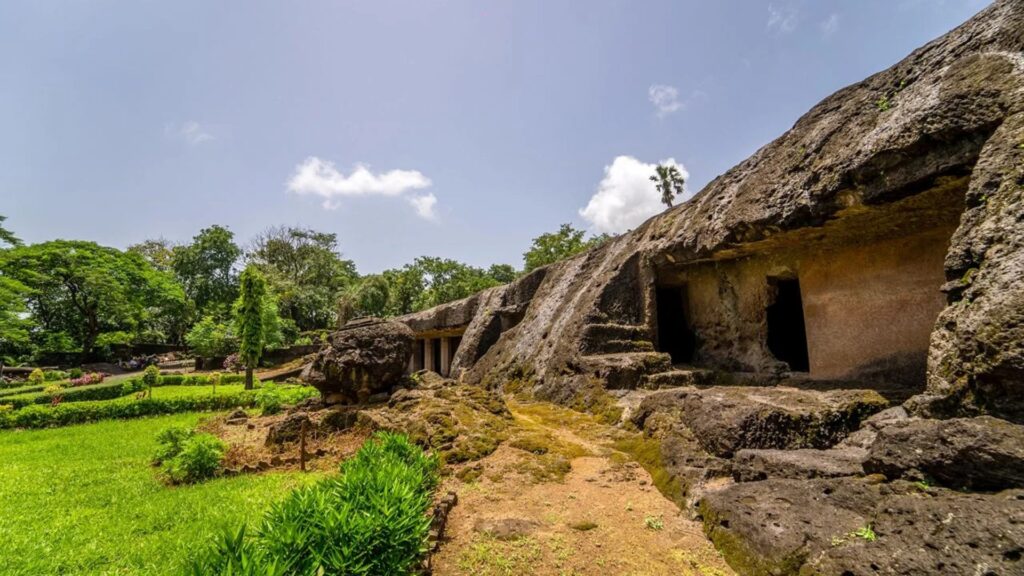
While they are far smaller and quieter than the city’s major cave complexes, their location right in the western suburbs makes it incredibly easy for you to squeeze a fascinating piece of ancient history into your modern Mumbai sightseeing.
- Location: Google Map
19. CSMT Heritage Museum
If Chhatrapati Shivaji Maharaj Terminus grabs your attention beyond its iconic Victorian Gothic facade, you should step inside the CSMT Heritage Museum. Located within the historic headquarters of Central Railway, it takes you behind the scenes of one of India’s most famous and busiest railway landmarks.
As you explore the galleries, you will discover rare brass lanterns, original architectural blueprints, vintage train models, and legacy equipment that tell the story of the Great Indian Peninsula Railway.
For anyone who appreciates the romance of rail travel, it gives you a much deeper, more personal connection to the living history beneath CSMT’s magnificent arches.
- Location: Google Map
20. Banganga Tank & Walkeshwar Temple Complex
You will find a side of Mumbai completely untouched by modern rush when you step onto Malabar Hill to explore the Banganga Tank and Walkeshwar Temple Complex.
As you walk down the ancient stone steps (ghats) surrounding this 12th-century rectangular water tank, you’ll notice the city’s chaotic noise instantly fading away, replaced by the soothing hum of temple bells and gentle water ripples. Surrounded by centuries-old shrines, quiet narrow alleys, and traditional priests’ homes, it truly feels as though you’ve stepped into a miniature Varanasi right in the heart of the metropolis.
You can spend a quiet morning here watching local devotees perform rituals, observing water birds along the stone steps, and experiencing a rare, intimate side of the city’s living heritage that most fast-paced itineraries completely miss.
- Location: Google Map
21. Dr Bhau Daji Lad Museum (Byculla)
If you want to step away from the usual tourist circuit and dive into the roots of Mumbai, you should make your way to Byculla to visit the Dr Bhau Daji Lad Museum.
As Mumbai’s oldest museum, originally established in 1872, stepping inside its doors feels like entering a grand 19th-century Victorian jewel box filled with gilded Palladian arches, ornate cast-iron columns, and polished teakwood displays.
As you wander through the exhibition halls, you will come across fascinating, hyper-detailed clay dioramas, miniature models, and rare maps that vividly showcase 19th-century Mumbai communities, traditional trades, and old-world daily life. It offers you an intimate, beautifully curated look at the city’s social history that you simply won’t find anywhere else.
- Location: Google Map
22: Kala Ghoda Art Precinct
Anyone who wants to experience the creative heartbeat of the city should spend a few hours wandering through the Kala Ghoda Art Precinct.
As you stroll past its charming Victorian and Gothic-style heritage buildings, you will find yourself surrounded by indie art galleries, open-air installations, vintage bookshops, and cosy boutique cafes.
You can step inside the iconic Jehangir Art Gallery or the National Gallery of Modern Art to admire work by leading Indian artists or simply admire the vibrant street murals that adorn the brick walls around every corner.
If you happen to visit in early February, you will even get to experience the world-famous Kala Ghoda Arts Festival, where the entire neighbourhood transforms into a buzzing, colourful street carnival of music, theatre, and art.
- Location: Google Map
When You Should Plan Your Visit to Mumbai: Best Time To Visit
From my own experience, I’d suggest planning your visit to Mumbai between October and February, when the city enjoys its most comfortable weather. With temperatures hovering pleasantly between 21°C and 32°C, you’ll find walking through South Mumbai, exploring outdoor landmarks, and relaxing along the coastline far more enjoyable.
Try to avoid the summer months March to May, as the temperature climbs up to 33°C–36°C, accompanied by intense coastal humidity. However, if you are looking for a budget-friendly Mumbai trip plan during this time, you can find better deals on accommodations. This is a time when you have to focus on indoor air-conditioned highlights like CSMVS, the Dr Bhau Daji Lad Museum, or the National Museum of Indian Cinema, while saving outdoor walks for early mornings or late evenings.
Mumbai receives heavy, torrential rainfall, particularly in July, with high humidity and occasional water-logging in low-lying areas. If you love the romance of the rains, Mumbai transforms into a vibrant green landscape. It is the best time to watch high waves crash along Marine Drive with a cup of cutting chai, or take weekend road trips into the misty Western Ghats (like Lonavala or Matheran). However, heavy downpours can occasionally cause travel disruptions for routine Mumbai sightseeing.
Mumbai Travel Tips That You Must Note Before Your Visit
Having visited Mumbai many times because of my aunt’s house, I have learnt that Mumbai is best experienced with some flexibility.
- Don’t underestimate travel time because Mumbai can look compact on a map, but traffic can make a short-looking journey surprisingly long.
- Start early for popular attractions as early mornings are particularly useful for outdoor landmarks and heritage areas.
- Rainfall in Mumbai can be intense, so waterproof footwear and a compact umbrella are genuinely useful.
- Local trains and the Metro can save considerable time on suitable routes, but avoid travelling during peak hours if you are unfamiliar with the system.
- Dress appropriately while visiting religious places, and check the visitor’s rule for photography.
- Always check current timings and entry fees before your visits. And for this, Maharashtra Tourism’s official website and the relevant attraction’s official source should be your final check before travelling.
Summary From My Own Experience: Why Mumbai Will Always Have a Special Place in My Heart
Having visited Mumbai numerous times over the years, I can honestly say that this is a city I never get tired of exploring. Every visit brings something new, whether it’s discovering a lesser-known heritage spot, revisiting my favourite waterfront, enjoying Mumbai’s street food or simply spending an evening watching the waves along Marine Drive.
What I love most about Mumbai is its incredible diversity. Within the same city, you can explore centuries-old caves, colonial architecture, temples, colourful markets, and more. There is always something waiting to be explored, no matter how many times you have visited.
If you’re visiting Mumbai for the first time, I would recommend spending at least 3–4 days exploring the city without rushing through its attractions. Try combining nearby places, start your sightseeing early, leave some room for spontaneous discoveries and, most importantly, don’t miss experiencing Mumbai after sunset. The city has a completely different charm when its waterfronts light up and the streets come alive.
Frequently Asked Questions About Places To Visit In Mumbai
1. How many days do I realistically need to explore Mumbai without feeling exhausted?
While you could cover the main highlights in 2 to 3 days, 4 full days is the ideal sweet spot. This lets you dedicate a full day to South Mumbai’s heritage, half a day for the Elephanta Caves ferry trip, a day for Bandra and modern cinema culture, and a day to explore northern highlights like Sanjay Gandhi National Park or the Global Vipassana Pagoda without constantly battling traffic.
2. Is it safe to travel in Mumbai as a solo traveller or with family?
Yes, Mumbai is widely regarded as one of the safest major cities in India, even late into the evening. Popular promenades like Marine Drive and Bandra Bandstand stay lively well past midnight. However, like any dense metropolis, you should keep your personal belongings secure in crowded markets (like Colaba Causeway) and avoid riding local trains during peak rush hours.
3. How should I get around Mumbai—cabs, auto-rickshaws, metro, or local trains?
- For South Mumbai (Colaba to Fort): Walking is best for short distances. Use meter-based yellow-and-black cabs (Kaali-Peeli) or app-based rides (Uber/Ola) since auto-rickshaws are not allowed in South Mumbai.
- For Suburbs (Bandra, Andheri, Borivali): Auto-rickshaws (metered) are quick and cheap for short trips.
- For Long Distances (South to North): The Mumbai Metro lines and AC local trains save massive amounts of time compared to sitting in road traffic. Just avoid travelling northbound between 5:00 PM and 8:30 PM, or southbound between 8:00 AM and 11:00 AM.
4. Can I skip Elephanta Caves if I’m already visiting Kanheri or Mahakali Caves?
If you are tight on time, yes. Mahakali Caves (in Andheri) is the easiest quick-fix tucked inside the city. However, Elephanta Caves is as much about the 1-hour breezy sea ferry ride across the harbour as it is about the monumental rock-cut Shiva sculptures. If you want a nature-meets-history vibe surrounded by a lush green forest, choose Kanheri Caves inside SGNP instead.
5. What is the dress code when visiting temples and dargahs like Siddhivinayak or Haji Ali?
Wear clothes that cover your shoulders and knees.
- At Haji Ali Dargah: You will need to cover your head (scarves are available near the entrance if you don’t bring one) and remove your footwear before entering the shrine.
- At Siddhivinayak Temple: Leather items (belts, wallets) are sometimes restricted in queue lines, so keep accessories minimal.
6. Is Mumbai’s street food safe to eat for first-timers?
Yes, but be smart about where you eat. Look for stalls that are heavily crowded with locals—a high turnover means the food is freshly prepared. Stick to cooked, piping-hot dishes like Vada Pav, Pav Bhaji, and fresh Dosas. If you have a sensitive stomach, skip ice in drinks and avoid unpasteurised dairy or uncooked chutney water (Pani Puri) at unhygienic roadside setups.
7. What happens if I visit Haji Ali Dargah during high tide?
The narrow causeway connecting Haji Ali to the mainland gets completely submerged by seawater during high tide, making it impassable and unsafe. Always check the daily high tide timings online or ask your hotel concierge before walking down the causeway.
8. Should I visit Mumbai during the monsoon season (June to September)?
Only if you enjoy heavy rainfall and atmospheric grey sea skies! While the Western Ghats (like Lonavala and Matheran) turn incredibly lush and green, heavy downpours in July can flood low-lying streets, delay local trains, and cancel sea ferries (including the boat to Elephanta Caves). For seamless sightseeing, October to February is far better.
9. Can I visit Sanjay Gandhi National Park and Kanheri Caves on a bicycle?
Yes! Renting a bicycle at the main gate of Sanjay Gandhi National Park is one of the best ways to explore the green canopy route leading up to Kanheri Caves (approx7 km uphill). Arrive early in the morning (around 7:30 AM–8:30 AM) to secure a good bike before rentals run out on weekends.
10. Do I need to book entry tickets in advance for museums like CSMVS or Dr Bhau Daji Lad?
For individual travellers, advance online booking is generally not required; you can buy tickets directly at the counter upon arrival. However, remember that most public museums (including CSMVS and Dr Bhau Daji Lad) are closed on Mondays, so plan your weekly schedule accordingly.
11. What is the best time of day to walk around South Mumbai’s heritage district?
Early morning between 6:30 AM and 9:00 AM. The streets around CSMT, Fort, and Kala Ghoda are peaceful, traffic is minimal, the morning light is ideal for photography, and the colonial architecture stands out clearly before the commercial rush begins.