
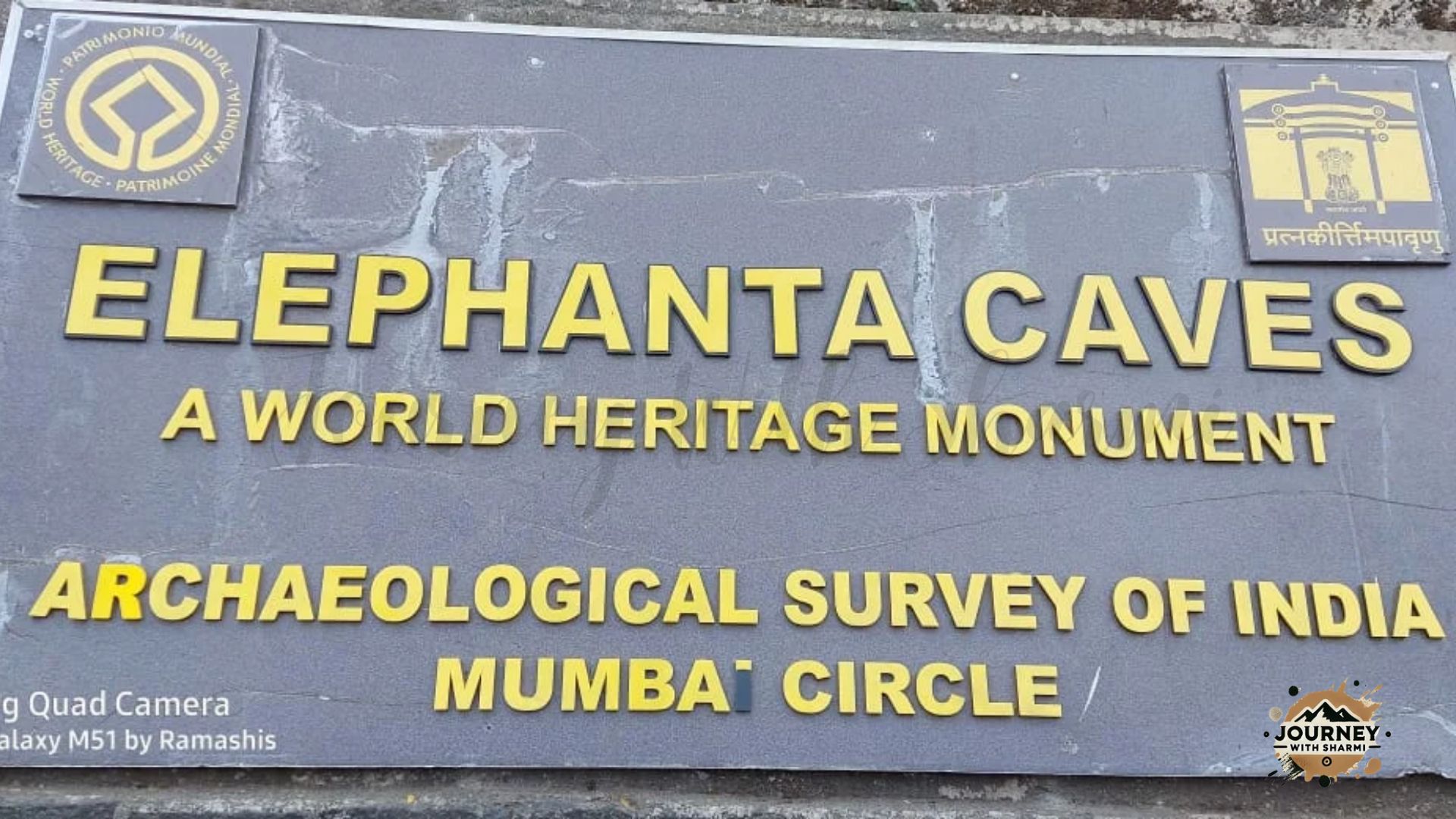
Elephanta Caves, Mumbai: An Ancient Rock-Cut Temple, Secrets of Lord Shiva
Visiting Mumbai, or rather, exploring it, never feels the same to me; it has always been special to me, no matter how many times I return. Since my aunt lives here, I’ve visited Mumbai countless times, yet Mumbai always seems to have something new waiting to be discovered. Whether it is a hidden corner, a different perspective, or a memorable experience, the city never fails to make me fall in love with it all over again. One such experience was my visit to Elephanta Caves, an amazing ancient rock-cut temple tucked away on an island in Mumbai Harbour.
Completely away from the city’s busy life roads and local train routes, the Elephanta Caves offer a different side of Mumbai, shaped by centuries of history, remarkable craftsmanship, and spiritual significance. It always reminds me that even in a city I know so well, there are still stories waiting to unfold, sometimes just a ferry ride away.
Now, you may think, why was visiting Elephanta Caves different from a typical Mumbai sightseeing trip for me? I can say it is that you cannot simply drive up to the monument. You need to travel by ferry from the Gateway of India, reach Elephanta Island, and make your way towards the caves on foot.
Here, I’ve brought together the important details about my visit to Elephanta Caves in Mumbai, including the history, details of all seven caves, Canon Hill and Stupa Hill, ferry arrangements, entry details and more. So, let’s begin.
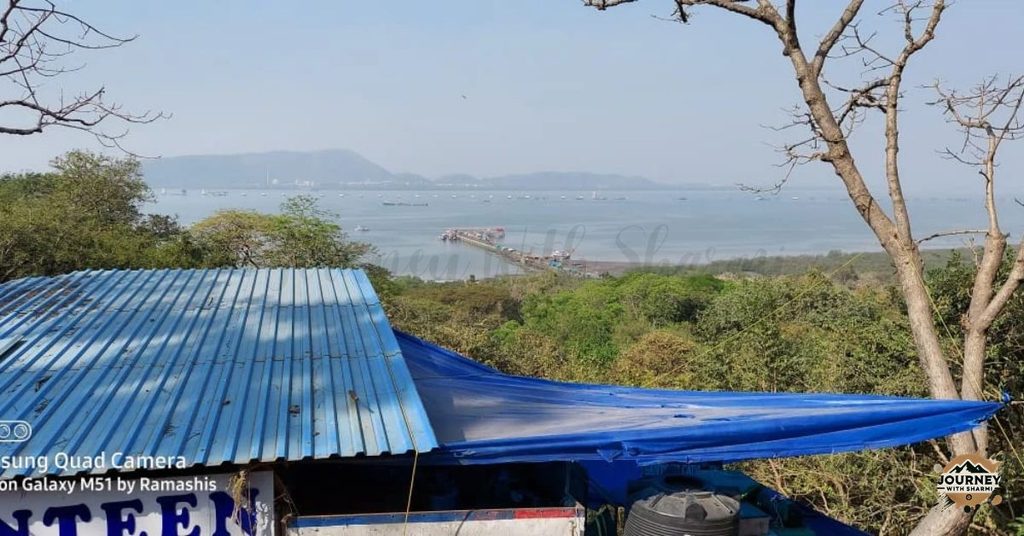
Elephanta Caves Visitor Guide That You Must Note
- Location: Elephanta Island (Gharapuri), Mumbai Harbour, Maharashtra, India
- Nearest Landmark for Ferry Access: Gateway of India
- Nearest Railway Stations For Reaching The Gateway Of India Area: Chhatrapati Shivaji Maharaj Terminus (CSMT) and Churchgate, depending on your travel routes.
- Historical Period: The principal rock-cut caves are generally dated to around the 5th–6th centuries CE, although official descriptions sometimes give a broader 5th–7th-century range.
- Main Deity: Lord Shiva
- UNESCO Recognition: Inscribed on the World Heritage List in 1987
- Main Attractions: Great Cave, Trimurti sculpture, Shiva lingam shrine and other mythological panels
- How To Reach: Passenger ferry from the Gateway of India
- Time Required: Half of the day; approximately 5–6 hours for the overall trip from Mumbai, depending on ferry queues and the time you spent on the island.
- Elephanta Caves Toy Train Ticket Price: Approximately INR 10 per person for a return journey, when I visited. Please check the official information to see if any recent changes are there.
- Elephanta Caves Entry Ticket: The cave entry fee and the ferry fare are separate expenses. Indian, SAARC & BIMSTEC Citizens: INR 40; Foreign Visitors: INR 600; Children (Under 15): Free; Still Camera: Free; Video Camera: INR 25
- Elephanta Caves Opening Hours: Tuesday to Sunday from 9.00 am to 5.00 pm or 5.30 pm
- Weekly Closing Day: The caves remain closed on Monday, according to published visitor information; confirm the current schedule before travelling.
Stepping Inside The Ancient Rock-Cut Architecture, Walk Towards The Ancient Elephanta Caves
My journey started at the Gateway of India, from where you’ve to board a ferry to Elephanta Island, also known as Gharapuri. The boat ride across Mumbai Harbour is an important part of this visit. Actually, Elephanta Island offers a different setting from the busy urban landscape of Mumbai.
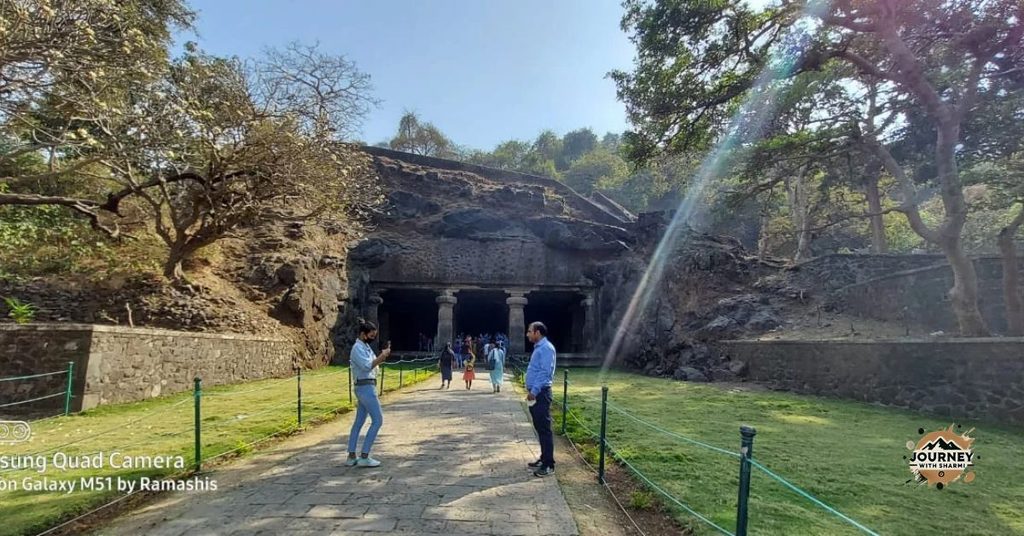
Once you reach the island’s jetty, next just make your way towards the cave complex by climbing a set of steps. Although there is also a toy train available; you can ride it if you prefer not to walk. The route is lined with local stalls selling refreshments and souvenirs.
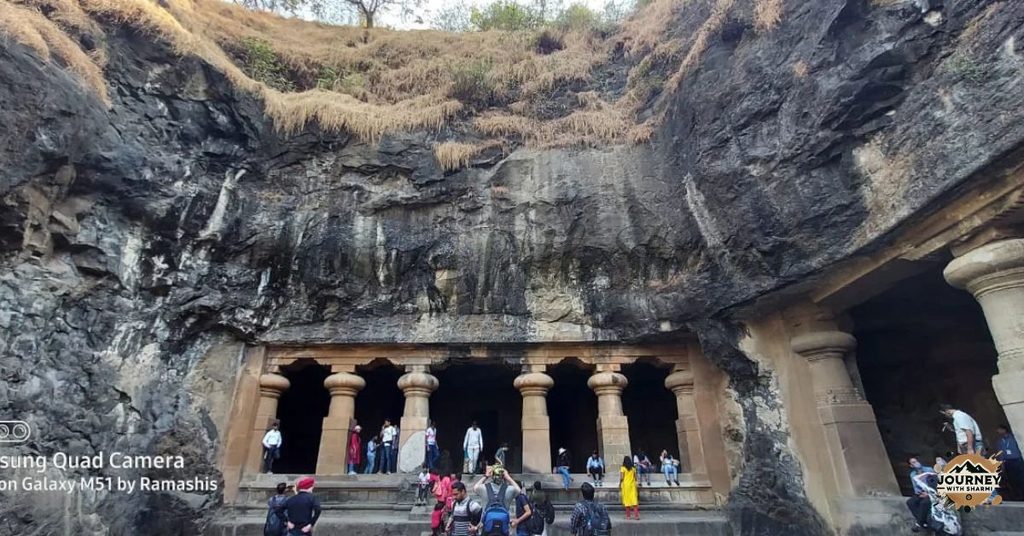
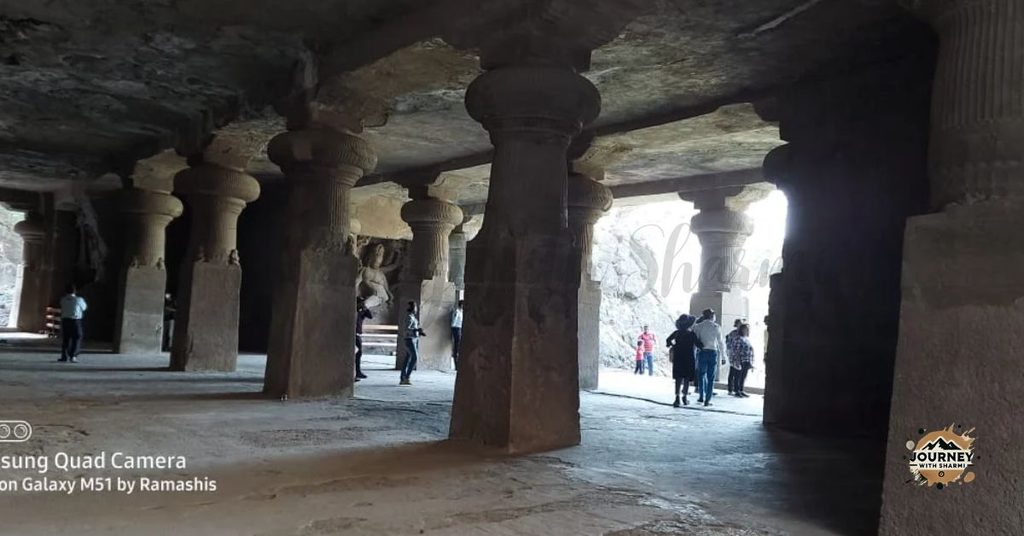
Stepping inside the main cave, the sheer scale of the rock-cut architecture completely blew me away. It’s hard to fathom, but the whole structure was hand-carved straight out of solid basalt. You may wander to know that every single pillar, chamber, and detailed sculpture is part of the exact same rock. Instead of building something up piece by piece with separate stones, the ancient sculptors created this incredible space simply by carving away everything that didn’t belong.
While most people come specifically to see the world-famous three-faced architecture of Lord Shiva—and it truly is breathtaking. I’d really encourage you to take your time and explore the rest of the cave. The surrounding panels bring so many fascinating stories from Hindu mythology to life, offering a much richer glimpse into the deep spiritual and artistic traditions that shaped Elephanta.
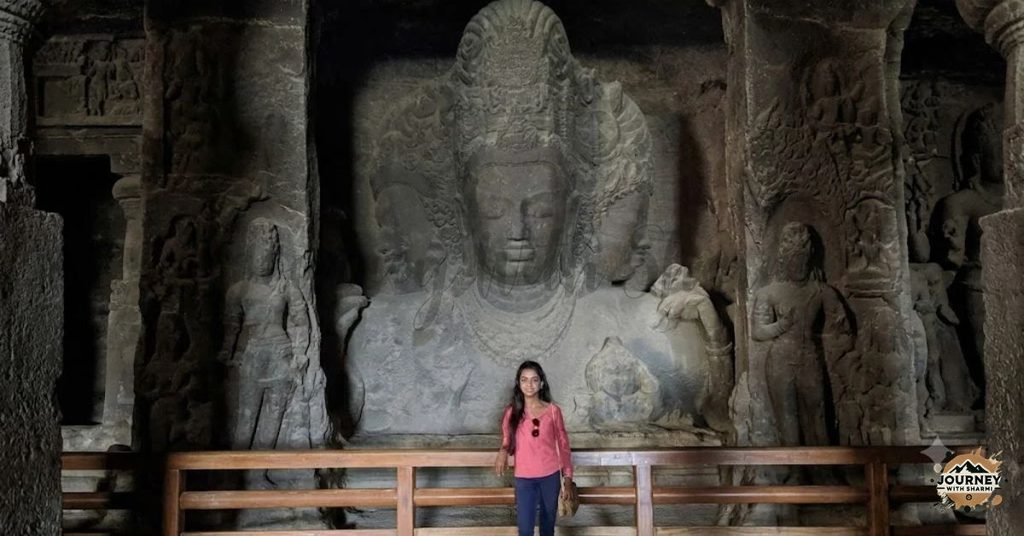
What I love most about visiting the Elephanta Caves is the whole experience. The scenic boat trip out to the island, marvelling at the ancient rock-cut architecture, and connecting with a piece of history that still holds such a special place in India’s heritage.
If you are planning a Mumbai itinerary, you must set aside a full half-day for the Elephanta Caves trip. It’s definitely not something you want to rush through in a jam-packed Mumbai sightseeing schedule! .
My Travel Tip: It’s true that Elephanta island is relatively close to Mumbai, but it is important for you to make an organised plan as per your time because you need to take a ferry to reach.
A Brief History of Elephanta Caves
To truly appreciate Elephanta, you’ve to look beyond its breathtaking views—its rich history is what gives this island its soul.
Long before it became known as Elephanta, locals called it Gharapuri, which roughly translates to the “City of Caves”. Archaeological finds show that people lived on this island long before the famous rock-cut temples were ever carved.
The magnificent main cave complex came to life during the first millennium CE, deeply rooted in Shaivism—the tradition dedicated to Lord Shiva. Every pillar, chamber, and grand sculpture was built to reflect the deep spiritual beliefs and extraordinary artistic mastery of the time.
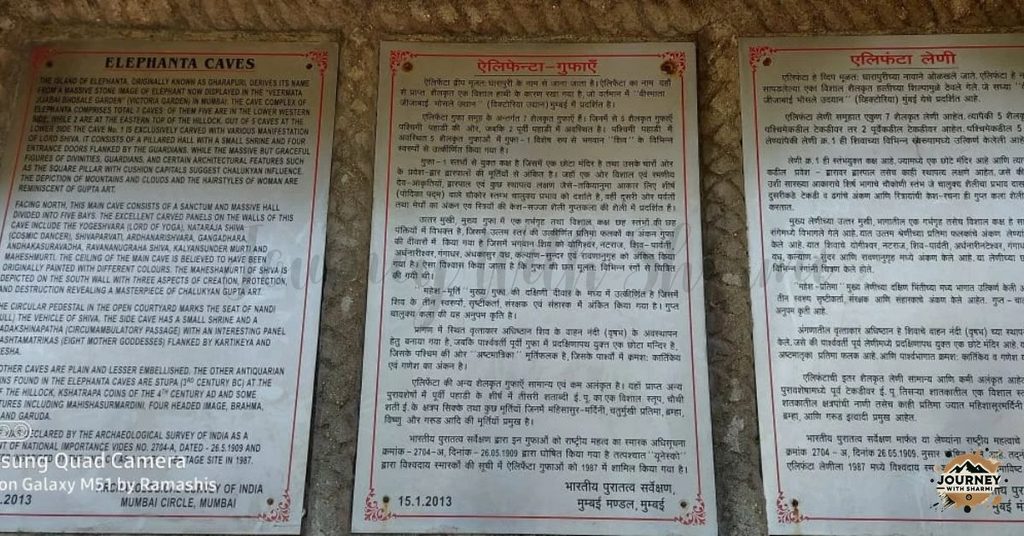
What I find so intriguing is that the exact origin story remains a bit of a mystery. Scholars still debate who funded the project and precisely when it was built, so it’s best understood as a masterpiece of the early mediaeval period rather than the work of just one ruler.
Sadly, time hasn’t been entirely gentle to the Elephanta Caves complex. Over the centuries, several sculptures were defaced, and sections fell into ruin. The island gained its current name later, during the Portuguese era, after colonisers spotted a massive stone elephant sculpture near the shore.
Today, walking through these halls feels like stepping into a preserved piece of human genius. Recognised in 1987 as a UNESCO World Heritage Site, the caves are celebrated worldwide for their incredible rock-cut architecture and the seamless way art, sculpture, and space come together to create a profoundly sacred realm.
Exploring the Two Sides of Elephanta: Canon Hill and Stupa Hill
Before you set foot on the island, it’s really helpful to understand how Elephanta is laid out. The island is essentially split into two main hills: Canon Hill (sometimes spelt Cannon Hill) to the west and Stupa Hill to the east. Knowing the difference between the two will help you make the most of your time.
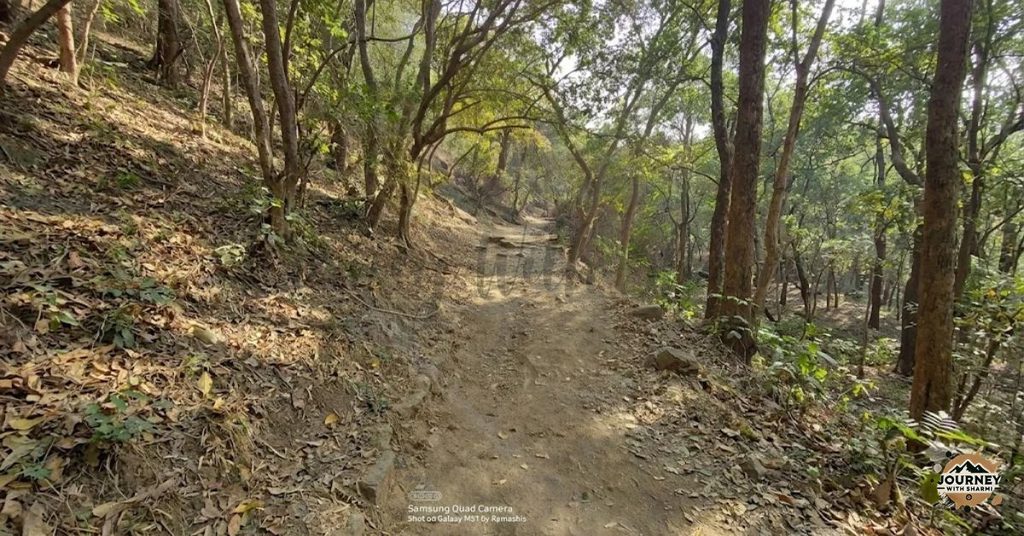
Canon Hill (The Main Event)
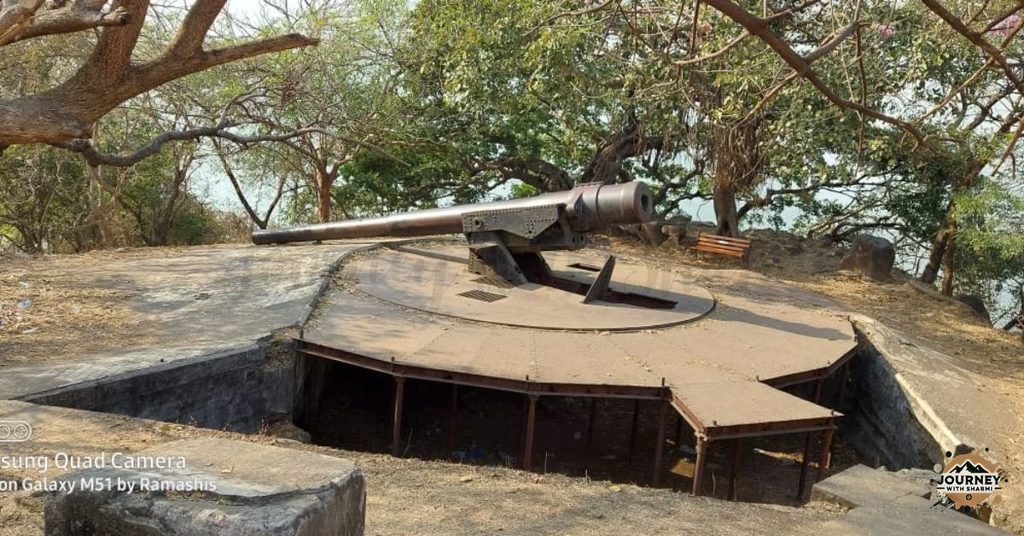
In this western hill, you’ll find the five principal Hindu caves, including the legendary Great Cave (Cave 1) with the iconic Trimurti sculpture, the Shiva lingam shrine, and those grand mythic relief panels. Its modern name actually comes from the old colonial-era cannons left sitting on the hilltop.
My Travel Tip: If you’re on a tight schedule or visiting Elephanta for the first time, this is the hill to prioritise. It holds the major artistic highlights that most travellers come to see.
Stupa Hill (Off the Beaten Path)
Over on the eastern side, Stupa Hill offers a completely different vibe. Here, you’ll find ancient Buddhist remains, including the ruins of a stupa and two smaller, simpler caves. While these ruins aren’t as visually dramatic or intricate as the main Hindu cave complex, they tell a fascinating story about the island’s layered religious history beyond Shaivism.
My Travel Tip: If you’ve extra time to spare and the trails are accessible, it’s well worth taking the walk over. It adds a whole new dimension to the island’s history and gives you a much fuller picture of what Elephanta used to be.
Exploring All Seven Elephanta Caves
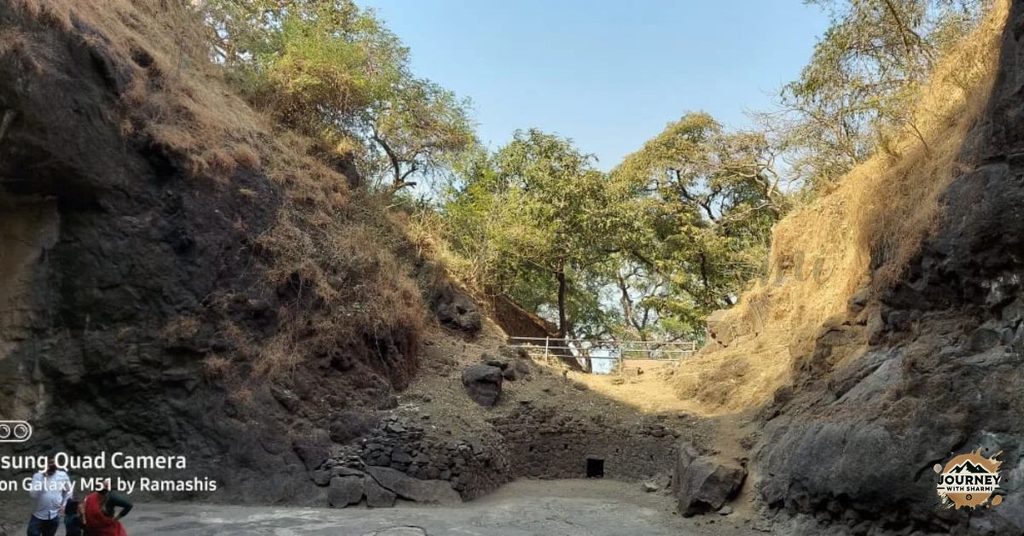
The Elephanta archaeological complex is commonly described as having seven caves across its two principal groups: five Hindu caves on the western hill and two smaller caves on the eastern hill.
Not all the caves are equally elaborate or well preserved. However, Cave 1 is the most important attraction, while the smaller caves provide additional architectural and archaeological context.
Cave 1: The Great Cave
Stretching nearly 39 metres deep into solid basalt, Cave 1 is the largest and most celebrated cave at Elephanta. You can find here the monumental rock-cut temple dedicated to Lord Shiva, featuring pillared halls, subsidiary chambers, and a separate shrine containing a Shiva lingam.
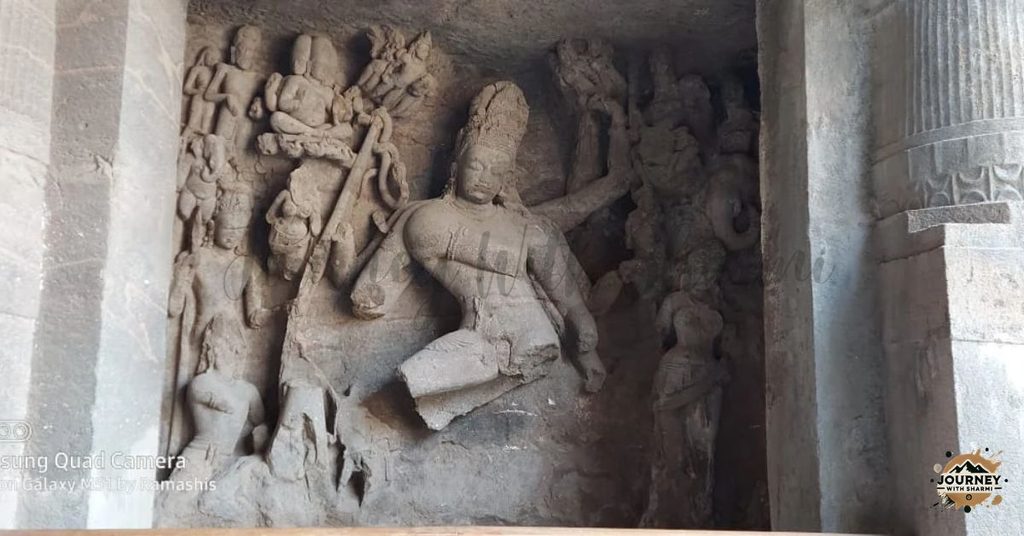
What makes this cave exceptional is how its pillars divide the interior into an organised, sacred space while monumental relief panels tell profound mythic stories:
- Trimurti (Sadashiva): Standing seven metres tall, this iconic three-faced sculpture is the central highlight. It depicts Shiva’s peaceful, fierce, and creative dimensions. Standing in front of its sheer scale and quiet serenity was an unforgettable moment for me.
- Nataraja (Shiva as the Cosmic Dancer): Captures Shiva mid-dance, evoking fluid movement and the continuing cycle of creation and transformation out of rigid stone.
- Ardhanarishvara: A striking half-male, half-female figure representing Shiva and Parvati merged into one body, symbolising the harmony of masculine and feminine principles.
- Gangadhara (Descent of the Ganges): Illustrates the dramatic myth where Shiva uses his matted hair to cushion the terrifying fall of the River Ganges as it descends from heaven to Earth.
- Kalyanasundaramurti: A detailed, heartwarming panel depicting the divine wedding ceremony of Shiva and Parvati.
- Yogishvara: Portrays Shiva in deep meditation as the master of yoga and spiritual discipline—a wonderful, calm contrast to the dynamic Nataraja panel.
- Andhakasuravadha: A forceful, dramatic panel showing Shiva defeating the demon Andhaka, revealing his protective and fierce aspect.
- Ravananugrahamurti: Depicts the demon king Ravana attempting to shake Mount Kailash before being effortlessly subdued by Shiva.
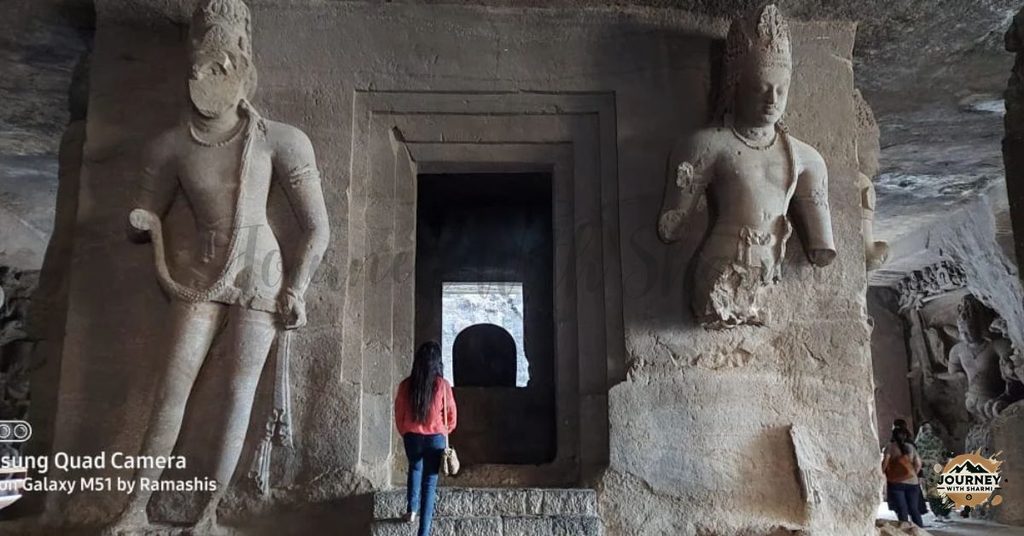
My Personal Advice: Don’t just snap a photo of the Trimurti and rush off. Take your time wandering through the pillared hall and side shrines. The architecture was designed as an immersive spiritual journey, not just an art gallery.
Cave 2: An Unfinished Rock-Cut Cave
Located on the western hill near the Great Cave, Cave 2 is much smaller and less elaborate. Large portions of its interior structure remain unfinished.
When I walked past, I noticed that the entrance and front pillars have undergone modern conservation and restoration work. While it doesn’t feature the monumental sculptures found in Cave 1, exploring it gave me a fascinating glimpse into the early stages of ancient rock-cut engineering.
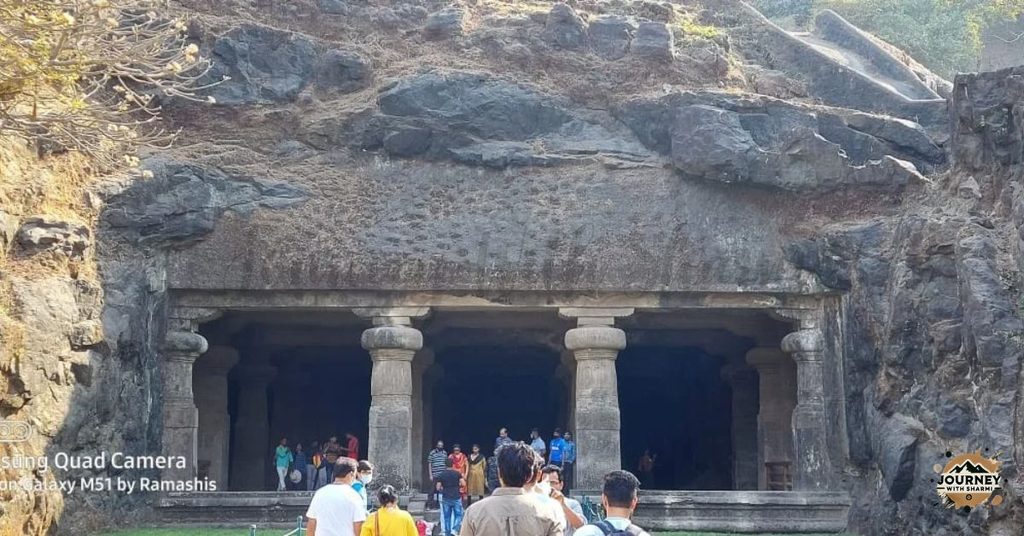
Cave 3: The Pillared Cave
Also situated on the western hill, Cave 3 features a pillared portico that opens into a central interior hall. Though parts of the pillars, chambers, and shrine remain, I found I could still easily trace its original layout.
I felt this cave was well worth a look because it shows how the same fundamental architectural principles used in the Great Cave were applied to smaller worship spaces across the island.
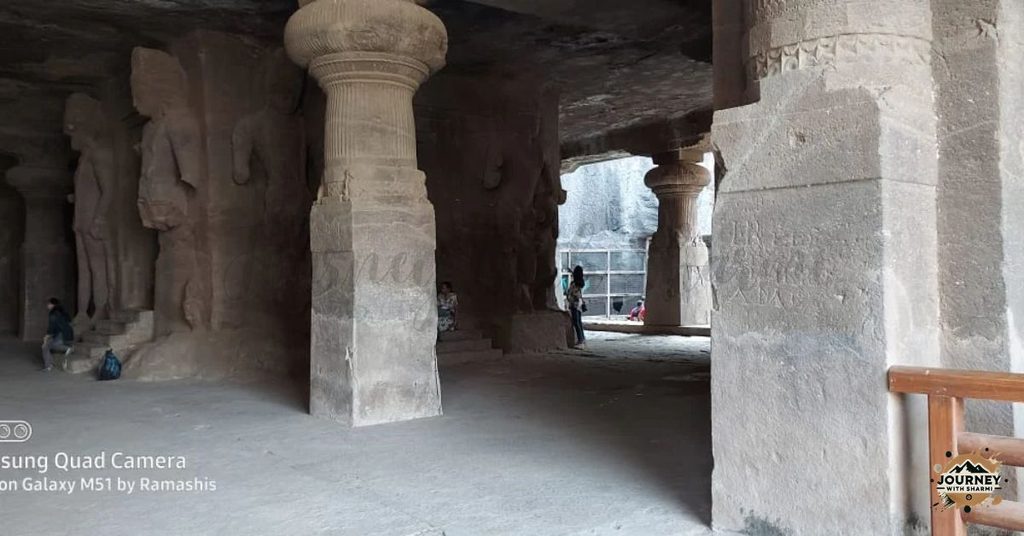
Cave 4: The Damaged Cave
Cave 4 is in a considerably weathered condition, but surviving remnants of a shrine inside indicate that it was also built for Shiva worship.
Unlike Cave 1, Cave 4 does not feature well-preserved sculptural panels. When visiting this cave, I kept my expectations grounded—its true value, to my mind, lies in the archaeological evidence it provides about how extensive the temple complex on the western hill once was.
Cave 5: The Unfinished Cave
Cave 5 is a rough, largely incomplete excavation on the western hill that has suffered heavy damage over the centuries. It lacks the elaborate carving and decorative work that made Cave 1 famous.
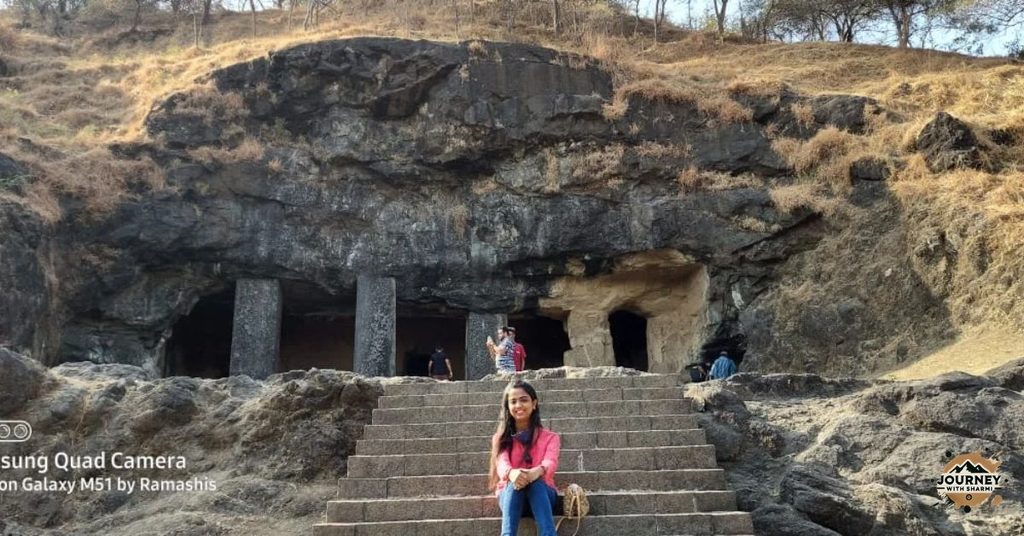
For me, Cave 5 served as a quiet reminder that the Elephanta complex wasn’t built all at once, nor did every site reach completion. It represents an unfinished chapter in the island’s history (always respect local site barriers and avoid entering restricted areas).
Cave 6: A Window into Buddhist History
Moving over to Stupa Hill on the eastern side, Cave 6 belongs to a completely different group of remains. This modest cave is associated with early Buddhist history, surrounded by ancient stupa ruins and water cisterns.
This cave is very simple compared to the Great Cave and contains no monumental Shiva panels. However, walking out here added a whole new layer to my trip, showing me that Elephanta was once a sanctuary shared across multiple spiritual traditions.
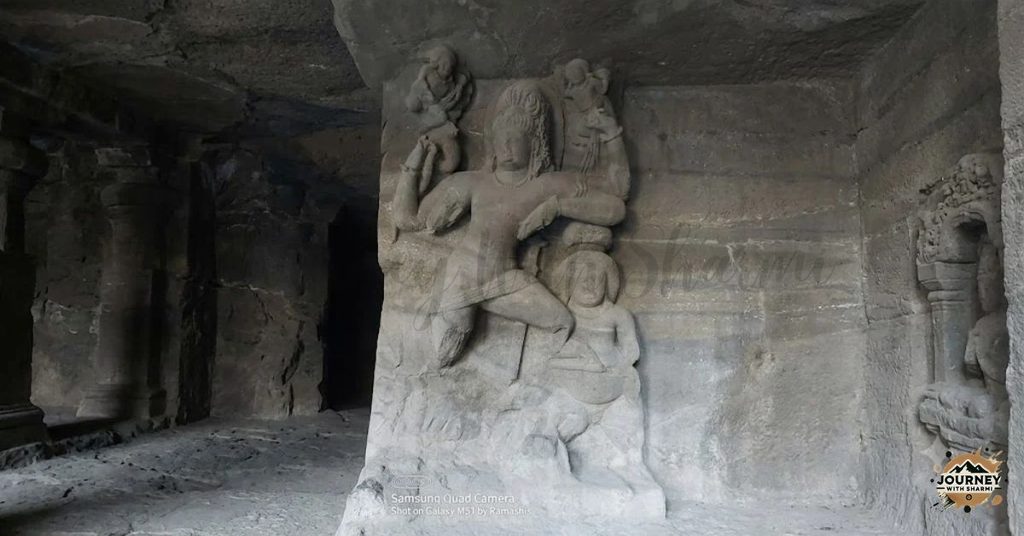
Cave 7: The Eastern Hill Shrine
Cave 7 is the second cave located in the eastern group on Stupa Hill. Like Cave 6, it is far less elaborate than the main Hindu complex and shows significant wear from time.
While you won’t find large, preserved relief sculptures here, I found that Cave 7 neatly rounds out the archaeological picture of the eastern ridge. Together with Cave 6, it helped me appreciate Elephanta not just as a single famous temple but as an entire historical landscape.
Which cave should you prioritise? If you’re visiting Elephanta Caves for the first time, start with Cave 1, the Great Cave. It contains the most important sculptures and the principal architectural features. The other caves add context if your time and access arrangements allow.
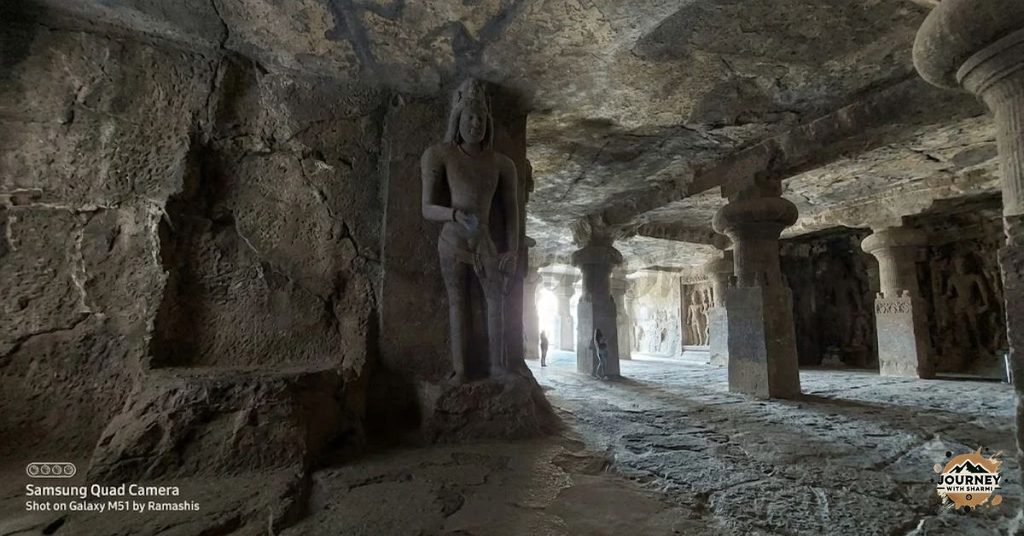
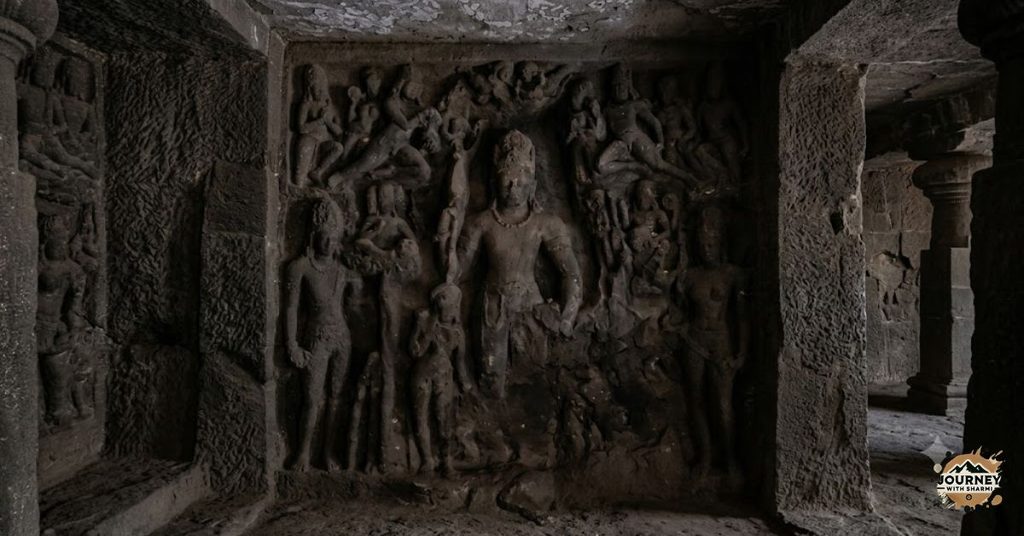
How You’ll Reach Elephanta Caves From Mumbai
You can reach the Elephanta Caves from Mumbai by ferry from the Gateway of India; as the caves are on an island, there is no direct road access to the monument.
Taking The Ferry From The Gateway Of India
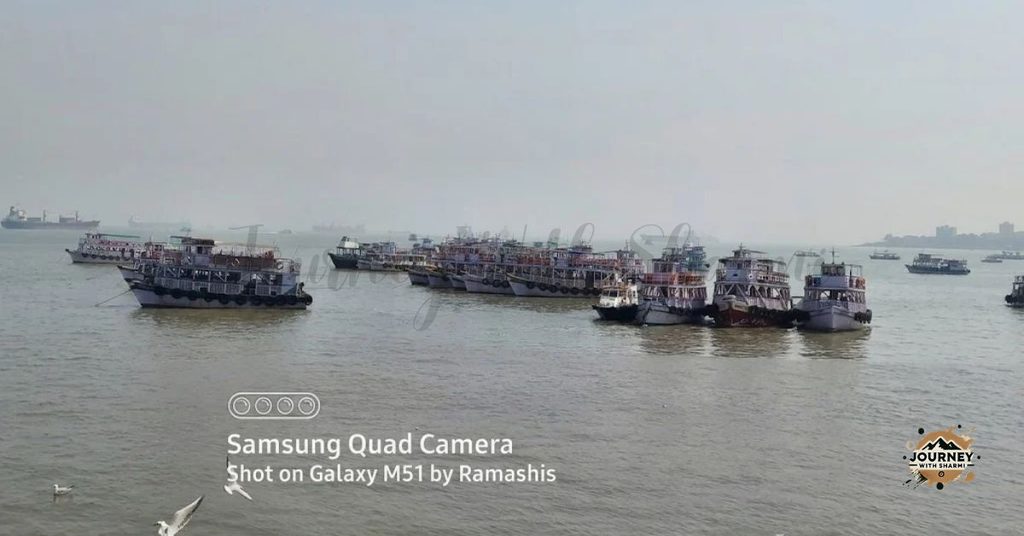
It is your main departure point to reach Elephanta Caves. So, depending on where you start in Mumbai, you can easily reach the Gateway by taxi, app-based cab, or public transport.
Once you arrive, simply follow the signage or ask around for the Elephanta ferry counters. In my experience, the journey takes about one hour each way, though timing can vary depending on sea conditions and the boat operator.
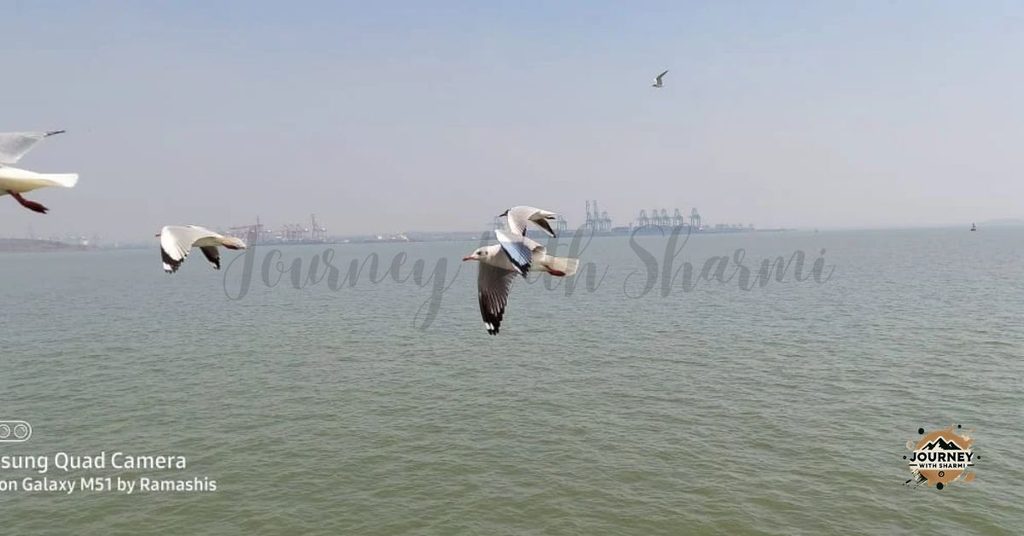
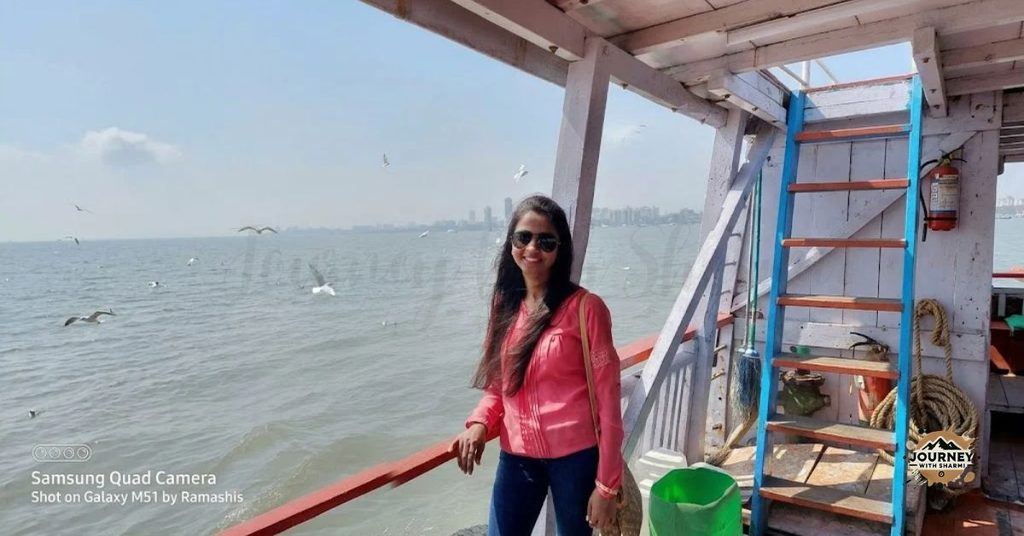
As the ferry pulls away, you’ll enjoy incredible views of Mumbai’s skyline and waterfront across the harbour.
A Quick Checklist Before You Board The Ferry:
- Check The Timetable: Always verify the departure and return schedules for the day.
- Confirm Your Ticket: Make sure your ticket covers the round trip.
- Plan For Queues: Set aside extra time for line-ups and boarding.
- Watch The Weather: I always check local weather reports for unexpected sea disruptions.
- Buffer Your Time: Don’t schedule a flight or train immediately after your expected return.
Reaching the Gateway by Train
If you prefer travelling by rail, I recommend using Chhatrapati Shivaji Maharaj Terminus (CSMT) or Churchgate Station, depending on which line you are on.
From either station, you can take a quick taxi or a pleasant walk down to the Gateway of India. Just make sure you leave plenty of extra time if you’re travelling during peak rush hours!
The Final Stretch: From the Jetty to the Caves
Once your ferry docks at Elephanta Island, you still have a short journey to reach the main cave complex.
- The Toy Train: Right off the jetty, you’ll see a small toy train. I personally recommend taking it if you want to save your energy for the main climb.
- The Walk & Climb: Keep in mind that the train doesn’t take you all the way to the top. You’ll still need to climb a long staircase lined with local vendors selling snacks, crafts, and souvenirs.
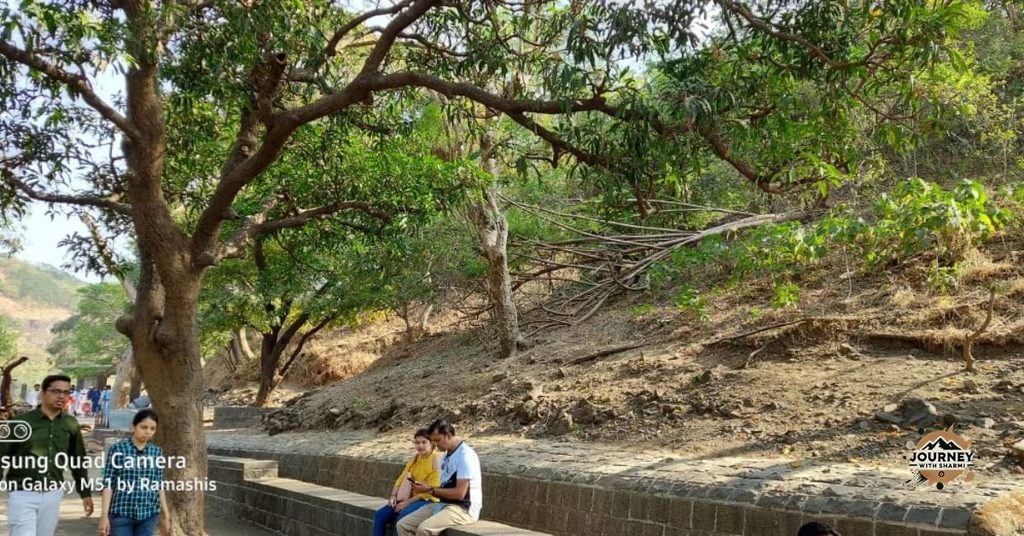
- Pacing Yourself: In hot or humid weather, the climb can get quite tiring. I advise you to take breaks whenever you need to and stay hydrated.
Best Time to Visit Elephanta Caves
If you’re planning a trip to Elephanta, timing can make all the difference. Since the journey involves a ferry ride and climbing a fair number of steps, I always recommend aligning your visit with Mumbai’s milder months, so you aren’t fighting the heat.
Winter (November to February)
This time is always my favourite for visiting Elephanta Caves, as the air is cooler, and the sea breeze feels refreshing rather than sticky. You’ll find the walk from the jetty and the climb up the stairs much more enjoyable in this weather.
My Travel Tip: Weekends draw large crowds, so I suggest taking an early morning ferry on a weekday if you want to explore the sculptures at a relaxed pace without the noise.
Summer (March to May)
Summer in Mumbai gets intense, and the humidity can make the uphill walk feel quite taxing, especially around noon. If you visit during these months, make sure you carry plenty of water, wear light cotton clothing, and pack sunscreen and a hat.
My Travel Tip: Try to hit the island as early in the morning as possible to finish your climb before the midday sun peaks.
Monsoon (June to September)
During this time, the island turns lush and green during the rains, which looks beautiful from the water. However, the monsoon brings its own set of challenges, like the stone steps getting slick and choppy seas often disrupting or delaying the ferry services.
My Travel Tip: Always check the morning weather forecast and double-check if the Gateway ferries are running before heading to the jetty. Because the ferry services from Mumbai to Elephanta Island are frequently suspended or interrupted during heavy rains, rough seas, and high tides during peak monsoon months.
How Much Time Is Required to Visit Elephanta Caves?
Allow approximately 4–6 hours for visiting Elephanta Caves from Mumbai, including the return ferry journey and time spent on the island. This is a planning estimate, not a fixed duration.
A typical visit involves:
- Travelling to the Gateway of India and boarding the ferry.
- Allowing roughly one hour for the outward boat journey.
- Taking the visitor train if desired, followed by the walk and staircase.
- Spending around 1.5–3 hours exploring the caves, depending on your interests and walking pace.
- Allowing roughly one hour for the return ferry.
- Keeping additional time for queues, waiting periods and unexpected delays.
If you are particularly interested in history, sculpture or architecture, you may want to spend longer exploring the Great Cave and the other accessible remains. Always, avoid scheduling another activity too tightly after your expected return to Mumbai.
Points You Must Note Before Your Visit to Elephanta Caves
Here are a few practical things I’ll always suggest to everyone who’s thinking to make the visit smooth and comfortable:
- Wear Sturdy, Comfortable Footwear: Try to wear shoes with good grip, as the paths can get surprisingly slick in damp weather and you’ll have to do plenty of walking.
- Stay Hydrated: Between Mumbai’s humidity and the uphill stretch, you’ll want water on hand. Don’t rush—take short breaks along the path whenever you need to catch your breath.
- Pack Sun Protection: The ferry ride and parts of the island walk offer very little shade. A broad-brimmed hat, sunglasses, and sunscreen will keep you protected during the sunniest hours.
- Travel Light: A small, lightweight backpack is much easier to manage while boarding the ferry, riding the toy train, or navigating the staircase.
- Keep An Eye Out For Monkeys: The local macaques along the trail are fast and curious! I suggest keeping food items, juice bottles, and loose items tucked away inside your bag and avoiding feeding or approaching them.
- Respect The Heritage: These rock-cut sculptures are ancient, protected treasures. Please refrain from touching, leaning on, or climbing the carvings so they remain preserved for future visitors.
- Carry Enough Cash Alongside Digital Payments: While many vendors accept UPI or cards, network connectivity on the island can be spotty. Keeping some cash on you is a smart backup for quick purchases.
- Mind The Photography Guidelines: Standard handheld photography is fine, but look out for posted signs regarding tripod use or commercial filming rules inside the main caves.
Summary From My Own Experience: Is Visiting Elephanta Caves Worth It?
If you love to explore ancient architecture, rich history, or simply want to experience a side of Mumbai that feels worlds away from its bustling city streets, my short answer is yes. This place is absolutely worth your Mumbai trip.
For me, the charm of Elephanta goes far beyond standing in front of the legendary Trimurti sculpture. It is the entire journey that makes it special, from the breezy hour-long ferry crossing starting at the Gateway of India to arriving at the relaxed island setting, stepping into the cool pillared halls, and taking in the intricate stone panels carved centuries ago. That is what makes visiting Elephanta Caves in Mumbai worthwhile: it is an opportunity to step away from the pace of the city and discover a remarkable part of India’s cultural heritage.
I always recommend this trip both to first-time visitors looking for an iconic day trip and to travellers who have already seen Mumbai’s major urban landmarks and want a deeper look into the region’s historical roots. However, before you add it to your itinerary, I think it is essential to understand what the physical trip actually involves.
☛ Also Read:
- Top 10 Best Budget Backpacking Destinations in India for Every Travel Style
- Mysore Palace, A Journey Through Karnataka’s Royal Heritage
- Inside the India’s First Cat Museum, Jin Min Cat World
- Eco-Tourism Destinations in South India
- Dudhsagar Waterfalls Trek to the Top, An Unforgettable Western Ghat Adventure
Frequently Asked Questions About Elephanta Caves
1. Are Elephanta Caves suitable for children and older visitors?
Families can visit, but the approach involves walking and climbing steps. So, older visitors and anyone with mobility limitations should consider the physical demands and check accessibility arrangements before travelling.
2. Can I visit Elephanta Caves during the monsoon?
A monsoon visit may be possible, but rain can make pathways slippery, and rough seas can disrupt ferry services.
3. Are Elephanta Caves and the Gateway of India close to each other?
The Gateway of India is the main ferry departure point for Elephanta Island. The boat journey generally takes around one hour each way, so the two attractions are connected by ferry rather than by a walkable route.
4. What should I carry for a visit to Elephanta Caves?
Carry drinking water, sun protection, comfortable walking shoes, a small bag and enough cash. During the monsoon, take extra care on wet steps and pathways.
5. Can I stay overnight on Elephanta Island?
No, overnight stays are not permitted for tourists on the island, and you must return on the evening ferries back to Mumbai. The last ferry usually leaves Elephanta Island around 5:30 PM, so make sure you are back at the jetty well before then to avoid missing the boat.
6. Do I need to hire a guide, or can I explore the caves on my own?
While you can walk through the caves independently, hiring a licensed local guide at the cave entrance (usually costing between ₹500 and ₹800) adds immense value. Without a guide or a detailed guidebook, the caves look like impressive carved rock structures. But a guide helps explain the complex Hindu iconography, the stories behind panels like the Trimurti and Ardhanareshwara, and the history of how the island was named by the Portuguese.
7. Are digital payments like GPay or Paytm reliable on the island?
No, do not rely on UPI or credit cards once you leave the Mumbai mainland. Mobile network signals drop significantly near the caves and inside the stone halls, causing digital transactions to fail frequently. It is best to carry around INR 1,000 to INR 1,500 in physical cash (preferably in smaller notes like INR 20, INR 50) for ferry tickets, toy train fare, snacks etc.
8. Can I buy food and drinks on the island, or should I pack my own lunch?
You don’t need to carry heavy food supplies. The trail leading up to the caves is lined with stalls selling chilled bottled water, fresh tender coconut, soft drinks, and light snacks. There are also simple local restaurants near the top and a MTDC (Maharashtra Tourism) restaurant near the cave entrance offering proper meals.
9. Are the monkeys on Elephanta Island aggressive?
The local macaques are used to tourists, but they are opportunistic. They generally won’t bother you unless they see food, plastic bags, or drink bottles. To avoid any issues, keep all snacks, fruit, and plastic water bottles tucked inside your backpack rather than carrying them in your hands or open side pockets.



Pingback: Mysore Palace History, Guide, Attractions, Timings, Entry Fee
Satyaki
Wow! This is a gold mine of information.