
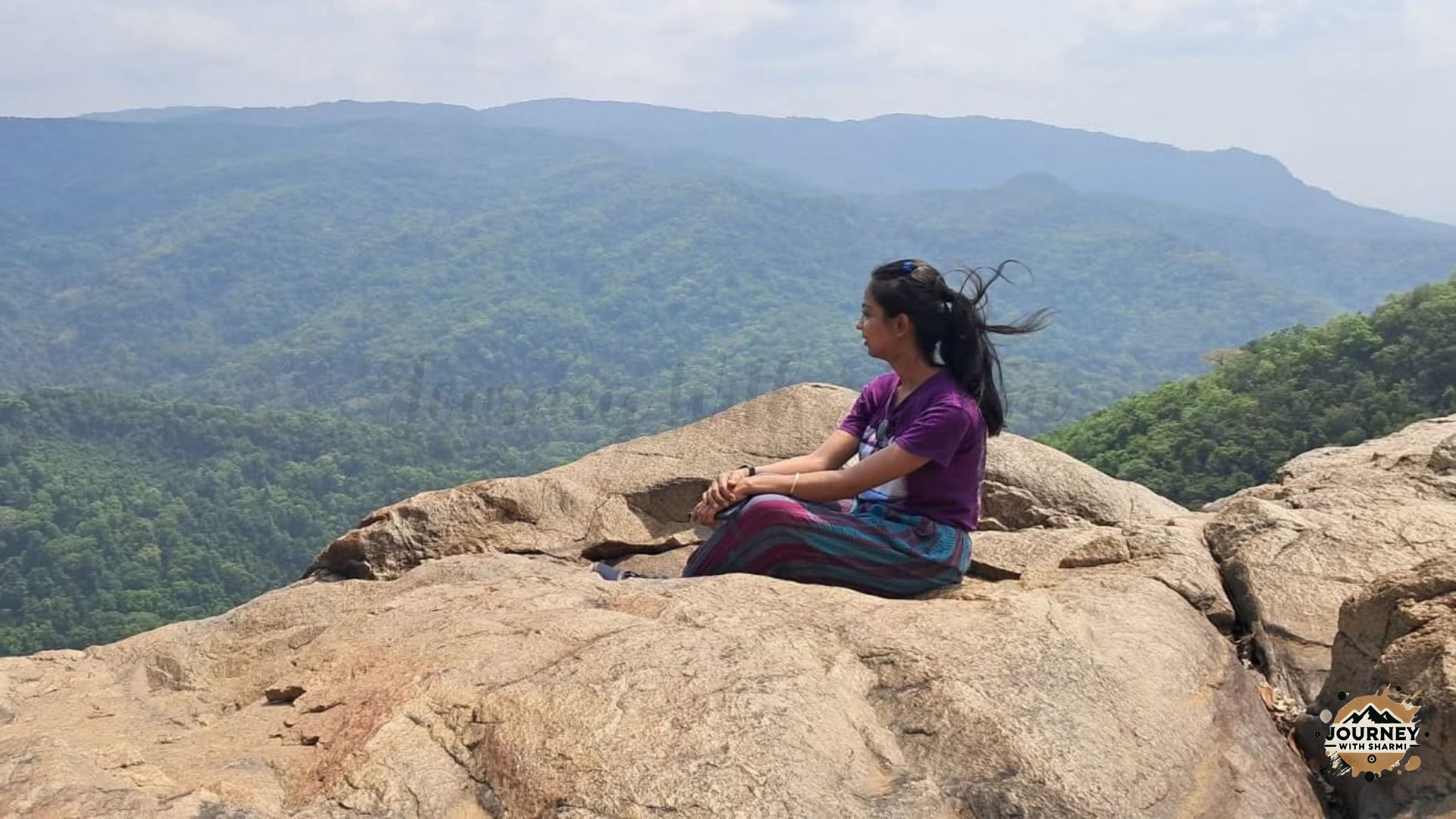
Trekking To The Top Of Dudhsagar Waterfalls: Our Unforgettable Western Ghats Adventure
When we think about the Dudhsagar Waterfalls trek, what comes first in our mind? It is always what the usual experience looks like: approach the waterfall from below, trail through the dense forest, and eventually reach a rocky viewpoint where we can look up at the huge four-tiered cascade.
But this time, we tried something completely different; we actually wanted to reach the top of Dudhsagar Falls, exactly right where the water begins its dramatic cascade. Instead of simply standing beneath Dudhsagar and watching millions of litres of water plunge down the cliff, we wanted to know where that water came from. We wanted to follow the upstream, walk through the forest, cross the mountain river, and reach the place where the water gathers before making its dramatic descent.
And this curiosity took my husband, one of our close friends, and me on an offbeat Dudhsagar trek to the upper crest of the waterfall, accompanied by an experienced local driver-guide, named Nazeer, lives in Castlerock, who knew the remote terrain around the Goa-Karnataka border.
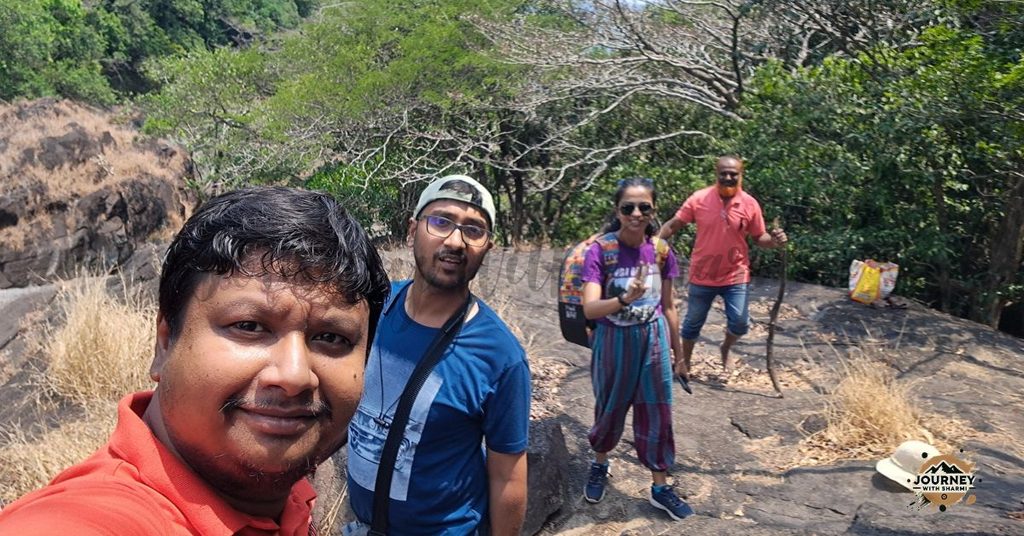
What we experienced was far away from a conventional sightseeing trip. We drove through remote mountain terrain, walked through the dense rainforest of the Western Ghats, crossed the canopy and upper Mandovi River stream, navigated muddy forest trails, and emerged onto enormous basalt rock platforms at the top of Dudhsagar Falls.
And finally, standing there completely changed the way we looked at this famous waterfall.
Quick Overview Of The Dudhsagar Waterfalls Top Trek
Before we take you through our experience, here are the key details we learned during our journey:
- Trek starting point: Kuveshi Village, Karnataka
- Region: Goa-Karnataka border
- Protected landscape: Bhagwan Mahavir Wildlife Sanctuary and surrounding protected forest sectors
- Round-trip distance: Approximately 11–13 km, depending on vehicle access
- Active trekking time: Approximately 5–6 hours, excluding longer stops
- Terrain: Dense forest, mud, exposed roots and basalt rock
- Major water crossing: Upper stream of the Mandovi River
- Best time to visit: After the monsoon, November to March; we explored this in the month of March
- Difficulty factors: mud, slippery surfaces, river crossings and exposed rock
- Main destination: Upper crest of Dudhsagar Falls
If you’re planning to include this trek in your next adventure, then the above details are particularly important because the Dudhsagar Falls trek to the top is not the same experience as the more familiar routes that bring you toward the waterfall’s lower or middle sections.
Where Does The Trek To The Top Of Dudhsagar Falls Start?
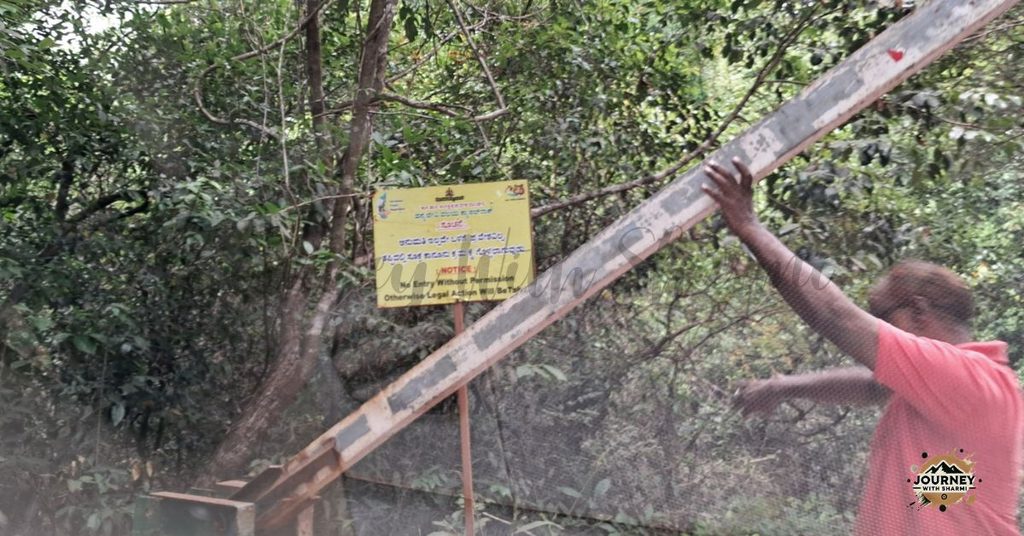
Our trek to the top of Dudhsagar Falls began at Kuveshi Village, a remote settlement in Karnataka – Goa border. And you know what? Getting there was itself a part of the adventure. In this journey, we had to move away from the familiar tourist routes and travel toward the mountainous terrain around Anmod Ghat.
Nazeer was invaluable here because the roads gradually became more difficult and less conventional as we moved deeper into the region.
The journey progressed roughly like this:
Western Ghat highway → forest roads → seasonal stream crossing → Kuveshi Village → jungle trail → Mandovi River → forest → basalt crest
This is one of the biggest differences between this route and the conventional Dudhsagar experience. We were not simply following a clearly established tourist trail from a busy access point; we were actually entering a remote landscape where local knowledge mattered.
Drive To Kuveshi: Early Morning Mist And Light
We started our journey early at around 6:30 AM from Castlerock. We had chosen to stay the night in Castlerock because this was a place we had already called home for three years during my husband’s Indian Railways posting, a remote village we hold very close to our hearts—here you can book a forest bungalow for a truly immersive stay.
While my husband and our friend checked our camera equipment, food, and hydration packs, Nazeer led us deeper into the Western Ghats. You won’t believe how the atmosphere changed noticeably as we gained elevation. The coastal humidity gradually disappeared; the air became cooler, and the surroundings became increasingly dominated by thick forest.
Eventually, the paved road gave way to rugged tracks, our vehicle creeping slowly through narrow stretches choked with dense vegetation as our guide pressed on toward Kuveshi. About 1.5 kilometres before the village, we hit our first major obstacle: a seasonal stream cutting directly across the dirt road. Fortunately, the water level was manageable, allowing our vehicle to push through and drive even closer to the settlement.
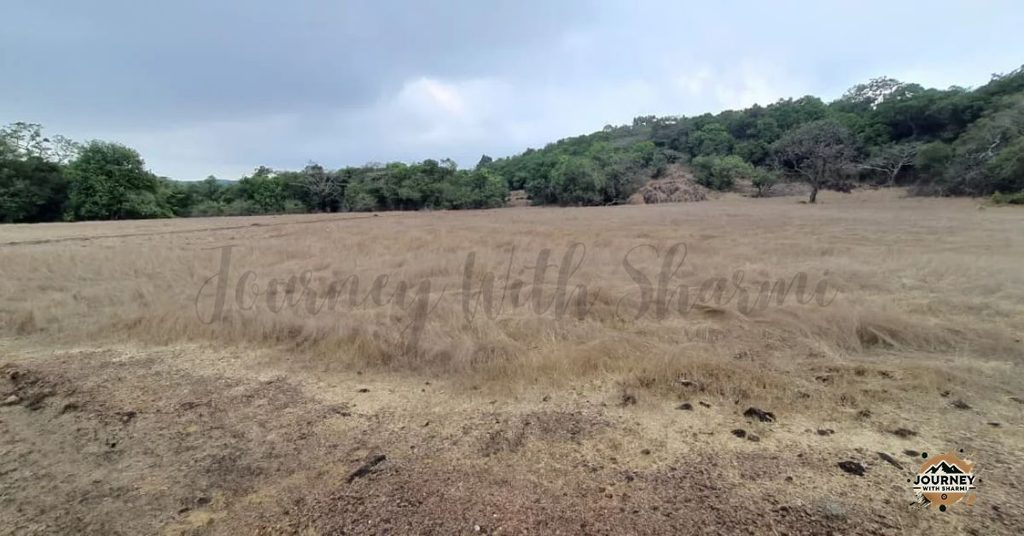
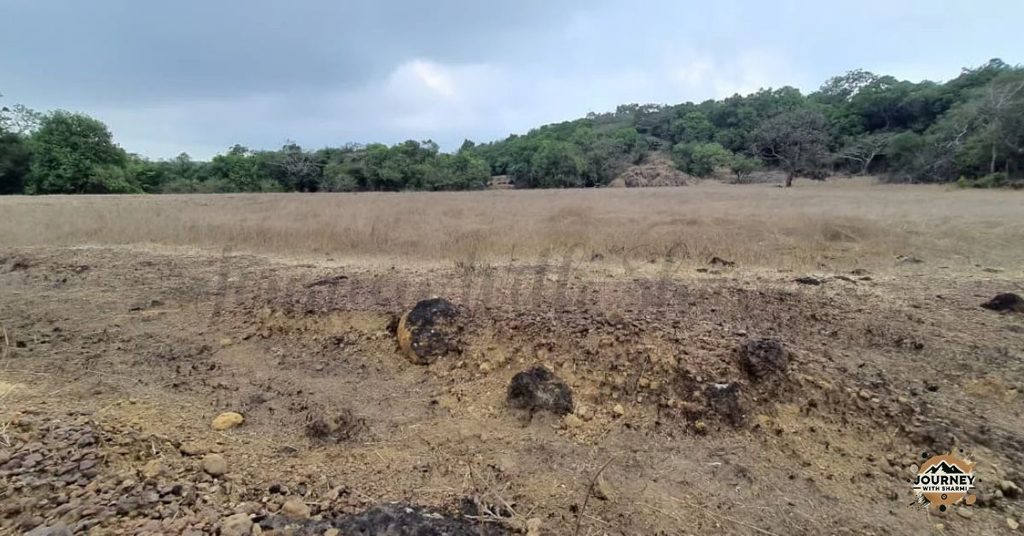
But this was an important lesson for us: seasonal water crossings can change the practical starting point of the trek. During the early autumn period, when the water is higher, a vehicle may not be able to cross safely. In that situation, the trek can effectively begin earlier, adding several kilometres of walking.
Arriving At Kuveshi Village: Where The Road Ends
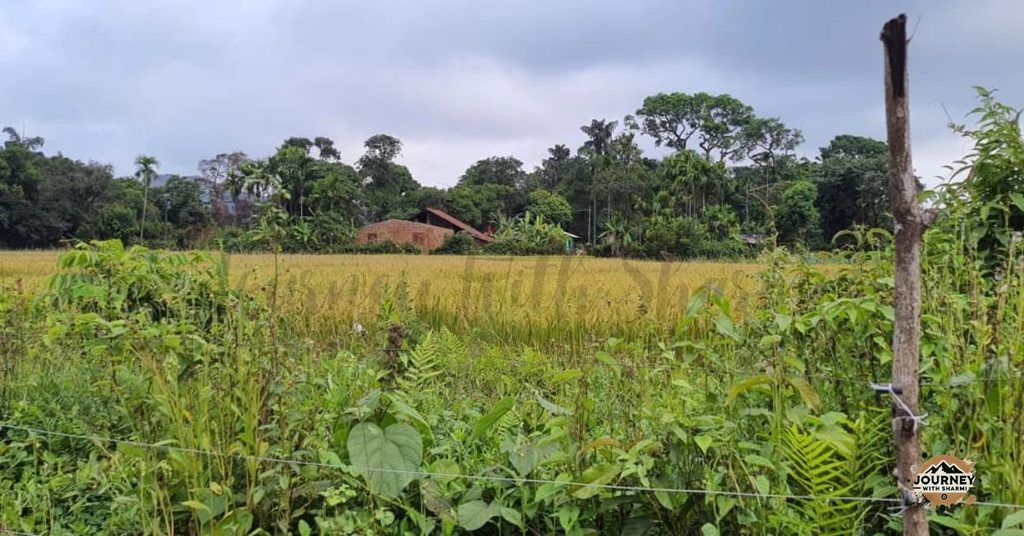
Kuveshi felt completely different from the tourist centres we were accustomed to seeing around Goa. The settlement was small and quiet, surrounded by forest and agricultural land. Traditional homes stood against a backdrop of dense greenery, and the pace of life seemed much slower.
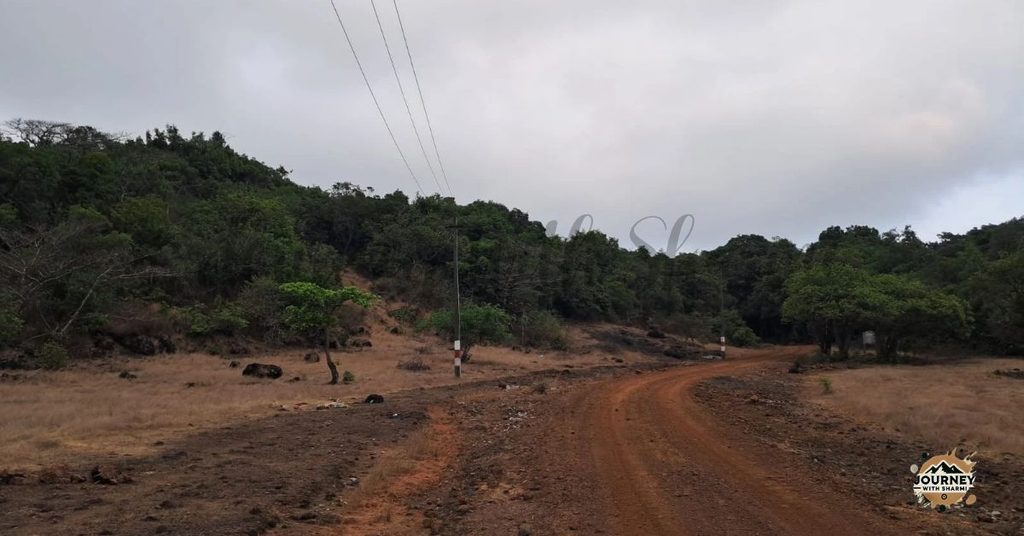
As we walked past the houses, we realised that we were entering a landscape where the forest wasn’t simply something to look at—it was part of everyday life.
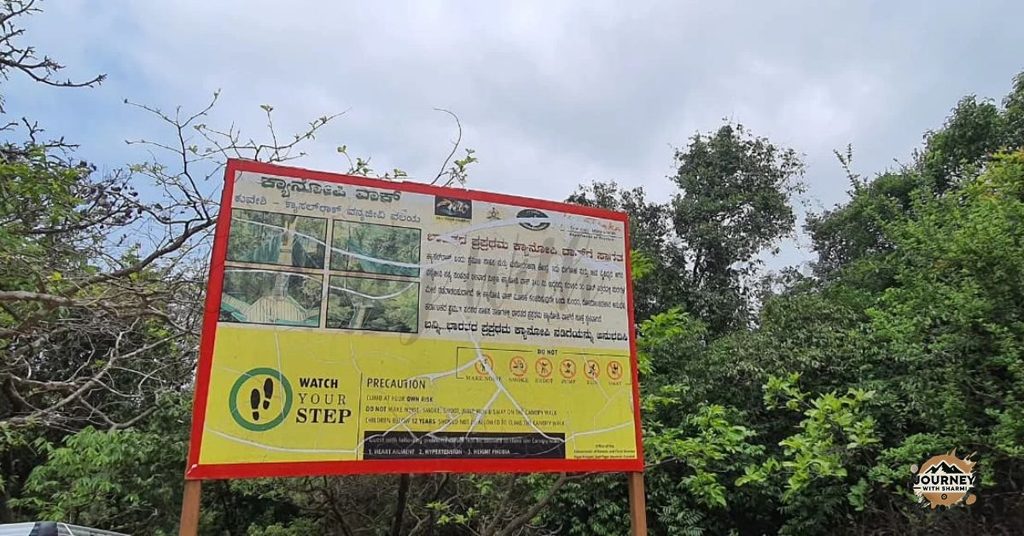
Walking Above The Forest At The Kuveshi Canopy Walk
One of the highlights along this route was the Kuveshi Canopy Walkway—India’s first canopy walk, an elevated pathway tucked into the forests near Castle Rock. Stretching approximately 240 metres and rising about 30 feet above the forest floor, it lets you experience the Western Ghats from a completely different perspective.
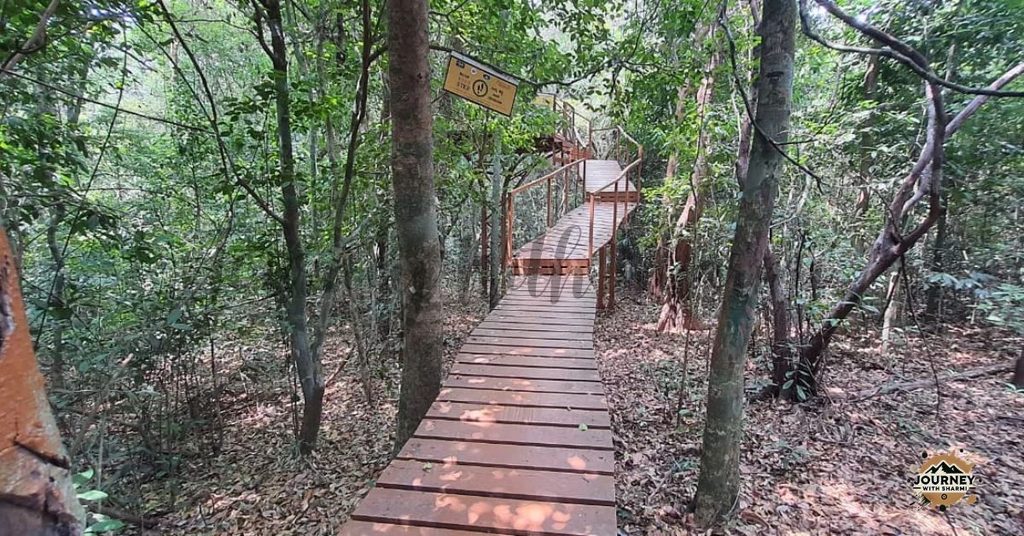
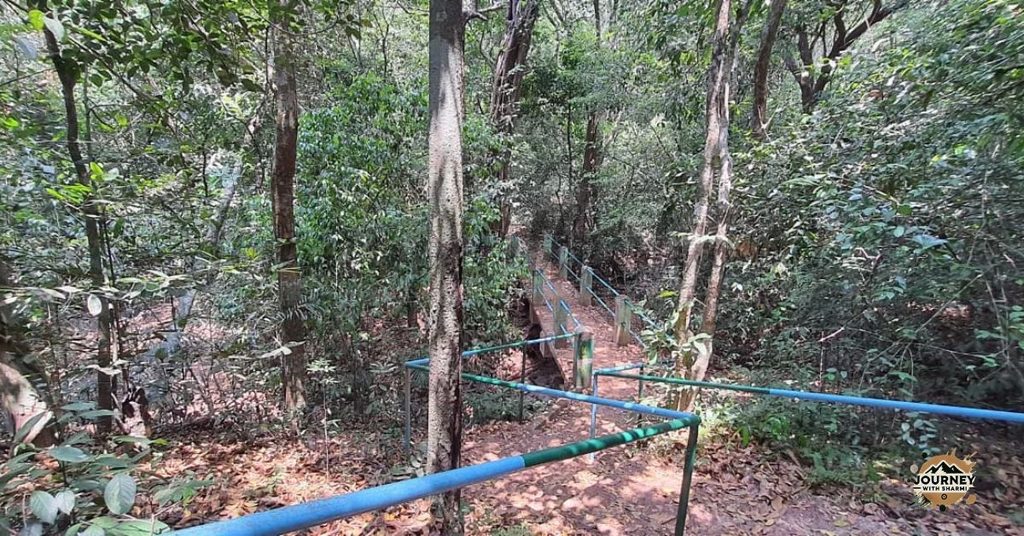
For us, this offered a striking contrast to the trail below. Instead of walking beneath the enormous trees, we were eye-to-eye with the upper canopy, gaining a fresh appreciation for the density and scale of the rainforest surrounding the Dudhsagar trekking region. Developed as an ecotourism initiative, the walkway seamlessly connects to the rich landscape of the area.
After taking in the canopy, our journey pressed deeper into the forest toward the upper Dudhsagar landscape. The character of the trail shifted once more as we stepped off the elevated walkway and back onto the natural forest floor, where exposed roots, slick mud, rocks, and thick vegetation demanded our full attention.
This transition—from walking above the rainforest to navigating right through its heart—made the entire route feel deeply immersive. We weren’t just following a trail toward a waterfall; we were moving through the distinct layers of the Western Ghats before finally reaching the basalt plateau where Dudhsagar Falls begins its dramatic descent.
Crossing The Upper Mandovi River On Dudhsagar Waterfalls Top Trek Route
Leaving the last houses behind us, we followed a narrow trail winding toward the valley. Within twenty minutes, we reached the upper stream of the Mandovi River—known locally as the Mahadayi in its upper reaches. This was a far cry from the broad, familiar river landscape we associated with the Mandovi farther downstream. Here, it was a clear mountain stream rushing over smooth stones and boulders.
The water looked inviting, but we quickly understood why Nazeer treated the crossing with caution. The current was swift, and the submerged rocks were slick. We had two choices: remove our shoes and wade through the knee-deep water, or cross via a traditional log bridge built by local residents.
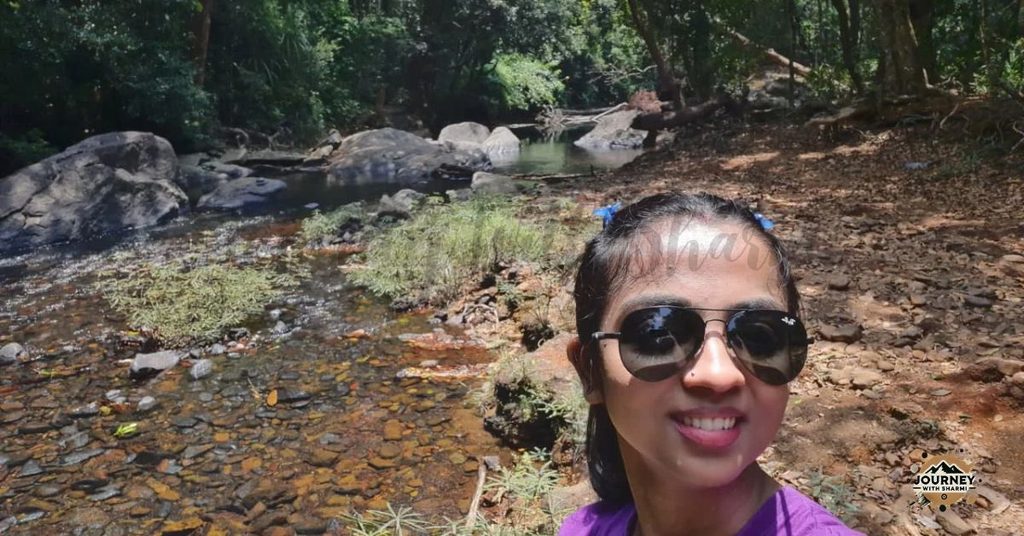
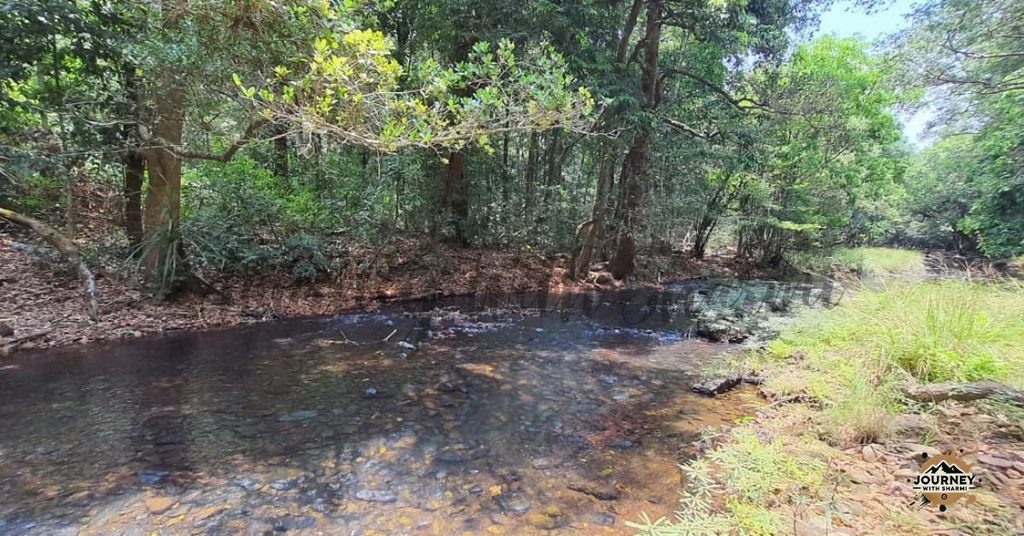
We chose the second option—calling it a bridge was generous—it was essentially a massive tree trunk laid across the stream, with a flattened surface and a simple bamboo handrail running along one side.
My husband, our friend, and I exchanged a glance before stepping onto it. The moment was equal parts thrilling and nerve-racking. As the river roared beneath us, we placed one foot carefully in front of the other, every step demanding absolute concentration. Nazeer crossed ahead, waiting to steady us through the final stretch to the opposite bank.
Once all of us were safely across, we let out a collective breath. That heart-pounding river crossing instantly became one of the defining memories of our Dudhsagar trek.
Entering The Mollem National Park
After crossing the river, we entered the dense, untamed embrace of Mollem National Park; this was where we truly understood why this route felt so vastly different from a conventional tourist visit to Dudhsagar. The trail narrowed, growing darker and infinitely more immersive.
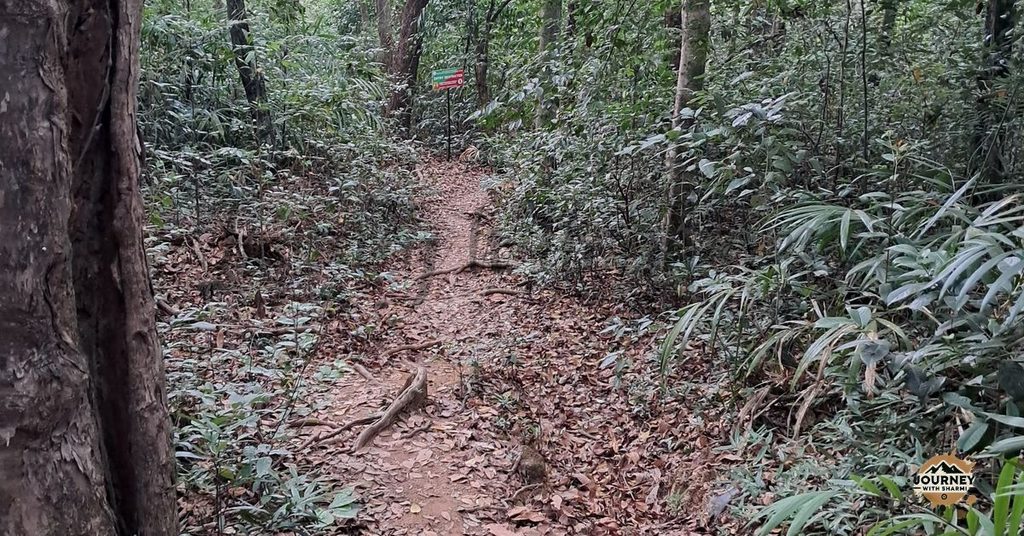
For the next hour and a half or so, we pushed forward beneath a thick, multi-layered forest canopy that blocked out most of the direct sunlight. Even in the middle of the day, the forest felt suspended in an emerald-toned twilight.
The trail itself demanded constant, unwavering focus. We navigated a shifting terrain of:
- Exposed, twisting tree roots
- Soft, muddy patches
- Rich, damp forest soil
- Uneven stone surfaces
- Occasional rugged basalt formations
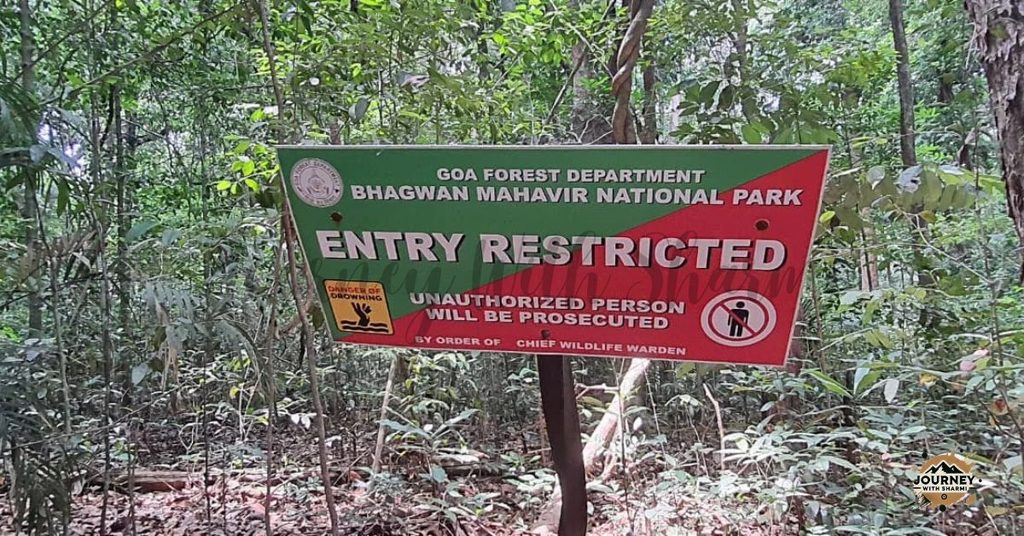
We couldn’t simply walk while gazing around; every few steps required us to check our footing. Yet, at the same time, the forest constantly competed for our attention. We breathed in the deep scent of wet earth, lush vegetation, and decaying wood. Thick vines coiled tightly around ancient tree trunks, unseen birds called from the hidden heights of the canopy, and every so often, we heard rustling movement high above us in the branches.
The Forest Started Telling Us We Were Getting Close
At one point, we noticed a subtle shift in the soundscape. The individual calls of birds, the hum of insects, and the rustle of leaves gradually merged into a deeper, resonant hum. A low, powerful rumbling seemed to travel straight through the forest floor.
We knew we were approaching the waterfall, but, until that moment, Dudhsagar had existed mostly as an idea in our minds—a destination we were simply walking toward. Suddenly, we could hear it. And that single sound changed the final stretch entirely, transforming the hike into an eager countdown.
From Dense Jungle To Open Basalt
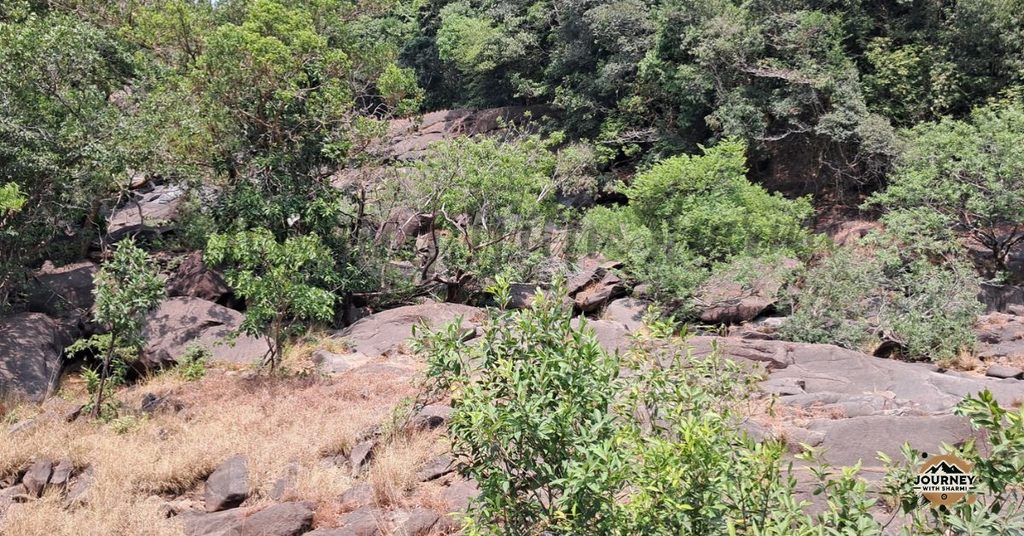
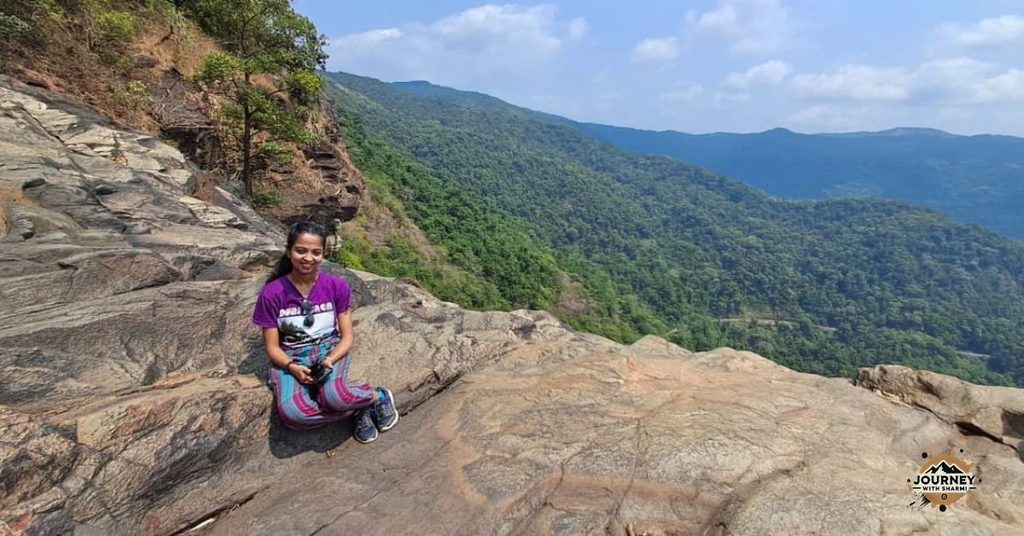
The transition happened surprisingly quickly. One moment, we were surrounded by a tight web of trees and vines; the next, the vegetation abruptly thinned. The soft, damp earth beneath our feet vanished, replaced by immense sheets of dark basalt rock. We had reached the exposed edge of the Deccan Plateau.
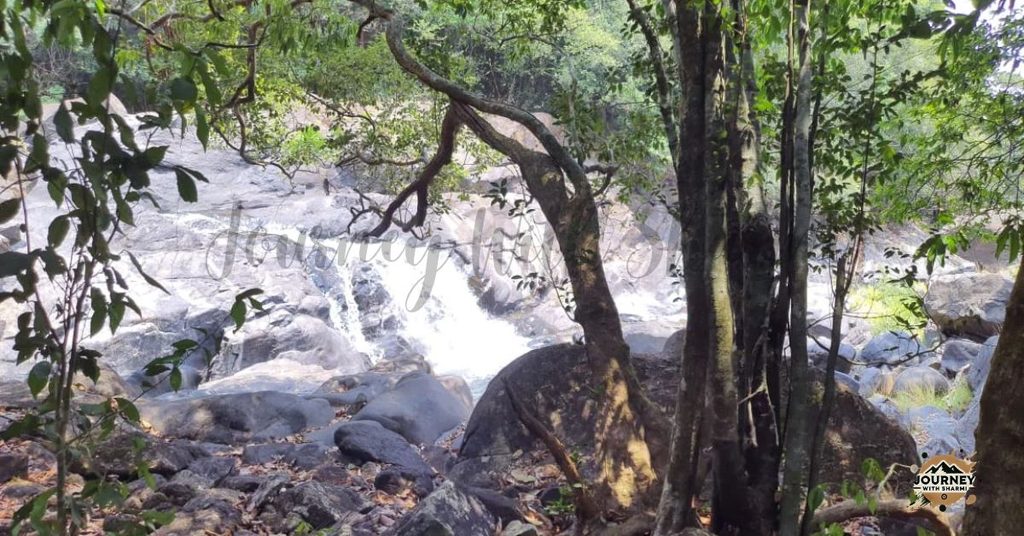
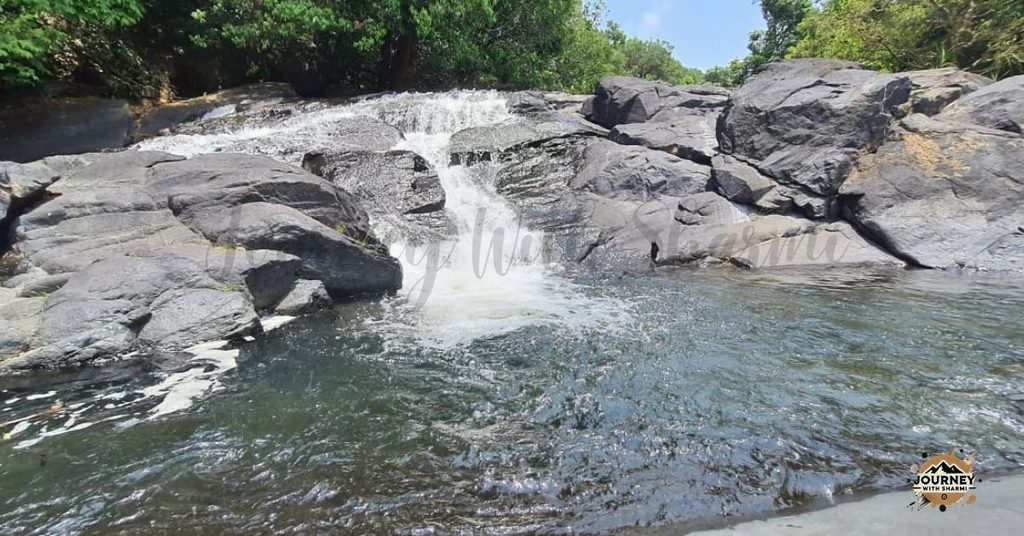
This was the breathtaking moment our Dudhsagar trek finally revealed its destination. The upper stream we had crossed earlier wound through the landscape, its waters having carved deep channels into the unyielding stone over centuries. Now, instead of meandering quietly through the forest, the water rushed rapidly across the open rock, splitting into several powerful ribbons before converging toward the brink. We had arrived at the exact spot where the river transforms into a waterfall.
Standing At the Top Of Dudhsagar Waterfalls
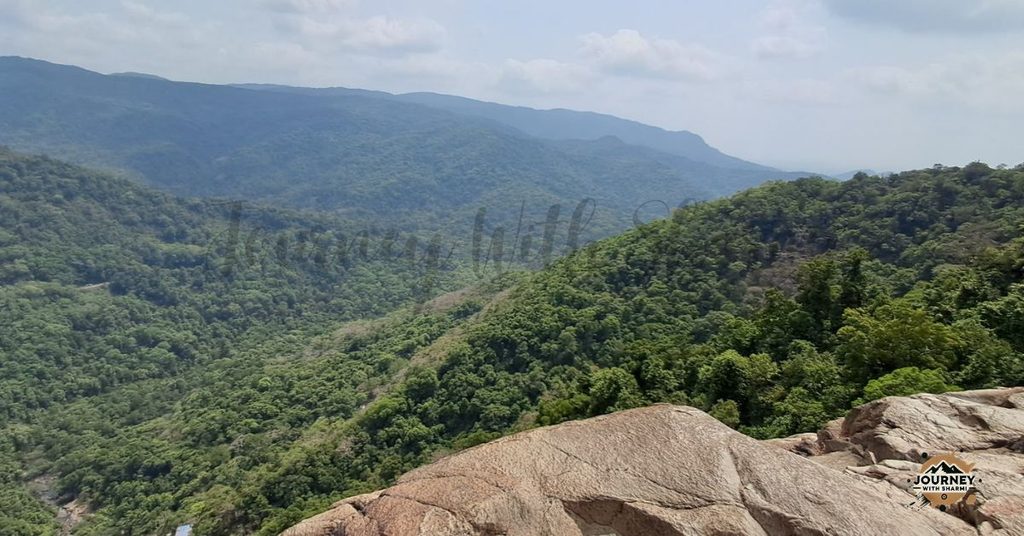
Nazeer wisely avoided the sheer drop, leading us across the safer, drier expanses of basalt to an elevated viewpoint set back from the absolute edge. From there, we finally saw what we had come so far to find: the very top of Dudhsagar Falls.
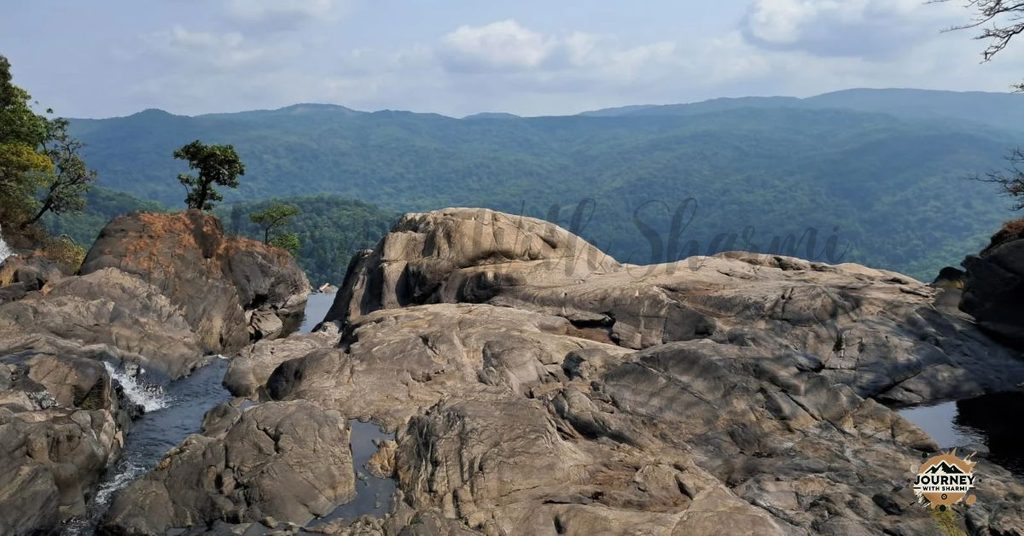
Looking down from that height was almost overwhelming. The valley stretched out beneath us, a vast sea of dense, unbroken green where individual trees vanished into the landscape. Having spent hours walking through the heart of that jungle, seeing it all from above brought the entire geography of the region into sharp focus. The river wasn’t simply falling from nowhere; we could trace its path across the plateau, right to the precipice where it begins its legendary plunge. Standing there at the origin of that transformation, the scale of it all was simply unforgettable.
The Railway Bridge Looked Completely Different From Above
One of the most surreal moments of the trek was seeing the famous railway bridge from above. In photographs taken from the base of the waterfall, the bridge appears massive and dramatic against the roaring cascade. From our high vantage point, however, it looked remarkably small, dwarfed by the sheer scale of the surrounding wilderness.
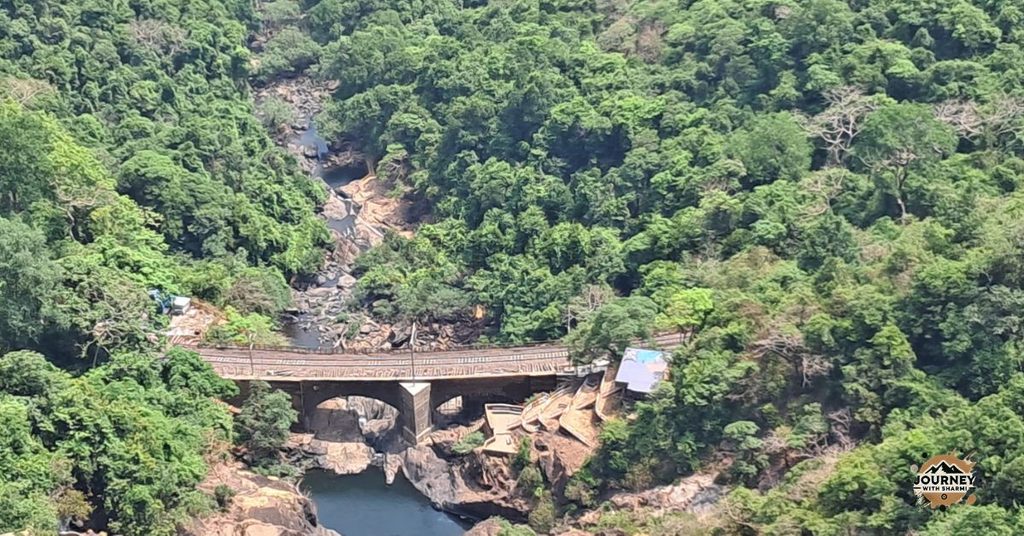
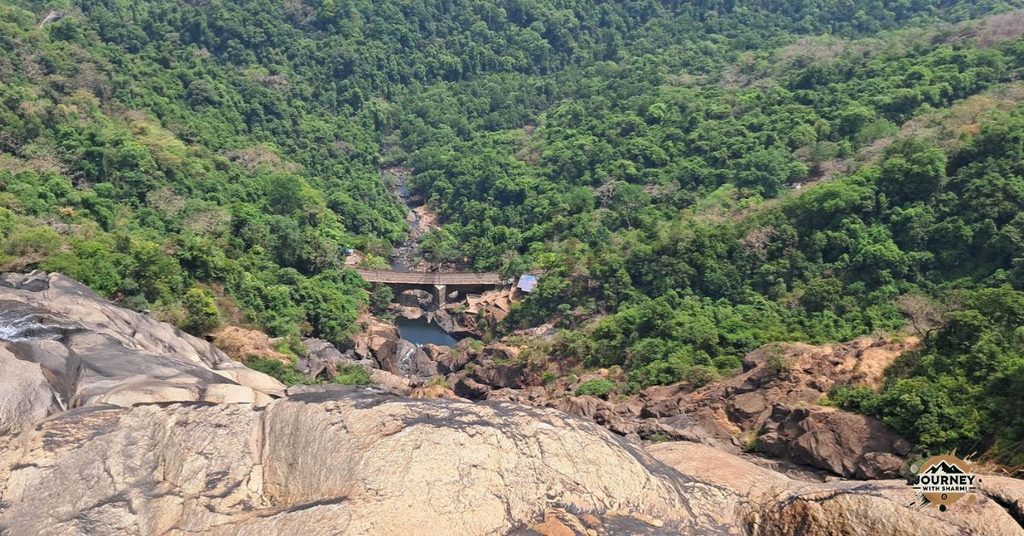
As we watched, a long freight train slowly crept across the tracks. The locomotives that normally look so imposing from ground level appeared almost miniature from our perch. Watching the train glide across the landscape and vanish back into the dense forest offered a completely new perspective on one of the most recognisable landmarks associated with Dudhsagar Falls.
What Dudhsagar Sounds Like From the Crest
The sound was just as memorable as the view. At the base of a waterfall, you usually experience the deafening impact of water hitting rocks and churning in pools. But right at the crest, the sound was entirely different—deeper, heavier, and completely continuous. We could hear a low, powerful roar building as the water surged toward the edge.
More than simply hearing it, we could feel the vibration humming through the ground and straight up through the soles of our trekking boots. Then, we watched the transformation unfold right in front of us. The clear mountain stream swept across the dark basalt, met the brink, and instantly plunged into a vertical torrent. The water tore against the precipice below, bursting into the brilliant white spray that gave Dudhsagar—meaning “Sea of Milk”—its name. In that exact instant, the poetic name stopped being just a title and became something we could physically see and feel.
Safety Lessons We Took Away From The Dudhsagar Waterfalls Top Trek
The most important thing we learned was that reaching the top of Dudhsagar is not something to treat casually. The upper crest is a wild environment; there are no protective railings around the natural edge, and the combination of moving water, wet basalt, and steep drops creates serious hazards.
Our experience taught us to prioritise safety over photographs:
We stayed away from moving water: The dark basalt looked solid and dry in places, but surfaces near water can be extremely slippery. We maintained a significant distance from the active channels and never treated the edge as a place for unnecessary photographs. For us, the view was more than enough without getting close to the drop.
We watched the river: Water conditions can change quickly in mountainous terrain. Because the stream drains the surrounding plateau, rainfall upstream can affect water volume. If water suddenly becomes muddy or rises noticeably, that should be treated as a warning rather than something to investigate. A beautiful viewpoint is never worth taking a risk.
We did not depend on mobile connectivity: The remote forest environment meant we could not assume that cellular connectivity or immediate emergency services would be available. Having an experienced local guide made a major difference to us. We also carried sufficient drinking water, food, and basic first-aid supplies. For a Dudhsagar trek, preparation matters much more when you leave the conventional tourist route.
What We Would Want You To Know Before Attempting This Trek
If you are considering an offbeat trek to Dudhsagar Falls, our biggest lesson is that the destination is only one part of the experience. The journey is equally important.
You have to be prepared for a combination of:
- Remote mountain roads
- Seasonal water crossings
- Dense forest
- Muddy trails
- Uneven terrain
- River crossings
- Exposed basalt
- Rapidly changing water conditions
This is not the kind of hike we would approach as a casual sightseeing walk. The right footwear, sufficient hydration, food, basic first-aid supplies, and local knowledge made us feel much more prepared. Most importantly, we listened to our guide when he told us where to walk and where not to go.
Summary From My Own Experience: Why This Journey Will Stay With Us Always
Looking back, the true magic of reaching the upper crest wasn’t just checking off a challenging hike or capturing a rare perspective; it was the quiet shift in how we understood a place we thought we knew. When you spend years living within the pulse of the Western Ghats, you realise that landscapes are rarely just scenic backdrops—they are living systems with an origin, a rhythm, and a voice of their own.
Following the water back to its source taught us patience and deep respect for the wilderness. It turned a familiar tourist landmark into an intimate, humbling encounter with nature’s raw mechanics. Long after the mud has washed from our boots and the echo of the roaring current fades, the memory of standing at the silent beginning of the Sea of Milk will remain our most treasured reminder of what it truly means to explore off the beaten path.
☛ Also Read:
Frequently Asked Questions About the Dudhsagar Waterfalls Top Trek
Can we actually trek to the top of Dudhsagar Falls?
Yes. We reached the top of Dudhsagar Falls by approaching it from the Kuveshi side rather than taking the conventional route toward the lower viewing areas. For us, the experience was completely different because we followed the mountain stream through the forest until we reached the upper basalt plateau, where the waterfall begins its plunge.
What are the operational timings for the Dudhsagar Waterfalls top trek and forest entry?
- Recommended Start Time: 6:30 AM – 7:30 AM (starting early is essential to complete the 5 to 6-hour trek and return before dusk).
- Forest Entry Window: Forest checkpoints and sanctuary entry points typically operate between 6:00 AM and 3:00 PM, but offbeat routes from remote entry points like Kuveshi require starting early morning with a local guide. Access is strictly prohibited after dark for wildlife safety.
What are the payment and permit details?
Because this offbeat trail passes through protected forest territory (Bhagwan Mahavir Wildlife Sanctuary / Mollem sectors), official permissions and local guide fees apply:
- Forest Entry & Conservation Fees: Typically range between INR 100 to INR 300 per person, payable at forest checkpoints or via authorised local channels.
- Local Guide Charges: Mandatory for offbeat routes. Hiring an experienced local guide from base settlements like Castlerock or Kuveshi generally ranges from INR 1,000 to INR 1,500 per group (or bundled if booking through regional eco-tourism packages).
- Vehicle / Transport Costs: If utilising local four-wheel-drive support through rough forest tracks up to the permissible approach points, vehicle charges can range from INR 500 to INR 1,200 per vehicle/person depending on the exact starting point and season.
- Payment Method: Carry sufficient cash, as digital payment networks (UPI/cards) do not work in the remote jungle and forest check-posts.
Will the Kuveshi Canopy Walk come on Dudhsagar Waterfalls top trek route?
Yes, the Kuveshi Canopy Walk is associated with this forest route. Walking above the forest gave us a completely different perspective of the Western Ghats before we continued deeper into the jungle toward the Dudhsagar landscape.
Was the trek to the top of Dudhsagar Falls difficult?
We would describe it as a moderate but demanding jungle trek rather than an easy walk. The distance itself wasn’t the only challenge. We had to deal with muddy sections, exposed roots, uneven ground, river crossings and slippery basalt surfaces. The remote nature of the route also made having our local guide particularly important.
Did we get a mobile network throughout the trek?
We could not rely on cellular connectivity in the remote forest sections. That was one of the reasons we considered travelling with an experienced local guide essential. We also carried our own water, food and basic first-aid supplies rather than depending on services along the trail.
What should we carry for the Dudhsagar top trek?
Based on what we needed during our journey, we would prioritise sturdy trekking shoes, sufficient drinking water, high-energy food, basic first-aid supplies and appropriate trekking gear. We would also keep our camera equipment protected because the route includes wet and muddy sections.
Is the Kuveshi route the same as the Castle Rock Dudhsagar trek?
No. We learned that these are different approaches. The Castle Rock route is associated with the railway-side approach, while our Kuveshi route to Dudhsagar Falls took us through the forest toward the upper crest and water source.



Pratyusha Bhowmick
Nice post 💖