
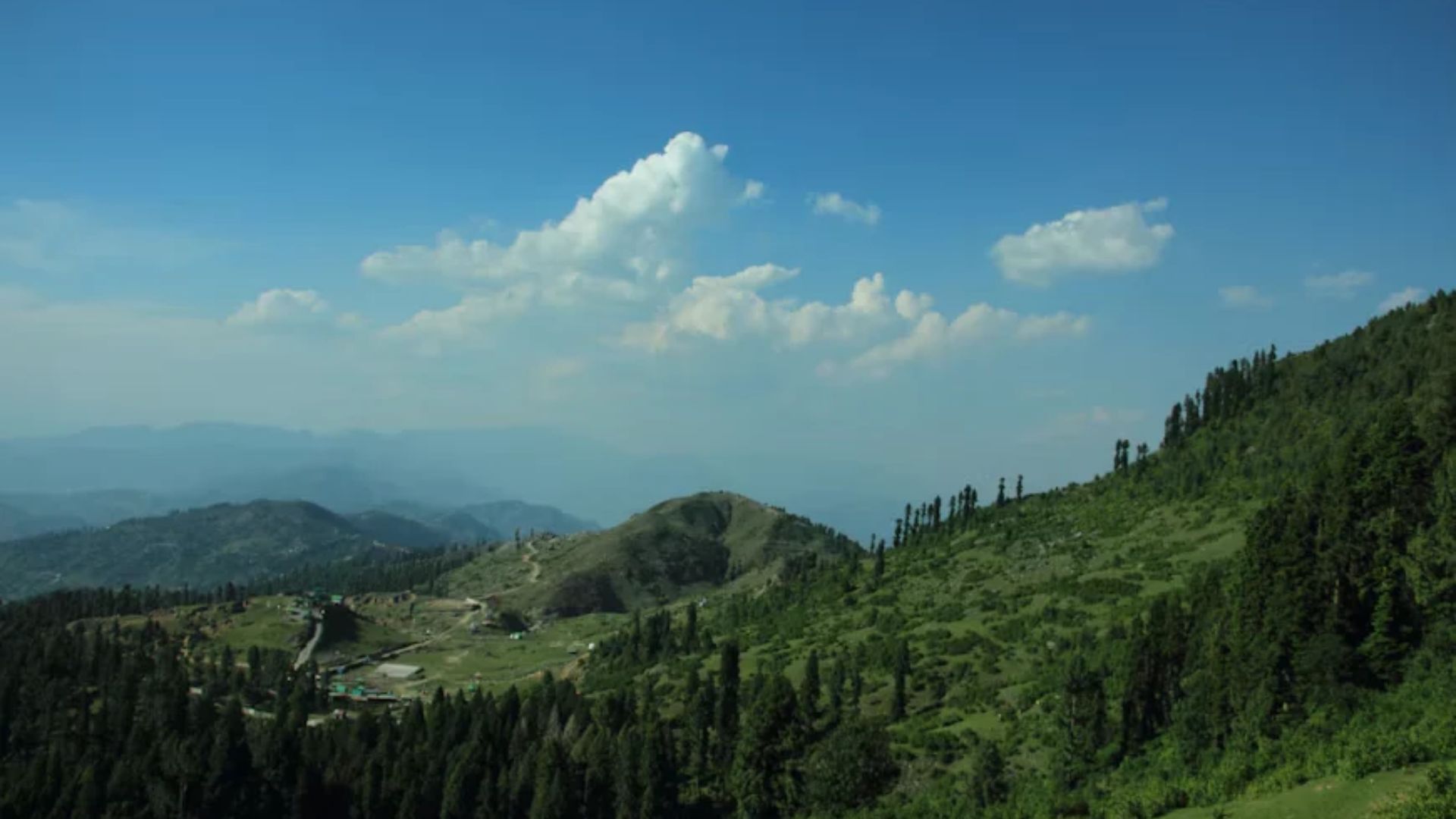
Top 10 Best Budget Backpacking Destinations in India for Every Travel Style
Visiting backpacking destinations India isn’t something you plan down to the minute—it’s something you feel. One day you’re watching the morning sun hit ancient ruins, the next you’re sharing a laugh with locals on a crowded bus or sitting in a cozy cafe over a cup of hot chai, losing all track of time. Sliding your laptop into your bag means carrying your work without giving up your freedom. You trade predictable routines for real human connection, sudden detours, and the pure joy of the open road.
Our country India gives you plenty of scope to travel backpacking. You can follow mountain roads in Spiti Valley, explore the rain-soaked hills around Shillong, walk through the historic ruins of Hampi, slow down beside the Arabian Sea on a Varkala cliff cafe, or spend an evening around the ghats of Pushkar.
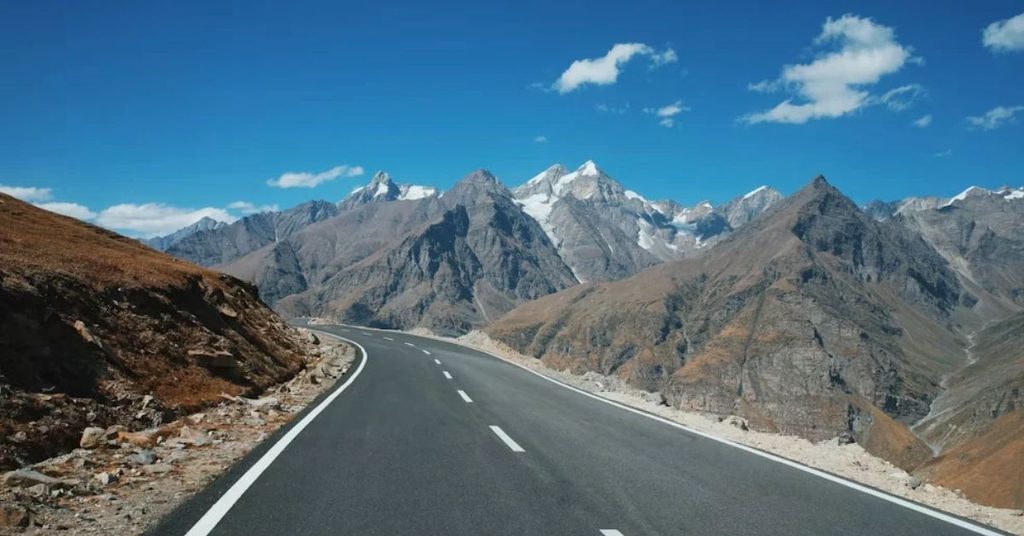
And if you want to take your journey further, solo trips to Rishikesh, backpacking to Gokarna, Jaisalmer, McLeod Ganj, and Ziro Valley bring completely different experiences into the picture.
Here, I’ve listed 10 beautiful destinations that are not arranged as a ranking. Instead, each one matches a different travel style, so you can choose according to what you actually want from your india backpacking itinerary—whether that means high-altitude passes, coastal trails, heritage sites, or offbeat cultural routes.
1. Spiti Valley, Himachal Pradesh: For High-Altitude Adventure
If your idea of solo backpacking in India involves exploring remote villages, Buddhist monasteries, and mountain roads that look completely different from the rest of the country, a Spiti Valley backpacking trip is a destination worth considering. It remains one of the best backpacking destinations in India for pure high-altitude adventure.
Spiti is a cold desert where barren mountains, green patches around settlements, the Spiti River, and centuries-old Buddhist monasteries create a distinctive landscape. Himachal Pradesh Tourism describes Spiti as a mountainous cold desert and notes the strong influence of Buddhism on everyday life in the valley.
You can base yourself around Kaza and explore places such as Key Monastery, Dhankar, Langza, Hikkim, and Komic. The journey itself becomes an important part of your experience because the valley is connected by long mountain roads rather than quick transfers.
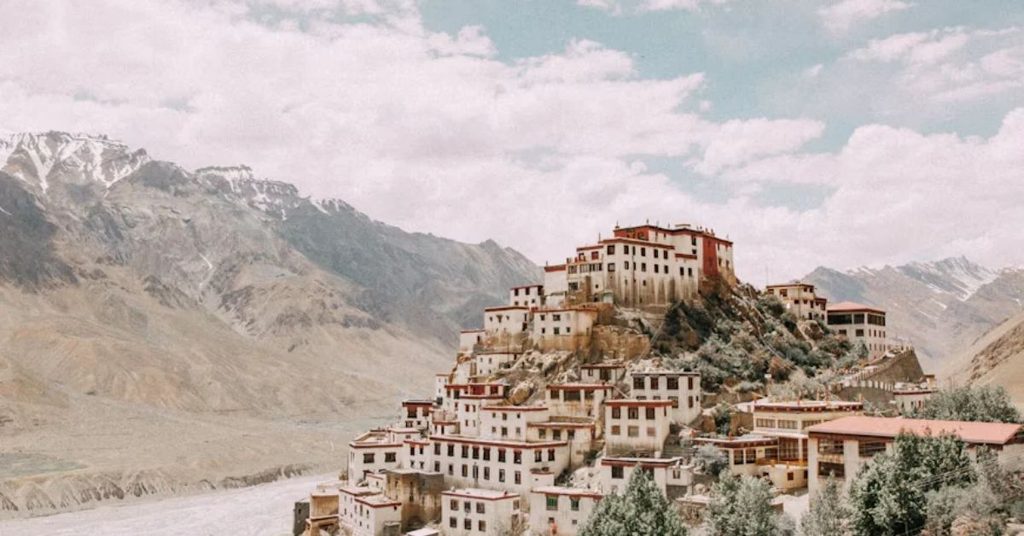
Did You Know? Spiti literally translates as “the middle land”, reflecting its geographical position between Tibet and India. The valley’s remote location helped preserve its distinctive cultural traditions for centuries.
Special Event In Spiti
If you want to experience Spiti beyond its landscapes, look out for the Ladarcha Fair, traditionally associated with trade and cultural exchange between communities from Spiti, Ladakh, and surrounding Himalayan regions. Check the Himachal Pradesh Tourism calendar before planning your trip around the event.
Best Time To Visit Spiti Valley
- May to September: This is generally the most practical season for backpacking because major road routes are accessible and daytime conditions are manageable, with temperatures generally range from 15°C to 25°C during the day.
- October to April: Winter brings severe cold and snow with temperatures drops up to -5°C to 10°C, making road travel difficult. Conditions change quickly at high altitude, so check road status before traveling.
How To Reach Spiti Valley
- Shimla–Kinnaur–Kaza: A longer route taking you through Reckong Peo and the Kinnaur region.
- Manali–Kaza: A shorter, highly scenic route that crosses high mountain passes and is seasonal.
Travel Tip: Don’t underestimate the altitude. Keep your first few days flexible, stay hydrated, carry warm layers even in summer, and avoid packing your itinerary with too many long journeys back-to-back.
2. Shillong, Meghalaya: For Music, Rain, And Northeast Culture
If mountains for you mean misty hills, waterfalls, music, cafes, and green landscapes, exploring a Meghalaya backpacking circuit from Shillong gives you a completely different experience from Spiti.
Often called the “Scotland of the East”, Shillong is the capital of Meghalaya and sits on a plateau surrounded by hills and pine-covered landscapes. Meghalaya Tourism highlights its cafés, guesthouses, homestays, music culture, and attractions such as Ward’s Lake, Shillong Golf Course, Don Bosco Museum, and Elephant Falls.
You can use Shillong as your base for exploring the wider state. Depending on how much time you have, you can add Sohra, Dawki, Mawlynnong, Laitlum Canyons, and Nongriat to your plan.
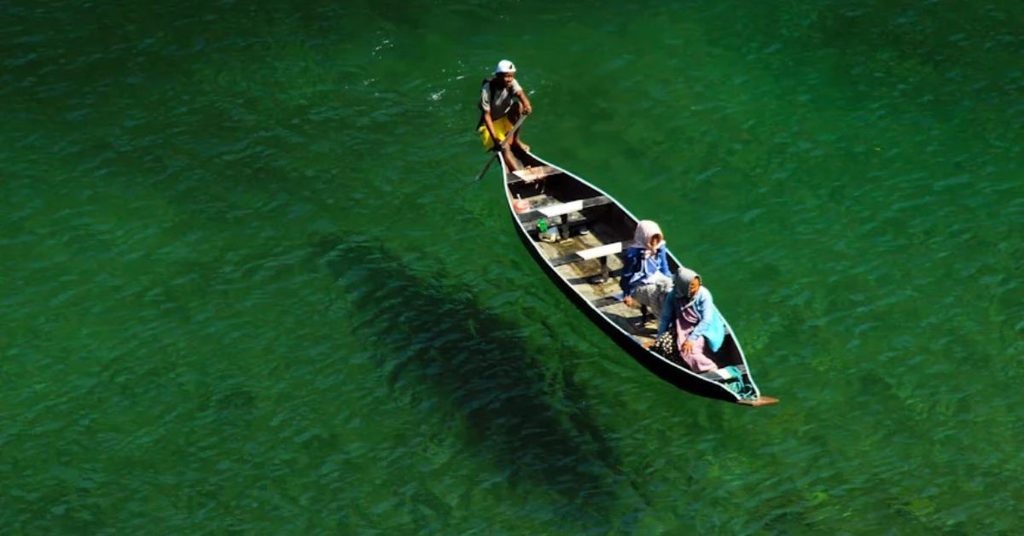
Did You Know? Shillong is not simply a gateway to Meghalaya’s natural attractions. Its music culture is an important part of the city’s identity, with live performances forming a key part of local life.
Special Events In Shillong
Shillong hosts several cultural and music events. The Shillong Autumn Festival features music, arts, food, and cultural performances, while the winter months align with the state’s celebrated cherry-blossom season.
Best Time To Visit Shillong
- September to May: Temperatures usually range from 10°C to 23°C (dropping as low as 4°C to 6°C during peak winter in December and January) which makes this time comfortable for sightseeing and outdoor exploration.
- June to August: The monsoon brings heavy rainfall with temperature hovering between 18°C and 25°C during this time. Waterfalls become exceptionally lush, but rain can affect road journeys.
How To Reach Shillong
Reach Guwahati by train or flight and continue to Shillong by road. Guwahati Railway Station is around 96 km away, and Guwahati Airport is about 119 km. Shared taxis and buses are useful options if you are keeping your expenses under control for a budget travel in india plan.
Travel Tip: Keep your itinerary flexible during the monsoon. A road journey that looks short on a map can take considerably longer when heavy rain affects traffic and visibility.
3. Hampi, Karnataka: For History, Ruins, And Cycling
If you want your backpacking in India experience to combine history, architecture, cycling, and dramatic boulder landscapes, Hampi budget backpacking is an excellent choice to slow down and explore.
Once the capital of the Vijayanagara Empire, Hampi now stretches across a remarkable landscape of granite boulders, temples, royal structures, ancient market streets, and the Tungabhadra River. Karnataka Tourism describes Hampi as a UNESCO World Heritage destination and highlights landmarks such as Virupaksha Temple, Vijaya Vittala Temple, the Stone Chariot, and Lotus Mahal.
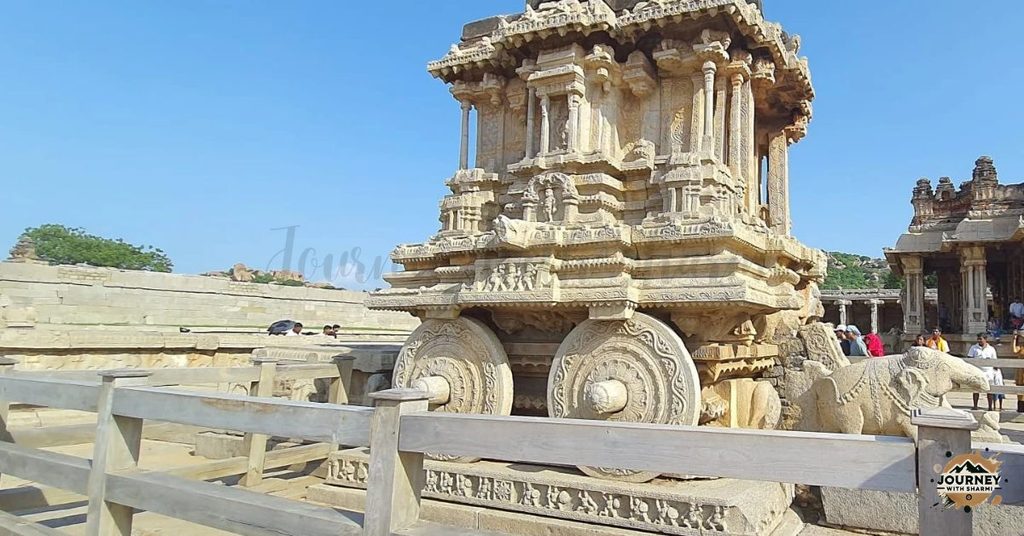
You can spend one morning exploring temples, cycle through the heritage landscape in the afternoon, and climb Hemakuta Hill or Matanga Hill for sunset.
Did You Know? Hampi’s heritage landscape covers around 29 square kilometres, with its monuments spread across the Sacred Centre and Royal Centre. Trying to see everything in a single day can leave you rushing.
Special Event In Hampi
The Hampi Utsava (Vijaya Utsava) celebrates the region’s cultural heritage through music, dance, and traditional performances. Check Karnataka Tourism’s event calendar for festival dates.
Best Time To Visit Hampi
- October to February: With temperatures ranging from 15°C to 30°C, this time offers cooler, pleasant weather that makes exploring the ruins by foot or bicycle comfortable.
- March to June: Days in these months in Hampi get intensely hot with temperatures climbing to 32°C–40°C+, so it is best to start sightseeing early in the morning or late in the afternoon.
- July to September: During this time temperatures stay around 23°C to 32°C and monsoon rains bring lush green landscapes and cooler breezes, though sudden showers can temporarily disrupt outdoor plans.
How To Reach Hampi
The nearest railway station is Hosapete Junction, approximately 13 km from Hampi. From there, continue by bus, auto-rickshaw, or taxi. Once there, you can hire bicycles or local two-wheelers.
Travel Tip: Always start your sightseeing early, as places to visit in Hampi have very little shade around some monuments, and the combination of walking, cycling, and afternoon heat can become tiring.
4. Varkala, Kerala: For Beaches And Slow Backpacking
Sometimes you don’t need a packed sightseeing itinerary. You may simply want a beach, a comfortable guesthouse, a good meal, and enough time to watch the sunset—making it one of the best backpacking destinations in India if you prefer a slower pace.
Located on Kerala’s Arabian Sea coast, Varkala cliff cafe backpacking is known for its dramatic laterite cliffs overlooking the sea, Papanasam Beach, seaside cafés, guesthouses, yoga centres, and pilgrimage sites. Kerala Tourism lists Varkala Beach, Sivagiri Mutt, and Janardhana Swamy Temple among the main attractions.
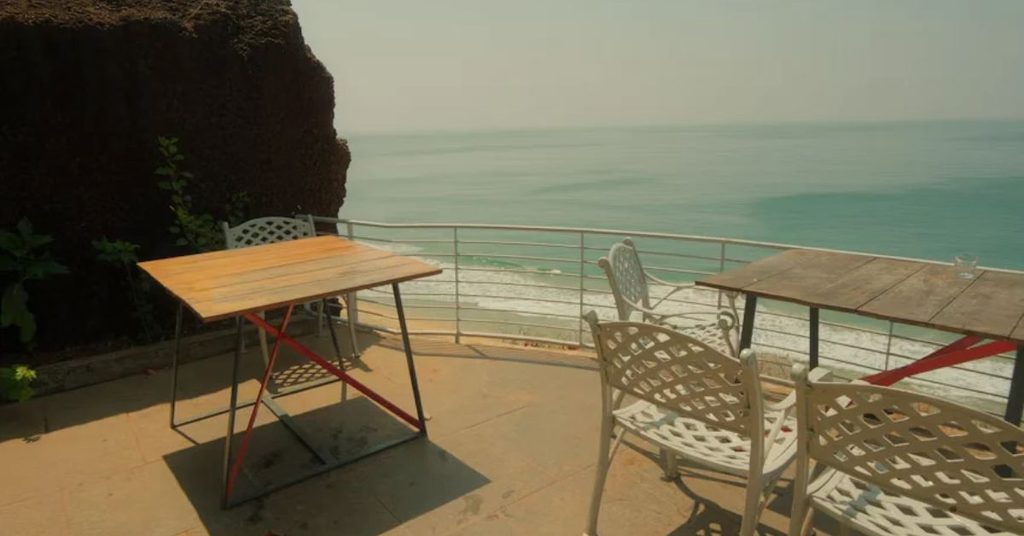
You can spend your mornings walking along the cliff, afternoons exploring the town, and evenings beside the sea along the South India backpacker hostel route.
Did You Know? Varkala’s cliffs are geologically distinctive and recognised as an important feature of the Kerala coast. The town also holds a strong spiritual identity with Janardhana Swamy Temple attracting pilgrims alongside beach travellers.
Special Event In Varkala
The Arattu Festival at Janardhana Swamy Temple is traditionally celebrated around March–April and features religious rituals, processions, and cultural programmes.
Best Time To Visit Varkala
- October to March: During this time, temperatures range from 22°C to 30°C and offer clear skies and pleasant coastal breezes make this the ideal period for beach walks, cliffside dining, and outdoor activities.
- April to May: Temperatures climb to 26°C–35°C with high humidity, though mornings and late evenings remain comfortable near the sea.
- June to September: The monsoon brings heavy rainfall, strong winds, and rough sea conditions with temperatures hovering between 24°C and 29°C; so try to avoid swimming when warnings are posted.
How To Reach Varkala
Varkala Sivagiri Railway Station is about 3 km, so a quick 10 to 15-minute drive via local auto-rickshaw or taxi directly from the railway station brings you to the North/South Cliff and beach areas. However, Thiruvananthapuram International Airport is around 57 km away; from there a smooth 1.5 to 2-hour road trip along NH 66 via pre-paid airport taxis, cabs, or rental cars.
5. Pushkar, Rajasthan: For Spirituality And Culture
Pushkar gives you a very different version of a backpacking trip. Here, your experience revolves around sacred ghats, temples, markets, cafés, and desert culture as part of a classic Rajasthan budget backpacking route.
Located near Ajmer, Pushkar is centred around Pushkar Lake, which is surrounded by 52 bathing ghats and over 400 temples. Rajasthan Tourism describes the town as one of India’s oldest cities and notes its association with the famous Brahma Temple.
You can walk around the lake in the morning, visit historic temples, explore local handicraft markets, and end the day at a rooftop café.
Special Event In Pushkar
The Pushkar Fair (Pushkar Mela) is an annual camel and livestock fair held between October and November, featuring cultural competitions, traditional music, and livestock trading.
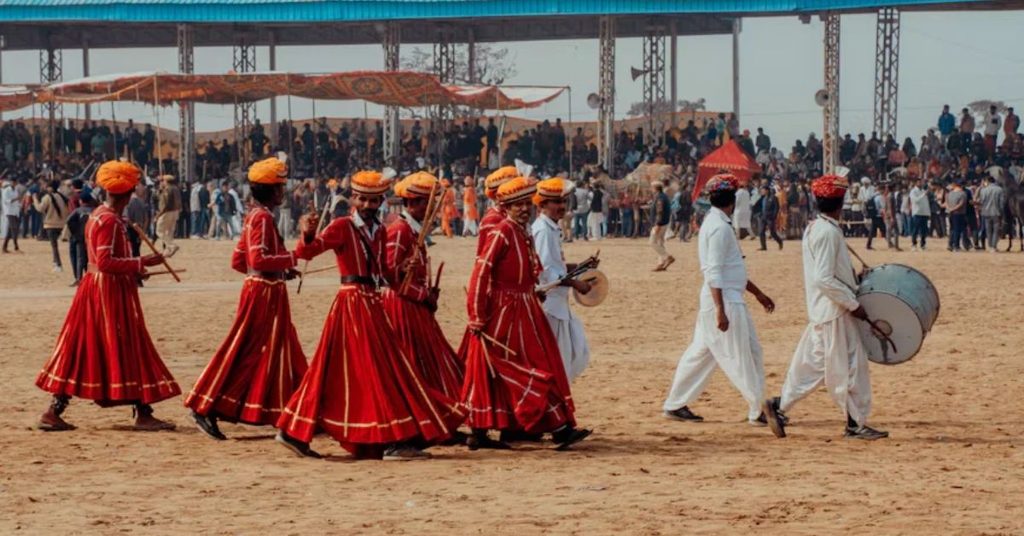
Best Time To Visit Pushkar
- October to March: This season offers comfortable weather with temperatures ranging between 10°C to 28°C, which is ideal for walking around the town, visiting temples, and exploring markets.
- April to June: Extremely hot summers with temperatures rising up to 40°C–42°C; so plan sightseeing around early mornings and late evenings.
- July to September: Monsoon season with temperatures ranging from 23°C to 34°C, bringing relief from the heat and generally fewer visitors.
How To Reach Pushkar
The nearest major railway gateway is Ajmer Junction which is about 15 km away. From Ajmer, you can reach Pushkar via local bus, taxi, or auto-rickshaw. If you prefer to book flight tickets, then the nearest domestic airport is Kishangarh Airport (Ajmer) is around 45 km away; it takes approximately 1 hour by road.
Travel Tip: Pushkar’s ghats are sacred spaces, so dress respectfully, follow local customs, and ask permission before taking photographs near religious rituals.
6. Rishikesh, Uttarakhand: For Adventure, Yoga, And The Ganga
If you want your journey to combine outdoor activities, spirituality, and vibrant café life, a Rishikesh solo travel guide usually points straight to this town along the Ganga. It sits as a key gateway for any Uttarakhand trek backpacking route.
Known globally for yoga, meditation, ashrams, and white-water rafting, Rishikesh offers plenty of ways to fill your days without relying on expensive sight-seeing. Uttarakhand Tourism also highlights its association with the Beatles, who visited the Maharishi Mahesh Yogi ashram in 1968.
You can divide your time between Triveni Ghat, ashrams around Swargashram, the Beatles Ashram, local cafes, and adventure sports.
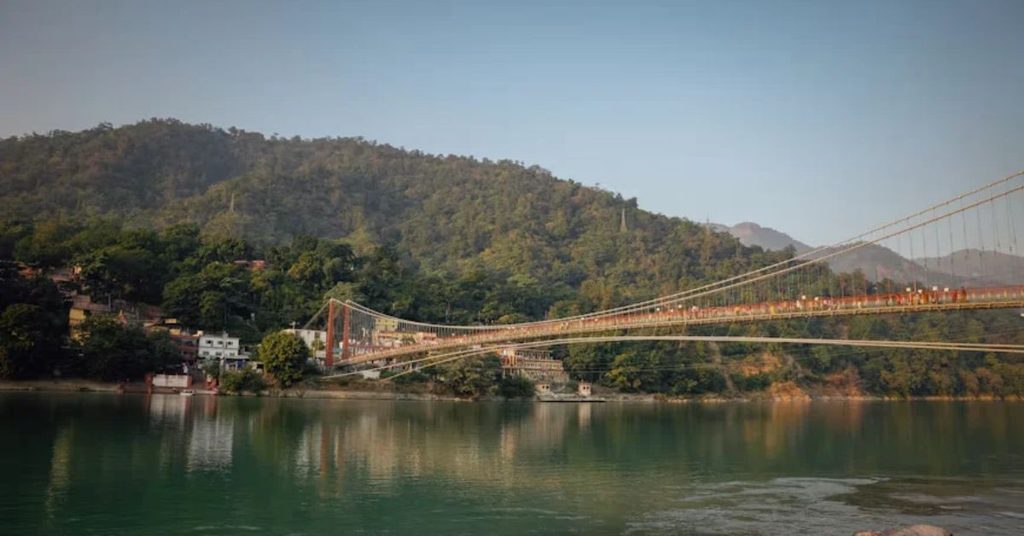
Did You Know? The former Maharishi Mahesh Yogi ashram, where the Beatles stayed in 1968 to study transcendental meditation, is now popularly open to visitors as the Beatles Ashram.
Special Event In Rishikesh
The International Yoga Festival is an annual event held in Rishikesh that attracts practitioners from around the globe.
Best Time To Visit Rishikesh
- October to March: During this time, the temperature ranges between 8°C to 25°C, that offers pleasant weather for sightseeing, walking, and outdoor sports.
- March to May: Warmer spring and early summer conditions with temperatures ranging from 15°C to 38°C, making it peak season for river rafting depending on water levels.
- Monsoon: Humid weather with temperatures around 24°C to 35°C, you can face heavy rainfall that can disrupt river activities and rafting.
How To Reach Rishikesh
Jolly Grant Airport in Dehradun is the nearest airport (~21 km away). Rishikesh also has its own railway station and strong bus connections with Delhi and Haridwar.
7. Gokarna, Karnataka: For Beaches And Coastal Trails
If you want a beach destination with a relaxed atmosphere, Gokarna backpacking travel fits naturally into any coastal itinerary.
Located on Karnataka’s Konkan coast, Gokarna combines temple heritage with beaches such as Om Beach, Kudle Beach, Half Moon Beach, and Paradise Beach. Karnataka Tourism highlights the town as a destination where temples (Mahabaleshwar Temple), coastal trekking, and laid-back travel meet.
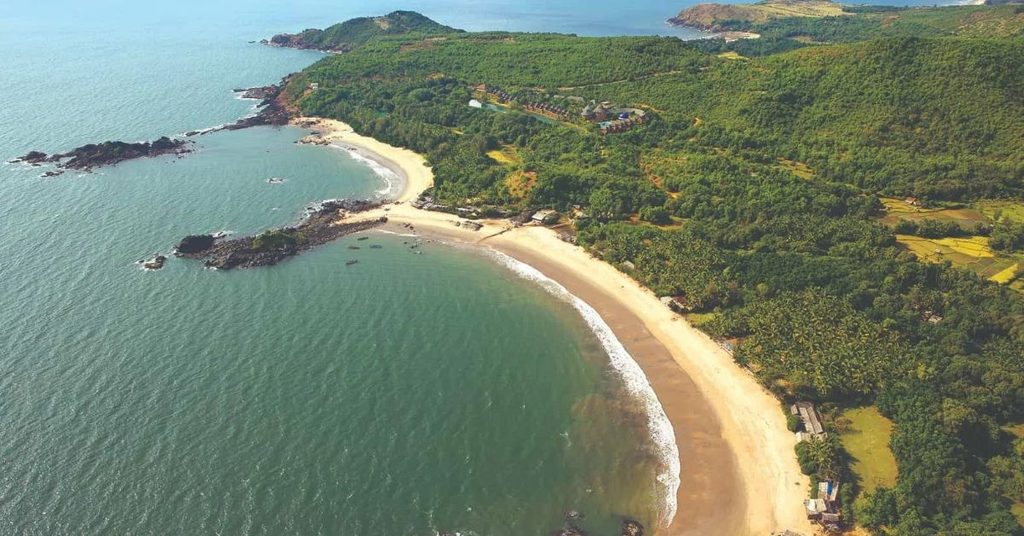
You can spend mornings hiking between beaches along cliff paths, explore local temples in the afternoon, and watch sunsets from the shore.
Did You Know? Om Beach gets its name from its natural shape, which resembles the sacred Hindu symbol “Om”.
Best Time To Visit Gokarna
- October to March:Pleasant and warm coastal weather with temperatures ranging from 20°C to 32°C—ideal for trekking between beaches, visiting ancient temples, and staying at cheap backpacker hostels.
- June to September: During this time, you can feel high humidity in Gokarna with temperatures between 23°C and 30°C; heavy rains bring rough sea conditions, strong currents, and restricted beach access.
How To Reach Gokarna
Gokarna Road Railway Station is about 10 km from town. Ankola and Kumta are alternative railway stops, while Goa’s airports offer nearby flight options.
8. Jaisalmer, Rajasthan: For Forts, Desert, And Local Culture
For a trip that feels like entering a completely different world, head west towards the Thar Desert. Jaisalmer offers a historic experience that fits easily into a group backpacking trips for solo travelers plan or an independent budget run.
Known as the Golden City, its defining landmark is Jaisalmer Fort—a living fort that houses homes, shops, hotels, and historic havelis. Rajasthan Tourism highlights this unique residential character.
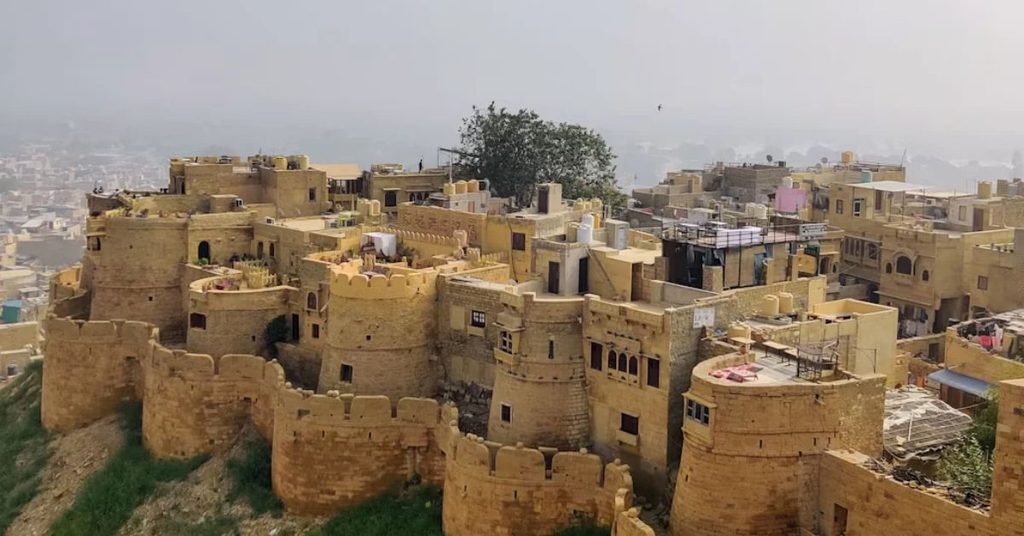
You can explore the fort’s narrow lanes during the day, visit Patwon Ki Haveli, and head into the desert for a sunset camel ride or starlit camp.
Did You Know? Jaisalmer’s Wood Fossil Park at Aakal, about 15 km away, contains fossilised remains dating back roughly 180 million years.
Best Time To Visit Jaisalmer
- October to March: During this time the temperature usually ranges between 7°C to 26°C—making it comfortable to explore the golden fort, wander through local havelis, and enjoy desert safaris.
- April to June: This time offers scorching desert summer with daytime temperatures soaring up to 40°C–45°C, making daytime outdoor walking difficult and inadvisable during peak afternoon hours.
How To Reach Jaisalmer
Jaisalmer has its own civil airport; around 17 km away, which provides direct and connecting flights that link Jaisalmer to major hubs like Delhi, Jaipur, Mumbai, and Ahmedabad, during peak tourist season (October to March). You can also get direct train connections from Delhi and major cities in Rajasthan.
Travel Tip: Confirm what is included in desert safari packages before booking—transfers, meals, camel rides, and cultural shows are sometimes priced separately.
9. McLeod Ganj, Himachal Pradesh: For Tibetan Culture And Himalayan Treks
For a trip that combines mountain views, Tibetan heritage, vibrant café life, and accessible trekking, Himachal backpacking destinations like McLeod Ganj are hard to beat.
Located near Dharamshala, McLeod Ganj is home to the Tsuglagkhang Complex, Namgyal Monastery, and the Tibetan Institute of Performing Arts. Himachal Pradesh Tourism refers to the area as “Little Lhasa” due to its strong cultural roots.
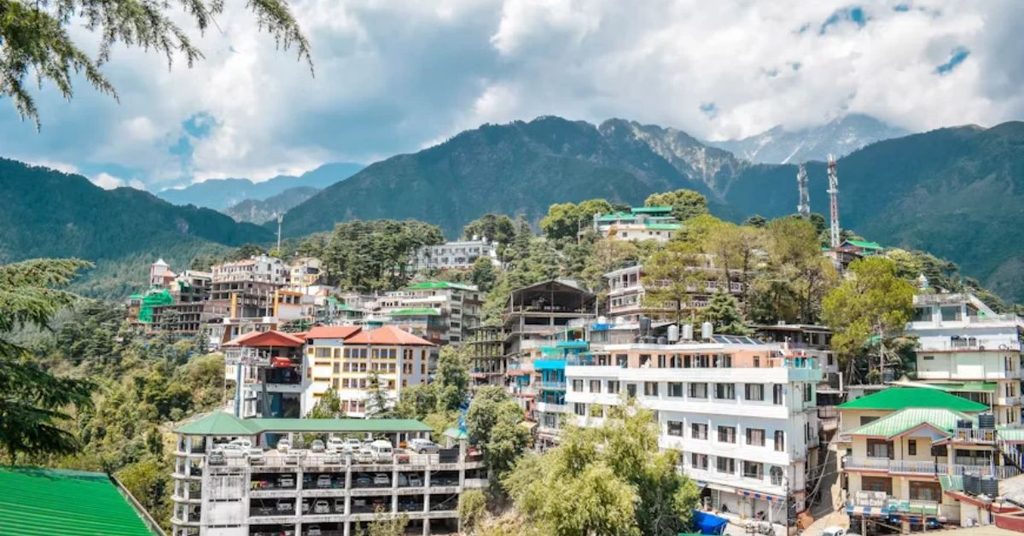
You can spend your days visiting monasteries, trying local food, and taking on classic day hikes like the Triund Trek.
Did You Know? The Tibetan community settled in McLeod Ganj following the 1959 Tibetan uprising, when the Dalai Lama established his residence there.
Best Time To Visit McLeod Ganj
- March to June: This season offers comfortable weather with temperatures ranging from 15°C to 28°C, which is ideal for sightseeing, visiting monasteries, and outdoor activities like the Triund trek.
- October to February: Chilly winter conditions with temperatures dropping between 0°C and 15°C, sub-zero night temperatures at higher reaches, and a strong possibility of winter snow.
- July to September: Mild and humid monsoon climate with temperatures around 18°C to 26°C. Heavy rainfall brings lush greenery, but trails can become muddy and slippery.
How To Reach McLeod Ganj
Kangra Airport at Gaggal is about 14 km away. Pathankot is the nearest broad-gauge railway station, connected to Dharamshala by road.
10. Ziro Valley, Arunachal Pradesh: For Offbeat Nature And Apatani Culture
If you want to step away from main travel corridors, Ziro Valley offers a quieter trip centered around green landscapes, terraced fields, and indigenous traditions.
Located at an altitude of around 1,500 metres, Ziro is home to the Apatani community, known for their unique agricultural practices and cultural heritage. Arunachal Tourism highlights its sustainable paddy-cum-pisciculture farming methods.
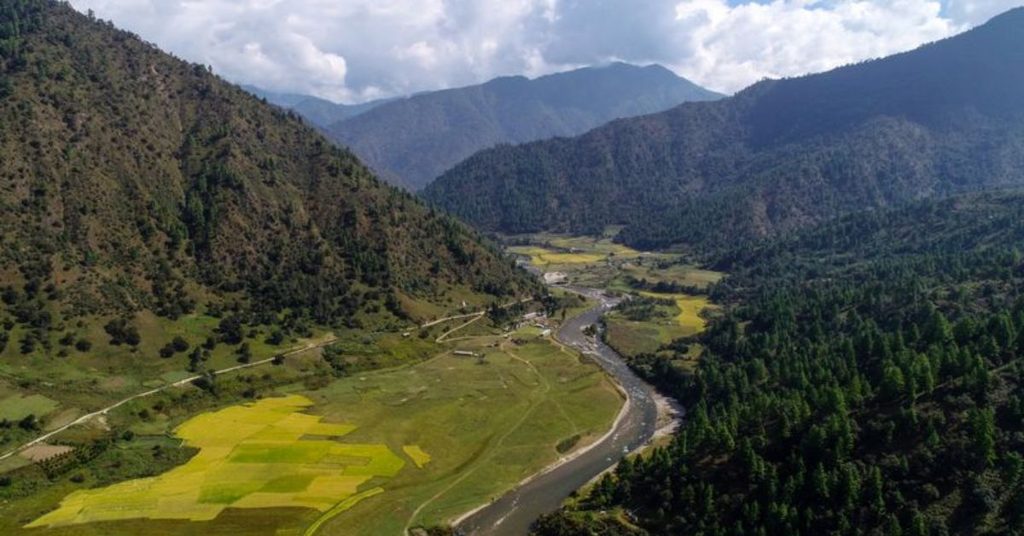
You can walk through traditional villages, explore pine forests, and experience an authentic offbeat culture.
Did You Know? The Apatani land-use system integrates rice cultivation with fish farming in the same flooded fields, creating an eco-friendly agricultural model.
Special Event In Ziro
The Ziro Festival of Music is an outdoor music event held every September that brings together independent artists, cultural walks, and outdoor camping under the stars.
Best Time To Visit Ziro Valley
- March to May: During this time, the temperature ranges between 10°C to 22°C, that offers a cool, refreshing mountain breeze; the valley awakens with fresh greenery, blooming flowers, and comfortable daytime exploration across the Apatani villages.
- September to November): You can feel crisp, refreshing autumn days averaging 8°C to 20°C—bringing crystal-clear skies, golden-hued paddy fields right before harvest, and the vibrant outdoor energy of the popular Ziro Festival of Music.
How To Reach Ziro
Lilabari Airport and Hollongi Airport are the nearest air hubs, while Naharlagun serves as the major railway station. From there, continue by shared taxi or bus.
Final Thoughts
Backpacking across India isn’t about following a rigid template.
You might wake up to mountain views in Spiti, discover live music in Shillong, cycle past historic ruins in Hampi, look out over the Arabian Sea from a cliff in Varkala, walk around the ghats of Pushkar, practice yoga beside the Ganga in Rishikesh, follow coastal trails in Gokarna, explore a living fort in Jaisalmer, or wander through the green rice fields of Ziro Valley.
Focus less on ticking off endless sights and more on enjoying where you are. Carry what you need, keep your plans flexible, and take the time to connect with the places and people you meet along the way. That is where the real experience of backpacking begins.
☛ Also Read:
- Chandramouleshwara Temple, Forgotten Glory of 900-year Chalukyan Era in Hubli, Karnataka
- 9 Eco-Tourism Places in South India to Explore Where Nature Whispers Back
- Discovering Chanakya’s Arthashastra In The Oriental Research Institute, Mysore
- Nrupatunga Betta In Hubli, The Best Viewpoint That You Can’t Miss
- Mysore Palace, A Living Jewel Of Karnataka’s Royal Heritage
Frequently Asked Questions About Backpacking Destinations In India
1. Which are the best budget-friendly backpacking destinations in India?
Popular budget destinations include Spiti Valley, Shillong, Hampi, Varkala, Pushkar, Rishikesh, Gokarna, Jaisalmer, McLeod Ganj, and Ziro Valley. Actual costs depend on your accommodation, transport choices, and activities.
2. What is the best month for a backpacking trip in India?
For most low-altitude, coastal, or desert regions, October to March offers pleasant weather. For high-altitude Himalayan routes like Spiti Valley, May to September is the primary travel window.
3. Is safe solo backpacking for women in India common in these places?
Yes, destinations with established traveler infrastructure—such as Rishikesh, Hampi, Varkala, Gokarna, Pushkar, and McLeod Ganj—are popular choices for solo travelers. Standard travel precautions regarding transport, accommodation, and night travel always apply.
4. Can I go backpacking in India with my laptop?
Yes. Many hostels along popular backpacker routes cater specifically to remote workers, offering high-speed Wi-Fi, power backup, dedicated workspaces, and comfortable common areas.
5. How can I plan a 2-week india backpacking itinerary on a budget?
Pick a focused regional circuit rather than trying to cross the whole country. For example, combine Hampi and Gokarna in the south, or pair Rishikesh with McLeod Ganj in the north, using sleeper trains or buses between stops.
6. What should be on my backpacking gear checklist for India?
Pack light layerable clothing, modest attire for religious sites, comfortable walking shoes, a basic first-aid kit, a reusable water bottle, a reliable power bank, sun protection, and a lightweight rain shell or jacket depending on the season.



Pingback: Mysore Palace History, Guide, Attractions, Timings, Entry Fee
Pingback: Siddharoodha Math Hubli, History, Timings, Meals & Festivals